Best 1930s Fabrics for Quilting: Vintage Reproduction Prints and Classics
Finding authentic vibes for 1930s-inspired quilts means focusing on fabrics that echo feed sacks, small-scale florals, and Depression-era color palettes. This guide highlights five Amazon offerings that align with 1930s aesthetics—featuring cotton fat quarters, vintage florals, and William Morris-inspired patterns. Each entry includes a quick look at the fabric type, color range, and quilting suitability to help you compare at a glance.
| Product | Brand | Key Features |
|---|---|---|
| Field’s Fabrics 10 Fat Quarters – 1930’s to 1950’s Reproduction Depression Era Feed Sack Small Scale Floral | Field’s Fabrics | Assorted small-scale floral prints; high-quality cotton fat quarters; reproductions from Depression-era era. |
| Fields 10 Fat Quarters – 1930’s to 1950’s Reproduction Depression Era Feed Sack | Fields | Assorted prints; vibrant color range; cotton fat quarters; classic reproduction designs. |
| 10 Fat Quarters – American Civil War (Neutrals, Creams, Light Colors ONLY) | Generic | Neutral neutrals and creams; 100% cotton fat quarters; period-appropriate palette for subtle quilts. |
| Hahafelt 10 Pcs 20”x20” William Morris Flowers Quilting Fabric Bundles | Hahafelt | William Morris floral themes; 20″ x 20″ precuts; cotton-poly blend; vibrant vintage-inspired prints. |
| Egg Money Quilts: 1930’s Vintage Samplers | Quilt In A Day | Recipe and sampler patterns from the 1930s; quilt-focused reference book for vintage-style projects. |
Field’s Fabrics 10 Fat Quarters — 1930s to 1950s Reproduction

These fat quarters aim to capture Depression-era aesthetics with small-scale floral patterns and feed-sack-inspired designs. The fabrics are described as high-quality cotton, ideal for quilting projects that require a vintage look. Design variations are expected, as listings note that prints may vary while maintaining the overall era-specific vibe. This option offers a broad mix of prints suitable for scrappy quilts or coordinated blocks.
Key considerations for this product include fabric consistency across lots, colorfastness after washing, and how closely the prints align with your 1930s color palette. For quilt blocks that emphasize nostalgia and period look, these fat quarters provide versatility in combining multiple prints within a single project.
Why choose this for 1930s quilts
The collection emphasizes reproduction-era motifs and a compact print scale that pairs well with classic 1930s quilt patterns like Nine-Patch and Hourglass variants. If you want a ready-to-sew starter pack with mix-and-match potential, this is a solid option.
Fields 10 Fat Quarters — 1930s to 1950s Reproduction

A second Fields listing emphasizes the same era-focused aesthetic with a “beautiful selection of colors & patterns” and high-quality cotton fat quarters. The product notes reiterate that prints may vary, making it suitable for quilters who enjoy a curated mix that still remains within a Depression-era feel. This option is ideal for scrappy projects or coordinated blocks in a vintage palette.
Considerations include how the color tones will read on fabric in daylight, the degree of contrast among prints, and compatibility with modern sewing equipment. For collectors of 1930s patterns, variations can add authenticity to a quilt’s overall character.
Practical tips
Order enough to cover your planned layout, and consider testing a sample block to confirm scale and color balance before committing to a full project.
10 Fat Quarters — American Civil War Neutrals

This collection centers on neutral neutrals and light colors, matching a more understated 1930s-leaning palette. The fabrics are described as high-quality 100% cotton fat quarters and are presented as a reliable option for quilting projects that require soft tones and a subtle vintage mood. It’s suitable for backgrounds, sashing, or light-filled blocks in a reproduction-era quilt.
When selecting neutrals, consider the overall warmth of the fabrics and how the creams will interact with more colorful prints in your project. Consistency in wash-and-wear performance is also a factor for larger quilts meant to endure years of use and display.
Project ideas
Use these neutrals as the backbone in a 1930s-style quilt, pairing them with small floral prints to achieve a classic feed-sack look reminiscent of mid-century sewing baskets.
Hahafelt 10 Pcs 20”x20” William Morris Flowers Bundles
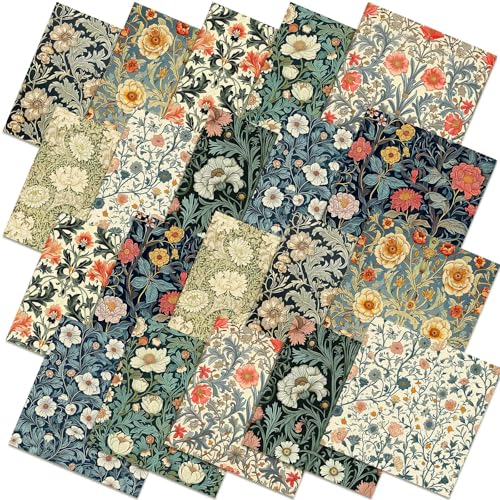
This collection features William Morris-inspired florals in 20″ x 20″ precuts, offered as a cotton-poly blend. The prints are described as vintage floral patterns with multiple color options in each bundle. The format supports quick patchwork assembly and allows for a varied, old-fashioned look in shared blocks or larger yardage substitutions.
Strengths include ease of handling for precuts, durable blend composition, and the ability to mix with pure cotton fabrics in lighter-weight projects. Consider machine washing performance and potential color transfer when mixing with other fabrics in a project.
Quilting applications
Ideal for sampler blocks, borders, and accents in vintage-inspired quilts that echo 1930s to Morris-era design language. Use sparingly to avoid overwhelming a single block with too many competing prints.
JarThenaAMCS 12Pcs Retro Floral Bundles — William Morris

This set includes 12 cotton fabric bundles with diverse William Morris-inspired floral designs. The prints lean vintage and are described as suitable for patchwork and quilting. The bundles come in various designs and a generous quantity, making them a practical option for period-accurate quilts that emphasize continuous floral motifs across blocks.
Key considerations include color harmony across designs, fade resistance after multiple washes, and how well these florals pair with solids or smaller-scale prints in a 1930s theme. Woody, botanical, and leaf motifs align well with historical quilt patterns.
Styling guidelines
Pair Morris florals with solid primitives or small-scale prints to emulate classic reproduction quilts. Plan for a balanced distribution of light and medium tones to avoid overpowering the overall design.
Egg Money Quilts: 1930’s Vintage Samplers

This is a reference book focused on 1930s-era sampler quilts, offering project guidance, patterns, and historical context. It appeals to quilters seeking authentic design provenance and practical steps for replicating traditional 1930s sampler motifs. While not a fabric bundle, it complements fabric selections with technique-focused guidance and pattern inspiration.
Consider how to translate the sampler patterns into your fabric choices. The book’s era-specific instructions can help you select fabrics that align with the authentic palette and block layouts used during the period, enhancing the vintage look even when combining newer fabrics with older techniques.
Buying Guide: Key Purchase Considerations And Comparisons
When shopping for 1930s fabrics for quilting, consider the following factors to ensure your selections meet your project goals:
- Print scale and era authenticity: Small-scale florals and feed-sack-like patterns better reproduce 1930s aesthetics; larger motifs can shift the look toward later decades.
- Fabric type and composition: 100% cotton is ideal for quilting; blends may alter feel and wash performance. Check colorfastness and shrinkage notes.
- Color palette: Neutrals, creams, and soft pastels were common. Pair prints with compatible solids to achieve period-appropriate contrast.
- Cut and quantity: Fat quarters are convenient for scrappy blocks; precuts simplify assembly but verify consistent sizing across lots.
- Variation vs. consistency: Some listings mention design variation. Decide if you prefer a curated set or a broad mix for scrappy quilts.
- Pattern compatibility: Books and patterns from the 1930s can guide block choices, ensuring your fabric selections read as period-true.
- Care and durability: Fabrics designed for quilting should withstand multiple washes; review washing recommendations and color retention.
- Project scope: For large quilts, plan the color distribution and print balance to avoid visual clutter or under-contrast.
By evaluating these factors, you can tailor your fabric mix to achieve an authentic 1930s quilt look—whether you prefer a unified print family or a lively, mismatched, feed-sack-inspired palette.
Leave a Reply