Best 3 Closed Cell Foam Solutions for Cushions, Soundproofing, and DIY Projects
Finding the right closed cell foam for cushions, insulation, or craft projects can be challenging. This guide highlights five top options suitable for a variety of applications—from upholstery to sound dampening and cosplay. Each product below includes core features, dimensions, and typical uses to help you compare quickly. A concise buying guide follows to aid decision-making across different needs and environments.
| Product | Brand | Primary Use | Thickness / Size |
|---|---|---|---|
| GoTo Foam 3″ x 24″ x 72″ Sheet | GoTo Foam | Seat cushions, padding, protection | 3″ x 24″ x 72″ |
| Premium EVA Foam Sheet, 3mm | MEARCOOH | Cosplay, crafts, DIY props | 3mm thick; 59″ x 13.9″ |
| Artilife Closed Cell Foam Roll | Artilife | Sound insulation, padding, sealing | 1/8″ x 17″ x 80″ |
| Case Club Customizable Closed Cell Foam | Case Club | Pistol case inserts, protective padding | 18″ x 16″ x 2.125″ |
| FOAMZZ High-Density Foam Panels | FOAMZZ | Pads, insulation, crafts | 12″ x 12″ x 1″ (2 Pack) |
Overview: Each option below demonstrates the versatility of closed cell foams across different thicknesses, densities, and formats. The selections emphasize durability, ease of cutting, and applicability to both home and workshop projects. Whether you’re upholstering furniture, building cosplay armor, or reducing road noise in a vehicle, these foams offer reliable performance with straightforward handling.
GoTo Foam 3″ Cushion-Grade Sheet
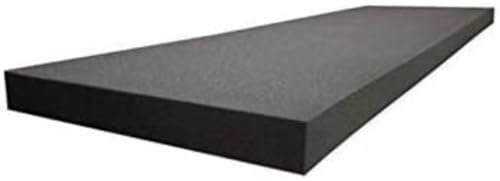
The GoTo Foam sheet is a 1.8 density, 44 ILD open-cell polyurethane product marketed for cushion replacement, DIY projects, and basic soundproofing needs. It offers a balance of support and pliability, suitable for seat cushions and bench padding. The surface is tailored for easy cutting with common tools, enabling clean, professional-looking upholstery results. It’s designed to resist staining and impacts, contributing to longer-lasting installations in both home and workshop environments. Ideal for projects requiring firm, supportive foam that still accommodates shaping and trimming.
Key characteristics include: 1.8 density for steady support, stain and impact resistance for longevity, and ease of shaping with knives or blades. While the foam is robust enough for everyday seating, the open-cell nature may influence compression over long-term heavy use; consider denser alternatives for high-traffic seating. Applications range from couch upholstery to cosplay armor builds, where clean cuts and reliable performance matter.
Premium EVA Foam Sheet, 3mm Thick

MEARCOOH offers a large 59″ by 13.9″ EVA foam sheet with a 3mm thickness, optimized for cosplay, crafts, and cosplay props. EVA closed-cell foam is lightweight, easy to cut, and maintains shape well, making it a popular choice for detailed armor and prop builds. The foam’s density supports clean edges after trimming and allows for durable paint adhesion. It suits hobbyists and makers who value flexibility, a light footprint, and straightforward customization for complex shapes.
Highlights include: excellent cutability, good shape retention, and suitability for spray painting and finishing. It’s not designed for heavy load-bearing seating; instead, it excels in decorative or accessory components such as helmets, shields, or display pieces. This foam balances flexibility with resilience, enabling intricate designs with consistent results.
Artilife Closed Cell Foam Roll

The Artilife foam roll is a versatile 1/8 inch thick sheet, 17 inches wide and 80 inches long. It’s designed for sound insulation, padding, and sealing, with EPDM material indicated for durability and heat tolerance. The foam performs well as an internal cushion for automotive and home applications, helping dampen vibrations and reduce noise. Its easy-to-cut profile supports custom layouts for panels, gaskets, and packaging inserts, while maintaining a stable form after shaping.
Important considerations include: thin profile for subtle underlayment or edge padding, good sealing characteristics, and reliable sound dampening. While light and manageable, the 1/8 inch thickness may require layering for high-impact protection or structural padding. It’s best suited for interior damping, weather sealing, and lightweight insulation projects rather than heavy-duty structural cushions.
Case Club Customizable Closed Cell Foam
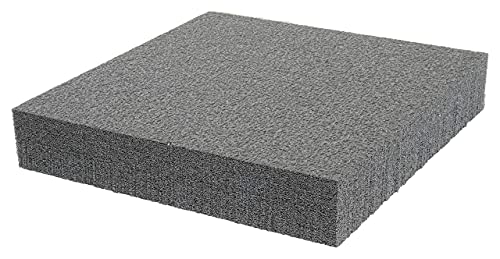
Case Club’s adjustable closed cell polyethylene foam provides a rugged option for protective inserts, especially pistol cases and other hobby or professional storage. The foam is charcoal-colored, high-density (2.2#), and designed to be easily cut with common tools. The two-inch-plus thickness offers a sturdy cushion that resists compression, with a cutting-friendly surface to tailor to specific items. It supports durable, secure organization for sensitive equipment, replacement inserts, or modular case setups.
Considerations include compatibility with various case brands (Pelican, SKB, Plano, Flambeau) and the variability in actual thickness. It’s well-suited for precision fits and long-lasting protection, but users should verify exact cut patterns before fabrication to ensure a precise match for their gear.
FOAMZZ High-Density Foam Panels

FOAMZZ panels are closed-cell, high-density foam pads marketed as versatile bumpers, craft materials, and noise-reducing insulation. The pair of 12″ x 12″ x 1″ panels are designed to be cut into custom shapes, yielding adaptable cushions, feet, or insulating pads. The foam is described as a neoprene blend that retains shape while offering cushioning, making it suitable for arts, crafts, furniture feet, and sound dampening projects. The closed-cell structure helps resist moisture and maintains integrity under frequent handling.
Practical notes include the balance of rigidity and pliability for pre-cut shapes, and the potential that some users may require larger sheets for full-area padding. It’s a practical choice for prototyping, bumpers, and replacement padding where uniform thickness is beneficial.
Buying Guide: Key Purchase Considerations
Durability and density: Density affects support and long-term compression resistance. If cushions will bear weight or see frequent use, select higher density foams (e.g., around 1.8–2.2) to maintain support without excessive softening. For cosplay props or crafts, lighter EVA foam is easier to shape and carve but may require multiple layers for strength.
Material type and structure: Closed-cell foams resist moisture and compress less under load, which is ideal for weather sealing, padding, and protective inserts. Open-cell foams can provide more bounce and cutability but absorb moisture more readily, which may be undesirable for certain applications.
Dimensions and cut-ability: Consider sheet size, roll width, and thickness relative to your project. Thinner foams (1/8″ or 3mm) are better for underlays and lightweight padding, while thicker sheets (2″ or more) support seating and heavy-duty inserts. Look for foams that are easy to cut with common tools for precise fits.
Adhesion and finishing: Some products come with peel-and-stick backing or are designed to accept paint, sealants, or coatings. If you need a clean finish or a paint-ready surface, choose foam types that accept finishing materials well and won’t crumble with prep work.
Cost and availability: Availability and price per sheet or roll can vary. For large upholstery jobs, buying in larger sheets or multi-packs may reduce costs. For hobby projects, smaller sheets and kits can be more economical and flexible for experimentation.
Application-specific considerations: If the foam will be used in vehicles, consider heat tolerance and adhesive compatibility. For sound insulation, density and layering options influence performance. For protective cases or equipment inserts, precise dimensions and cut patterns matter to secure items safely.
Safety and handling: When cutting foam, use sharp blades and work on a stable surface to avoid ragged edges. Some EVA foams may emit a slight odor during cutting; ensure proper ventilation and allow cured surfaces to air out before finishing. Always follow manufacturer guidelines for tool compatibility and safety practices.
In summary, the selected products provide a spectrum of closed-cell foam options suitable for cushioning, soundproofing, cosplay, and protective inserts. By evaluating density, thickness, and cut-ability, you can choose the right foam for your project’s durability, flexibility, and finish.
Leave a Reply