Best Acid Dyes for Spandex: Vibrant Protein Fiber Color Options
Exploring acid dyes for spandex involves understanding how colors bond with protein fibers and compatible synthetics. While spandex itself is a synthetic elastane, many acid dye products are designed for protein fibers like silk, wool, and nylon blends, which can include spandex-containing fabrics in mixed fibers. This guide highlights top Jacquard acid dyes and related sets that deliver vivid, colorfast results on compatible materials, with practical dyeing methods and safety tips for enthusiasts and hobbyists alike.
A quick summary of select products below helps you compare options at a glance. The table lists the product name, brand, and a core benefit to consider when choosing a dye for mixed-fiber projects.
| Product | Brand | Key Benefit |
|---|---|---|
| Jacquard Acid Dye – Jet Black – 8 Oz | Jacquard | High color concentration for deep, fast black on protein fibers |
| Jacquard Acid Dye, 1/2 oz., Ecru | Jacquard | Subtle neutral shade with reliable colorfastness |
| Jacquard Acid Dye 1/2oz Jar Navy Blue | Jacquard | Bright, versatile navy for rich color results |
| Jacquard Acid Dye 1/2oz Jar Russet | Jacquard | Warm, earthy tone with strong color payoff |
| Jacquard Acid Dye Starter Set | Jacquard | Beginner-friendly variety to mix and match hues |
Jacquard Acid Dye – Jet Black – 8 Oz Net Wt

Formulated for silk, wool, feathers, nylons, and other protein fibers, this acid dye delivers vibrant, long-lasting color. The dye is highly concentrated, enabling level, uniform color during immersion dyeing. It offers exceptional colorfastness, resisting bleeding and fading after washing. Suitable for projects where a deep black is desired on compatible fibers or blends that include protein components alongside spandex-containing fabrics.
Jacquard Acid Dye, 1/2 oz., Ecru

This colorfast acid dye offers extremely brilliant color with hot water dyeing. Ecru provides a neutral base ideal for customizing shades when layering dyes on protein fibers or blended fabrics that include spandex-containing textiles, allowing for subtle to rich variations depending on the dye bath concentration.
Jacquard Acid Dye 1/2oz Jar Navy Blue

Vibrant navy blue with a broad spectrum of color payoff, this dye is designed for protein fibers including wool, alpaca, silk, and feathers. It also pairs well with nylon-based materials, offering a strong, self-leveling result that helps achieve consistent coverage across uneven textures common in blended fabrics that may include spandex components.
Jacquard Acid Dye 1/2oz Jar Russet
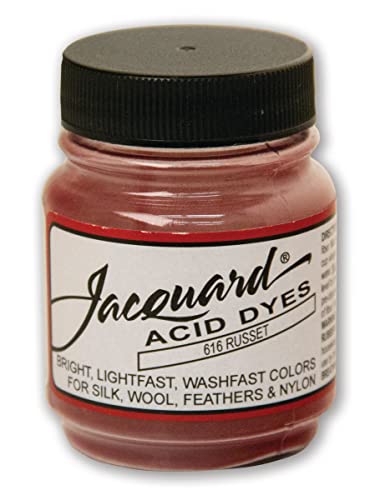
Russet delivers a warm, earthy shade with a strong color payoff suitable for natural protein fibers and blends. The dye is self-leveling, helping produce uniform color in immersion or direct application methods. Steam setting and careful bath preparation can enhance color depth on compatible fabrics that include spandex blends.
Jacquard Acid Dye Starter Set

The starter set includes four colors and citric acid, enabling quick experimentation and color matching. It’s convenient for beginners who want to explore dyeing on protein fibers and nylon blends. Citric acid helps fix dyes, improving outcome consistency across projects that mix spandex with natural fibers.
Jacquard Acid Dye for Wool, Silk and Other Protein Fibers, 1/2 Ounce Jar, Burgundy 610

This concentrated burgundy dye colors silk, wool, and other protein fibers brilliantly while maintaining colorfastness. It’s particularly effective for projects that involve deep reds and burgundy tones on natural fibers or blends that include spandex. Suitable for immersion, garment, or yarn dyeing with appropriate heat control.
Buying Guide: Key Purchase Considerations And Comparisons
When selecting acid dyes for spandex-containing projects, consider fiber composition, dye compatibility, and desired finish. Here are factors to weigh:
- Fiber compatibility: Acid dyes work best on protein fibers (silk, wool, alpaca, feathers) and can dye nylon blends. If your fabric contains spandex, test a small swatch to confirm colorfastness and color uptake before committing to a large project.
- Concentration and color payoff: Highly concentrated dyes yield deeper, faster colors but may require careful measurement and precise heat control. Start with small batches to dial in color strength.
- Fixatives and bath chemistry: Citric acid or vinegar-based fixes help set dyes on protein fibers. Follow product instructions for bath temperatures and dwell times to maximize evenness and colorfastness.
- Color range and versatility: Starter sets offer varied hues to practice color theory and layering. For professional results, pair neutral or primary colors with additional shades to create custom tones without oversaturating the fabric.
- Safety and handling: Use gloves, proper ventilation, and avoid splashing dye powders. Store dyes in labeled, sealed containers away from heat and moisture.
For mixed-fiber fabrics containing spandex, always perform a patch test before full-scale dyeing. Some spandex-containing blends may resist dye uptake or exhibit color bleeding if heat, pH, or dye concentration are not properly controlled.
Color dynamics with acid dyes can vary by brand and batch. The products highlighted here focus on protein-based fibers and nylon varieties, offering a spectrum from neutral to deep and vibrant tones. When dyeing spandex blends, transparency about fiber ratios and testing are essential to achieving reliable results that meet craft or production standards.
Leave a Reply