Best Bass Guitar String Sets for 4-String and 5-String Players
Finding the right bass guitar string set depends on playing style, genre, and instrument type. This guide highlights five top options for 4-string and 5-string players, with clear advantages for different needs. Best for established rock and metal players? Best for studio warmth and even intonation? Each entry explains who it’s best for and why it was selected, plus one practical caveat. The included table helps you compare core points at a glance.
| Product | String Type | Gauge Range | Best For |
|---|---|---|---|
| Ernie Ball Regular Slinky 50-105 | Nickel Wound | 50–105 | Classic rock, pop, versatile tone |
| Ernie Ball Super Slinky 45-100 | Nickel Wound | 45–100 | Bright, balanced tone for modern styles |
| CashBeat Stainless Steel 4-String | Stainless Steel | 1–2.5mm gauges | Durability and stainless tone |
| Ernie Ball 5-String Regular Slinky 45-130 | Nickel Wound | 45–130 | Extended range, rich bass and mid range |
| Piutouyar 4-String Stainless Steel | Stainless Steel | 1–2.5mm gauges | Budget-conscious replacement, corrosion resistance |
Ernie Ball Regular Slinky Nickel Wound Bass Strings (50-105)

Best for players seeking a balanced, versatile tone across genres. The Regular Slinky 50-105 gauge is among the most popular for four-string bass setups. These strings are favored by players in Tool, Rage Against the Machine, Green Day, and other big acts, delivering rich, balanced tone with reliable intonation. Caution: some players report a shorter initial break-in period before optimal tension stabilizes.
Ernie Ball Super Slinky Nickel Wound Bass Strings (45-100)

Better for players who want a slightly lighter, more articulate feel with a bright, balanced tone. The 45-100 gauge set is among the most popular four-string choices and is well-suited for genres demanding crisp highs and defined lows. Choose this if you prefer quick string response; avoid if you need extra tension for heavier pick attack.
CashBeat Stainless Steel 4-String Bass Strings

Best for durability and a bright stainless steel tone in a 4-string setup. The strings use advanced steel cores with nickel-plated winding for smooth playability and dynamic tone. Best for players who replace strings frequently or need a robust, long-lasting set. Caution: some players may find stainless steel a bit stiffer upfront than nickel winding.
Ernie Ball 5-String Regular Slinky Nickel Wound Bass Strings (45-130)
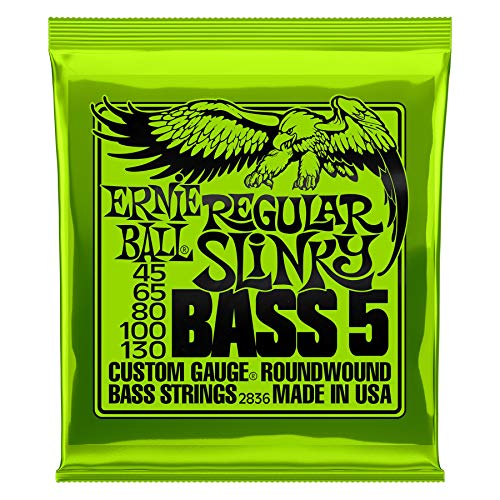
Best for extended-range players who want a rich, balanced tone across low B string to high C. The 45-130 gauge is the most popular 5-string set among many styles, delivering strong low end without sacrificing midrange clarity. Limitation: tension across the low B string can feel stiffer for new players or lighter-handed players.
Piutouyar 4 String Stainless Steel Bass Strings

Best for budget-conscious players who want corrosion resistance and a longer service life. The stainless steel construction with gauges of 1mm, 1.4mm, 2mm, and 2.5mm offers reliable playability and versatility for standard 4-string bass setups. Caution: sound and feel may vary by instrument build and nut slot sizes.
Buying Guide: Key Considerations When Choosing Bass Strings
String material affects tone, feel, and durability. Nickel-wound strings are common for all-around tone and longevity. Stainless steel offers brightness and durability, often with a stiffer feel. Gauges influence tension, tension influences sustain and playability. Four-string sets dominate for most players, while five-string sets add a low B string with deeper extended-range tone. Scale length, string wind, and core construction impact intonation and stability. Consider play style, genre, playing comfort, and how often you replace strings when selecting a set.
What tone do you want? Bright, balanced, or heavy?
Bright tones emphasize attack and clarity; balanced tones suit a wide range of styles; heavy tones emphasize low-end thump. String choice can help you lean toward your preferred spectrum.
What gauge is right for you?
Lighter gauges (45-100ish) are easier to press and play fast; heavier gauges (50-105 / 45-130) offer more tension and sustain, with tighter feel on bends. Consider your technique and preferred feel when selecting gauges.
How often should you replace strings?
Players who play aggressively or in live settings may replace strings weekly or biweekly, while casual players may go monthly. Durability is influenced by material; stainless steel strings tend to last longer in corrosive environments.
Should you match sets to your bass’s scale length?
Most 4-string sets are designed for common long-scale basses (34 inches). Ensure your set matches your bass’s scale length to preserve intonation and tension consistency.
What about extended-range needs?
5-string sets add a low B string for extended range. If you frequently play in lower tunings or on modern styles, consider a 5-string set with adequate tension across the low string.
Maintenance tips
Wipe strings after playing to reduce oils and sweat buildup. Keep the neck properly humidified in dry environments. Wipe down hardware to prevent corrosion, especially with stainless steel and nickel-plated windings.
FAQ
- Q: Are nickel-wound strings suitable for all bass styles? A: Yes, they are a versatile choice for many genres, offering balanced tone and playability.
- Q: Should I choose a lighter or heavier gauge for slapping and funk? A: Lighter gauges are easier for fast movements; heavier gauges yield more resistance and fuller tone for aggressive playing.
- Q: Do 5-string sets affect neck tension? A: Yes, 5-string sets add tension to the low string; ensure your neck and truss rod can accommodate the extra tension.
- Q: Is stainless steel better than nickel for longevity? A: Stainless steel tends to be more durable in corrosive environments, but feel and tone differ from nickel windings.
- Q: How do I know if a string set is right for my bass scale length? A: Check the product description for suitable scale length; most common sets fit 34-inch scales.
- Q: Can I mix string brands on the same bass? A: Mixing is not recommended because it can cause intonation and tension imbalances across the neck.
Leave a Reply