Best Came Bender for Stained Glass: Top Glass Came Tools for Precise Panels
Stained glass projects demand precise control over lead came to ensure durable, evenly spaced panels. The following five Glassco-backed tools and leads offer reliable tensioning, flexible shaping, and clean finishes for hobbyists and professional artists alike. Each option balances ease of use with strong performance, helping you achieve high-quality, professional results in every panel.
| Product | Brand | Key Benefit |
|---|---|---|
| Glassco Lead Came Stretcher | Glassco | Even tension, no distortion |
| 1/8″ Flat U Lead Came | Glassco | Flexible, easy shaping |
| 3/16″ Round U Lead Came | Glassco | Strong, malleable for smooth soldering |
| 5/64″ Round U Hobby Came | Glassco | Ideal for small projects and suncatchers |
| 3/16″ Round H Lead Came | Glassco | Consistent sizing for precise fits |
The following sections highlight each product’s core features, how they fit into a stained glass workflow, and what to consider when choosing the right lead came and vise setup for your studio.
Glassco Lead Came Stretcher For Stained Glass
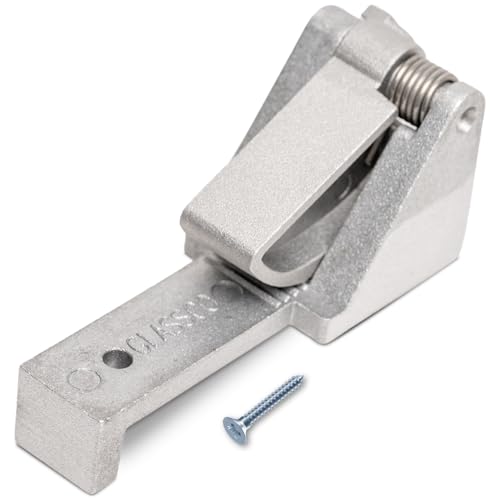
Designed to hold lead came firmly without slippage, this cast steel bench-mount tool provides stable, controlled tension across the entire length of the came. It’s built to prevent twisting and warping, ensuring straight, professional joins. The added weight and solid core offer dependable performance during high-tension stretches, making it suitable for larger or more intricate panels.
Key benefits include a smooth, distortion-free stretch, reinforced grip, and durable construction that can withstand regular use in a busy studio. It pairs well with pre-stretched lead came to reduce coil memory and improve alignment in complex designs.
1/8″ Flat U Lead Came For Stained Glass

This unstreached lead came is engineered for flexible shaping while maintaining durability. Its pliable profile enables easy bending, cutting, and precise alignment when used with a lead came stretcher. The surface finishes cleanly, resisting oxidation and reducing post-assembly cleanup, so soldering and final detailing proceed smoothly.
The product arrives pre-rolled in convenient 6-foot sections, simplifying handling and storage for hobbyists and artists who frequently switch between designs. Ideal for larger windows when paired with a reliable stretcher for consistent tension.
3/16″ Round U Lead Came For Stained Glass

This lead came features a flexible, strong profile designed for easy bending and shaping, with a smooth finish that minimizes residue and cleaning after soldering. It works well with a lead came stretcher to achieve precise, consistent tension along the length of the panel, helping maintain uniform gaps and alignment.
Pre-rolled 6-foot segments simplify storage and project setup. It’s well-suited for panels with moderate to complex geometries where precise line work and clean solder lines are important for overall aesthetics and durability.
Glassco 5/64″ Round U Hobby Came

Designed for small projects, this narrow-face lead came offers the right balance of strength and flexibility for suncatchers, night lights, and similar crafts. It provides essential structural support while enabling tight, refined curves and intricate details. For best results, use with a compatible press or vise to maintain precise corner joints.
Strength and stability are achieved without sacrificing maneuverability, making it a practical choice for beginners and seasoned builders tackling compact designs that demand crisp edges and clean solder lines.
3/16” Round H Lead Came For Stained Glass

This lead came features a round H profile with a 5/32 inch channel, designed for sturdy, professional-looking finished pieces. The two 6-foot pieces come pre-rolled and bagged for storage, reducing setup time and pre-work preparation. Consistent sizing across lengths ensures straightforward cutting and fitting, making it reliable for panels that require exact joints and neat solder lines.
Ideal for mid-sized to larger panels that benefit from a robust framework without adding excessive weight. The rounded profile also assists with smooth soldering along the edges while maintaining structural integrity.
Buying Guide: Lead Came And Came Stretcher Essentials
When selecting lead came and related tools, consider panel size, complexity, and the degree of precision required. The following considerations help compare options and plan a workflow that minimizes distortion and post-assembly work.
- Project scale and load: Larger panels benefit from heavier-duty vises and longer stretches to prevent creep and sag. Pair a robust stretcher with pre-stretched came for maximum stability.
- Profile choice: Flat U and Round U profiles serve different design aesthetics. Flat profiles offer easier bending for angular designs, while round profiles support smoother curves and gentle transitions.
- Material quality: Premium cast steel vises provide better weight, grip, and durability, reducing movement during tensioning. Look for solid cores and a finished surface for grip.
- Ease of assembly: Pre-rolled came saves time and reduces handling damage. Check packaging to ensure safe transport and minimal kinks or residues.
- Finish and maintenance: Surfaces that resist oxidation simplify cleanup after soldering. Clean, smooth came reduces soldering flaws and improves panel uniformity.
- Compatibility: Ensure the came size (width and channel) matches your project needs. Using incorrect sizes can lead to misalignment and extra cutting.
- Storage and handling: Keep rolled came in labeled, protected containers to prevent tangling and moisture exposure, which can affect solderability and longevity.
When integrating a came stretcher into a workflow, plan for precise tension control across the length of each segment. Pre-stretching can reduce coil memory and improve alignment in large or detailed panels. Compare products by grip quality, stability, and how well they maintain even pull during long stretches. Always verify that the chosen sizes and profiles suit your specific design requirements before cutting or soldering.
Leave a Reply