Best Cement for Model Cars: Top Glues for Polystyrene and Plastics
Choosing the right cement is crucial for building durable model cars. The best glues provide clean application, strong bonds, and compatibility with common plastics like polystyrene and ABS. This guide highlights five reliable options, covering fast-drying formulas, precision tips, and versatile bonding for scale models, dioramas, and miniatures. Each product below links to Amazon for quick access and includes key features you’ll want for precise assembly and long-lasting results.
| Product | Brand |
|---|---|
| Devcon 90225 Plastic and Model Cement | Devcon |
| Testors Cement Glue (2-Pack) with Pixiss Tools | GRAS Art Bundles |
| Meuvcol Super Glue for Plastic | Meuvcol |
| Testors Cement Glue for Models (Pixiss Kit) | GRAS Art Bundles |
| SWIFFAR Plastic Glue for Models | SWIFFAR |
Devcon 90225 Plastic and Model Cement — 0.5 oz.

Devcon 90225 is a clear-drying cement designed for polystyrene plastic models and toys. Its handling time is about 10 minutes, with a set time near 2 hours and full cure around 24 hours. This formula suits precise model assembly where a clean bond is essential for visible seams. It’s particularly valued for minimal visibility once cured, making it a staple for scale modelers who prioritize neat joints and durability in lightweight builds.
Testors Cement Glue and Craft Kit with Tools

This package includes a 2-pack of Testors Cement Glue for plastic models, plus a set of six ultra-fine brushes, and a crafting knife with extra blades and tips. The cement glue is suitable for precise bonding of polystyrene and ABS plastics, with a quick-drying profile that helps maintain alignment during assembly. The included tools support fine detailing and careful edge joining, making it a practical starter kit for hobbyists building small-scale car kits and dioramas.
Meuvcol Super Glue for Plastic — 100g

Meuvcol offers a heavy-duty plastic glue designed to bond a broad range of plastics, including PLA, ABS, PVC, acrylic, and 3D-printed parts. The formula emphasizes fast bonding and high durability for model kits, miniatures, and even everyday repairs. It’s particularly useful for quick fixes on detailed parts where a rapid cure helps keep small components in alignment during assembly, reducing the risk of warping or misfit joints in tight spaces.
Testors Cement Glue for Models (Pixiss Kit)

This Testors kit focuses on cement-based adhesion for plastic model kits, with a quick-drying formula designed for polystyrene and ABS plastics used in vehicles and mechs. The package includes two small tubes with tips aimed at precision and edge joining, helping modelers assemble intricate components like chassis, panels, and small decorative elements without excessive glue squeeze. It’s a solid option for hobbyists seeking reliable performance without complicated application steps.
SWIFFAR Plastic Glue For Models — Clear Bond
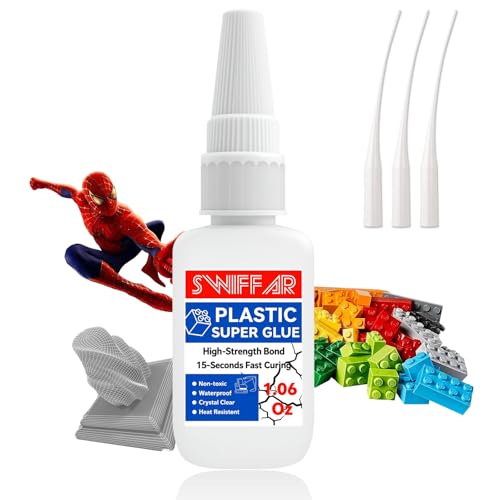
SWIFFAR’s plastic glue is designed for a crystal-clear bond across a variety of plastics, including LEGO bricks, 3D prints, PLA, acrylic,Citadel material, and metal components. The formula emphasizes high adhesion strength, water resistance, and heat resistance for long-lasting joints on car models and diorama figures. It is marketed as a versatile, all-plastic solution, suitable for both repairs and new builds where a clean, discreet bond is important.
Buying Guide
Key purchase considerations help you select the best cement for model cars based on your project needs:
- Material compatibility: Most model kits use polystyrene or ABS plastics. Choose cements formulated for these plastics to avoid softening or weak joints.
- Drying and cure times: Quick-dry formulas speed up assembly, but you may prefer slower sets for larger parts to adjust alignment. Consider the project’s complexity and working time.
- Bond strength and durability: For display models, a strong, clear bond resists handling and environmental exposure. For interior detailing, a precise applicator helps place small parts accurately.
- Application control: Nozzles, precision tips, and brush sets influence how cleanly you apply cement, reducing excess glue and visible seams.
- Cleanup and safety: Some cements require solvents; follow ventilation and safety guidance. Clear-drying formulas tend to be less noticeable on seams.
- Versatility: A multi-plastic adhesive can cover different kit themes, including dioramas, 3D prints, and custom builds, offering better value for hobbyists.
- Brand ecosystem: Some brands provide complementary tools (brushes, knives, cutters) that streamline assembly and enhance results.
For a balanced approach, hobbyists often pair a fast-setting cement for main joints with a precision applicator or extra tools to handle small parts and detail work. Reading product reviews and checking compatibility with your specific kit materials helps ensure a clean, durable finish. Always test on a scrap piece if possible to gauge drying time and bond quality before committing to your final model car build.
Leave a Reply