Best Ceramic Glaze Spray Booth Essentials for Pottery Artists
Exploring a reliable ceramic glaze spray setup involves choosing sprayers and accessories that deliver consistent atomization, minimize waste, and protect your workspace. The following selections are among the most popular glaze spray tools on Amazon, designed to work with glaze, oxides, and underglazes. This guide highlights five capable options and provides practical considerations to help you compare performance, durability, and ease of use for a home or studio spray booth.
| Product | Brand | Image | Key Features |
|---|---|---|---|
| Krylon I00500A07 12-Ounce Triple Thick Clear Glaze Aerosol Spray | Krylon | 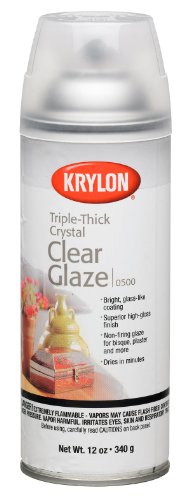 |
One coat equals three coats, high gloss, permanent, non-firing glaze for various materials |
| Rongon Stainless Steel Blow Glaze Pot Spray | Rongon |  |
Premium stainless steel, uniform spray via mouth-blown atomization, anti-oxidation |
| Moofey Pottery Glaze Sprayer | Moofey | 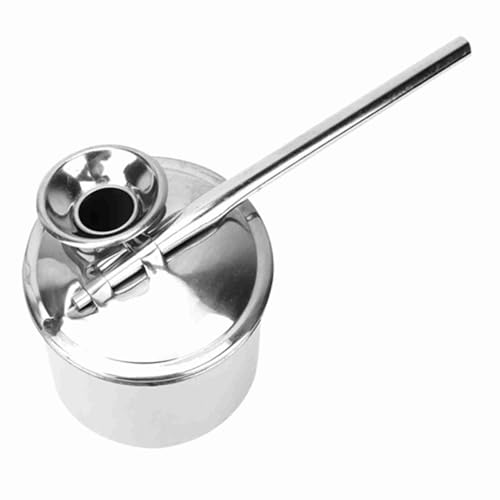 |
200 ml capacity, precise glazing, enamel/oxide spraying for gradients |
| Hztyyier Glaze Glazing Sprayer | Hztyyier |  |
Metal atomizer, handheld spraying, supports glaze and oxides |
| AMONIDA Pottery Atomizer | AMONIDA |  |
Stainless steel, quick spray, atomization mechanism with vertical tube |
Note: The table above highlights five practical glaze spray tools well-suited for a ceramic glaze spray booth. Each option supports a range of glazing techniques, from fine detail work to broad coverage, making them versatile for studio use.
Krylon I00500A07 12-Ounce Triple Thick Clear Glaze Aerosol Spray
The Krylon Triple Thick Clear Glaze provides an ultra-gloss finish that can enhance glaze clarity for ceramics and polymer clay projects. This non-firing glaze is designed for quick, durable protection and can be used to achieve a high-gloss effect on fired or unfired pieces. While it offers a strong protective layer, care should be taken to apply even coats in a well-ventilated spray booth to minimize drips and ensure uniform coverage. This aerosol is compatible with various surfaces and can be a good topcoat option when you want extra depth and shine.
Rongon Stainless Steel Blow Glaze Pot Spray
This stainless steel glaze pot is designed for controlled spray application via a mouth-blown mechanism. The durable construction resists oxidation, helping maintain a fresh appearance over time. It permits relatively even atomization of glaze and oxides, which is advantageous for studio setups where consistent spray patterns are important. The device emphasizes a simple mechanism that reduces waste by pulling glaze through a vertical tube into a fine mist as you blow air through the top.
Moofey Pottery Glaze Sprayer
The Moofey glaze sprayer is a stainless steel instrument designed for precise ceramic glaze spraying. It is suitable for underglaze detailing and gradient effects, enabling controlled atomization for intricate painting. The tool’s durability supports regular studio use, and its 200 ml capacity helps manage moderate glaze batches without frequent refills. Its stainless steel build makes it resistant to corrosion from glaze components, contributing to a longer service life in a busy glaze booth.
Hztyyier Glaze Glazing Sprayer
The Hztyyier metal atomizer emphasizes a compact, handheld design for glaze and oxide spraying. Its internal tube draws glaze up for a steady mist when air is blown through the top, supporting even coverage with minimal waste. This device is suitable for achieving special effects and glaze textures on ceramics, with emphasis on portability and straightforward operation within a spray booth environment. Regular maintenance helps preserve atomizer efficiency and glaze flow consistency.
AMONIDA Pottery Atomizer
The AMONIDA pottery atomizer uses a stainless steel body for rust resistance and a straightforward atomization principle. This tool is designed for quick spraying of enamels and oxides, making it suitable for technique-focused glaze applications and effects. The construction supports repeated use in studio environments and is compatible with a range of glaze formulations, provided viscosity and drying times are managed. Its mechanism relies on air pressure to lift glaze through a vertical tube into a fine spray mist.
Buying Guide
Key purchase considerations for a ceramic glaze spray booth include atomization control, material durability, and compatibility with glaze viscosity. For beginners, a simple, low-waste sprayer with a reliable mist is ideal. For experienced potters, tools with adjustable spray patterns and larger capacities reduce refills and increase efficiency. Consider whether you want a handheld sprayer for detail work or a kettle-style pot for larger coverage. Stainless steel construction and corrosion resistance are important for long-term studio use. Ensure adequate ventilation, eye protection, and a washable spray booth surface to maintain a clean workflow.
Comparison highlights:
- Atomization mechanism: Mouth-blown pots (Rongon) offer intuitive use but may require practice; metal atomizers (Hztyyier, AMONIDA) provide consistent mist with less effort.
- Capacity: Sprayers vary from compact pots (~100–200 ml) to larger 300 ml options; larger capacities reduce frequent refills during sessions.
- Durability: Stainless steel bodies resist corrosion and wear; plastic aerosols can be convenient for quick topcoats but may wear faster with glaze solvents.
- Use-case fit: For fine detail or gradient work, tools with precise spray control are preferred (Moofey, AMONIDA); for broad glaze coverage, larger pots and consistent mist are advantageous (Rongon, Hztyyier).
- Maintenance: Regular cleaning after glaze use prevents clogging and extends nozzle life; store in a clean, dry area to avoid oxidation.
Leave a Reply