Best Cheap Calligraphy Pens for Beginners and Artists
Discover affordable calligraphy pens that deliver reliable line quality without breaking the bank. This guide highlights five budget-friendly options suitable for beginners and seasoned letterers alike. The selections emphasize accessible nibs, clear ink flow, and versatility for lettering, drawing, and journaling. Ideal buyers include students testing the craft, hobbyists expanding their toolkit, and crafters seeking value without sacrificing performance. Below is a quick at-a-glance summary of the chosen products.
| Product | Best For | Key Benefit |
|---|---|---|
| Tombow 62038 Fudenosuke Brush Pen 2-Pack | New calligraphers and illustrators | Soft and hard tip versatility |
| Fhyhej 6-pen Calligraphy Set | Budget-friendly starters | Six nib sizes for varied strokes |
| Speedball 002900 Calligraphy Fountain Pen | Traditional nib fans | Precisely-machined nib for crisp lines |
| GETHPEN 10-Size Calligraphy Pens | Diversified styles | Wide nib variety with archival ink |
| Pilot Parallel Calligraphy Pen Set | Monoline and broad-edge work | Parallel nibs for precision and shading |
Tombow 62038 Fudenosuke Brush Pen 2-Pack
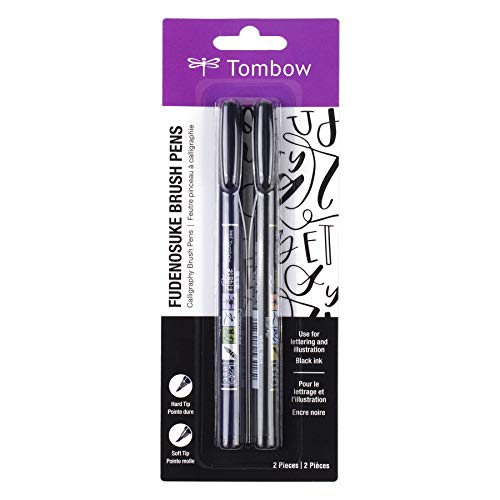
The Tombow Fudenosuke 2-Pack offers both soft and hard tip brush pens in one set. The flexible brush tip supports a range of lettering and drawing techniques, enabling extra-fine to medium strokes with pressure changes. This option is best for beginners exploring thin downstrokes and broad strokes, as well as artists needing dual-tip flexibility in one pocket-friendly pack. A practical caution: brush tips can fray with heavy use on rough surfaces, so use on smooth, letter-friendly paper for best results.
Fhyhej 6 Size Calligraphy Pens

This six-nib set provides a range from 1mm to large sizes, making it ideal for beginners who want to experiment with different line weights. The set includes soft and hard tip black calligraphy ink pens with a flexible tip, supporting varying pressure to deliver extra-fine, fine, and medium strokes. It’s best for learners who want a low-cost, all-in-one toolkit. A potential limitation: water-based ink may require careful handling to prevent smudging on certain papers.
Speedball Art 002900 Calligraphy Fountain Pen
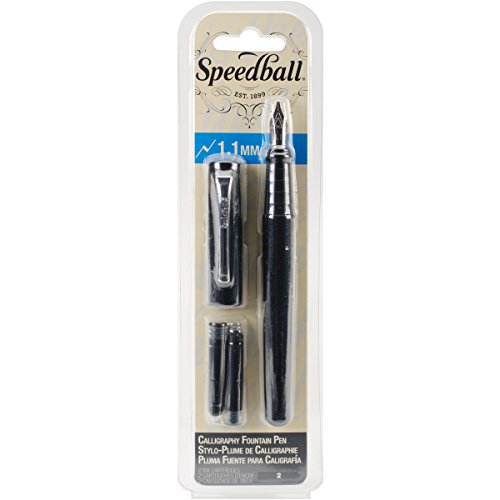
The Speedball 1.1mm nib offers precise, crisp lettering with smoothly flowing ink. The nib is slightly rounded for comfortable, controlled strokes, and the pen’s lightweight, ergonomic construction supports extended practice sessions. This option is better for traditional calligraphy lovers who prefer a classic nib experience. A caveat: shading variation may require careful angle control to maintain consistent monoline lines across larger projects.
GETHPEN 10-Size Calligraphy Pens

This ten-size kit delivers a broad spectrum of nib widths, including 1mm angled and 2mm flat tips, plus brush options. It’s well-suited for those who want to master both delicate lettering and broader strokes in a single, cost-effective set. The packaging emphasizes archival, waterproof, fade-proof black ink, which helps artwork survive over time. Caution: ink safety varies by color; verify that all included inks meet your project requirements before use on delicate papers.
Pilot Parallel Calligraphy Pen Set

The Pilot Parallel set features two parallel plates that produce sharp monoline lines with one edge and broader, expressive strokes with the other. It supports ink color mixing to create ombre effects, ideal for modern lettering and invitations. It’s best for those who want a versatile tool for precise script and shaded capitals. A limitation to note: parallel nibs are less forgiving on very textured or coarse papers, which can affect line consistency.
Buying Guide
What should I look for in a cheap calligraphy pen?
Consider nib type (brush, fountain, or parallel), ink compatibility, and the variety of line widths you need. Brush tips are forgiving for beginners; parallel nibs deliver crisp, controlled lines; fountain nibs offer classic penmanship with steady ink flow.
Which features matter for beginners?
Look for sets that include multiple nib sizes, user-friendly ink (water-based or archival), and comfortable grip. A starter kit with both soft and hard tips helps you explore different styles without buying separate tools.
What surfaces and papers work best?
Smooth, bleed-proof papers reduce feathering and help you achieve clean lines. Avoid highly textured papers when starting, as they can distort ink flow and nib performance.
How do I maintain cheap calligraphy pens?
Clean nibs after use to prevent ink build-up. Store pens with tips protected, and avoid pressing too hard to prevent tip fraying or bristle damage.
Which option balances value and performance?
The Tombow Fudenosuke set provides dual-tip versatility in one affordable package, suitable for a broad range of styles. The GETHPEN kit offers a wide nib range for developing technique on a budget. Pilot Parallel introduces a unique mechanism with potential long-term payoff for varied lettering styles.
Usage scenarios
For craft projects, journaling, and scrapbooking, choose sets with colored inks or easily refillable options. For formal invitations or greeting cards, a reliable archival black ink and crisp line control are key.
FAQ
- What’s the easiest cheap calligraphy pen for beginners? A dual-tip brush pen like the Tombow Fudenosuke pack is a common starter choice due to its flexible tips and simple pressure-based control.
- Are brush pens good for calligraphy practice? Yes, brush pens offer dynamic line variation that helps learners develop stroke pressure and rhythm quickly.
- Can I use these on glossy or colored paper? Yes, many are designed to be ink-stable on various paper types, but ink appearance can vary by surface.
- Which set offers the most nib options? The GETHPEN 10-Size set provides a broad range of nib widths for diverse lettering styles.
- Do these pens require special inks? Most listed sets use their own ink formulations; some are water-based and safe for kids, while others emphasize archival waterproof ink.
- Is a fountain style necessary for modern calligraphy? Not necessary; many beginners succeed with brush tips or parallel nibs that mimic traditional script with easier handling.
Leave a Reply