Best Clay Press Machines for Smooth, Even Polymer Clay Sheets
If you want consistent thickness and easy color blending for polymer clay projects, a clay press machine is a smart investment. This guide highlights top options suited for hobbyists, jewelry makers, and craft enthusiasts who value uniform sheets and efficient workflows. Below you’ll find a quick buying table, followed by detailed product insights to help you choose confidently.
Buying Options At A Glance
| Product | Best For | Key Benefit |
|---|---|---|
| Makin’s Professional Ultimate Clay Machine | Beginner to intermediate users | Wide clay path; 9 thickness settings; includes clamps and rollers |
| Foifatt Polymer Clay Press Machine | Color blending and uniform sheets | 6 thickness options; rust-proof stainless steel; mixes colors |
| Yofuly Polymer Clay Machine Set | Comprehensive starter kit | Cuts, extrudes, and presses; 6 thicknesses; 15 cutters |
| WECLAYER 7-Thickness Polymer Clay Press | Budget-friendly basic setup | 7 thickness settings; clamp-ready; stainless steel |
| Zorvexis Electric Polymer Clay Roller | Large batches and precision | 60W motor; 16 thickness settings; dual mode |
Makin’s USA Makin’s Professional Ultimate Clay Machine
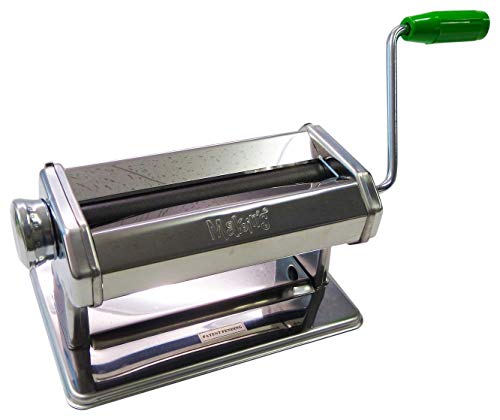
The Makin’s Professional Ultimate Clay Machine is designed for effortless mixing and blending of colors with a wide clay path and nine thickness settings. It includes essential components such as a table clamp, rollers, and a handle, making it a complete setup for new users transitioning to more advanced projects. Best for beginners who want a ready-to-use machine with clear adjustments for consistent sheets. Caution: ensure secure clamping to prevent drift during use.
Foifatt Polymer Clay Press Machine

This press excels at flattening and mixing clays to achieve smooth, uniform lengths with even thickness. It offers six thickness settings and uses rust-proof stainless steel for durability. Best for color blending and steady sheet production. Limitation: some users may need to manually reset thickness after frequent adjustments.
Yofuly Polymer Clay Machine Set

The Yofuly set combines a press, roller, extruder, and a large assortment of cutters and accessories. It’s ideal for crafters who want a versatile kit for earrings, jewelry, and decorative shapes. Best for those seeking an all-in-one starter kit with many shapes and embossing options. Caution: the kit’s breadth may be overwhelming for absolute beginners who only need basic tools.
WECLAYER 7-Thickness Polymer Clay Press (Green)

This model offers seven thickness settings with a clamp-ready design and stainless steel construction. It’s focused on providing a durable, easy-to-clean option that supports efficient sheet production. Best for budget-conscious crafters who want reliable performance without extra frills. Limitation: fewer thickness options than some higher-end models.
Zorvexis Electric Polymer Clay Roller

The Zorvexis model couples a 60W motor with dual operation modes, enabling hands-free rolling for large batches or precise manual control. It features 16 thickness settings from 0.8 to 3 mm and a durable stainless-steel build. Best for serious crafters who require consistent, scalable sheets. Caution: electric operation may require extra space and power setup in smaller work areas.
Buying Guide
What should I consider before buying a clay press machine?
- Thickness range: Look for machines with the thickness span you need, such as 0.6–2.6 mm or 0.8–3 mm, to cover delicate petals to sturdy earring bases.
- Manual vs. electric operation: Manual models are simple and portable; electric rollers offer hands-free operation for large batches but require space and power access.
- Material and durability: Stainless steel bodies are easier to clean and less prone to rust or staining from clay colors, ensuring longer life.
- Accessories and versatility: Kits that include cutters, extruders, and clamps save time and expand project options.
- Clamping stability: Machines designed to clamp securely to a workbench reduce movement and improve sheet consistency.
- Maintenance: Choose designs with smooth rollers and non-porous surfaces to minimize color transfer and ease cleanup.
What’s the right choice for different buyers?
- Beginner hobbyists: A comprehensive starter set with multiple thickness options and included accessories helps learn varied techniques without additional purchases.
- Jewelry makers: A machine with precise thickness control and smooth, non-sticky rollers supports consistent sheet preparation for earrings and pendants.
- Color artists: Models emphasizing color blending and uniform mixing reduce streaks and color transfer between batches.
- Space-conscious crafters: Manual, compact units with essential features are easier to fit into small workspaces.
Maintenance and care tips
- Wipe rollers after use to remove residue and prevent sticking.
- Keep blades and cutters secured in their boxes to prevent damage or injury during storage.
- Avoid forcing thickness settings; gently adjust dials to prevent wear on gears and clamps.
Frequently Asked Questions
- What thickness range should I start with? Start with 0.6–2.6 mm or 0.8–3 mm to cover common projects like petals and earrings.
- Is an electric clay roller worth it for beginners? It’s beneficial for batching and consistency but requires space and power access.
- Do all clay press machines work with standard clay brands? Most are designed for common polymer clays; check compatibility if using specialty clays.
- Can a press replace a rolling pin entirely? A press can replace rolling for uniform sheets, but some texture work might still benefit from a traditional roller.
- How important is stainless steel construction? It improves durability, cleanliness, and longevity, especially with frequent color work.
- What’s the best way to store cutters and extruders? Keep them in their original packaging or designated organizers to avoid misplacement.
Leave a Reply