Best Color Chart and Mixing Guides for Painting Projects
Color charts and mixing guides are essential tools for painters, crafters, and designers. They help organize hues, reveal relationships, and accelerate decision-making in color-friendly workflows. This article highlights five trusted color chart tools available on Amazon, spanning color wheels, charts, diaries, and reference books. Each product is evaluated for practical use, portability, and how it supports learning color theory in painting, makeup, tattoo design, and decorative arts.
Summary Of Chosen Products
| Product | Brand | Type | Key Value |
|---|---|---|---|
| JimKing Creative Color Wheel | JimKing | Two-sided color wheel | Portable, teaching tool for color relationships |
| RAL K7 Color Chart | RAL | Color chart book | 216 colors, eco-friendly water-based paints |
| ARTDOT Color Card for Diamond Painting | ARTDOT | Color reference chart | 445 colors, number-matched, anti-fading |
| Mcbazel Color Mixing Guides Wheel | Mcbazel | Dual-sided color wheel set | Large and pocket sizes, theory and practice |
| HG Art Concepts Painters Color Diary | HG Art Concepts | Swatch diary | Acid-free paper, 10 removable pages |
JimKing Creative Color Wheel: Two-Sided Color Relationships
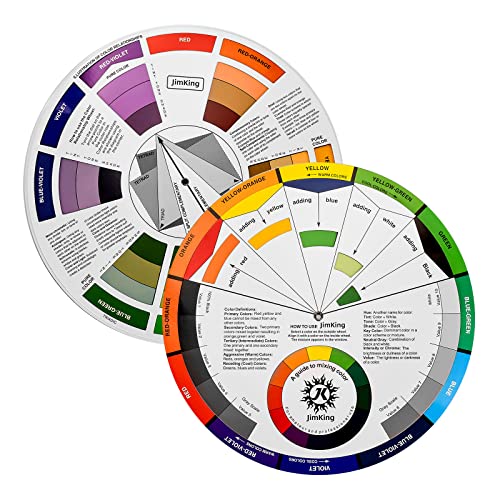
The JimKing two-sided color wheel is designed to simplify color relationships for a wide range of artists, from painters to interior designers. Its rotating wheel presents core color harmonies, including complementary and triadic schemes, enabling quick decisions during lesson planning or studio sessions. The 230 mm diameter offers a comfortable balance between portability and visibility, making it suitable for classroom demonstrations and field sketching. Two packs provide flexibility for shared teaching tools or personal backup wheels.
Key features support learning and practice: organizing colors to ease choice-making, defining common color terms, and highlighting color interactions. The wheel’s broad applicability—from makeup painting to tattoo design—makes it a versatile addition to creative workflows. Its portability is a clear advantage for instructors who demonstrate color theory across different spaces.
RAL K7 Color Chart: Classic Colors In A Portable Guide

The RAL K7 Color Chart presents 216 timeless hues in a practical fan-format guide. It is crafted with low-solvent, low-odor water-based paints to support eco-friendly use. The chart’s five-color-per-page layout balances breadth and legibility, aiding designers, painters, and hobbyists who need a reliable palette reference on the go. Enhanced UV resistance on the physical swatches helps maintain color fidelity under light exposure, making it well-suited for studios, exhibitions, and outdoor projects.
This chart excels for professionals needing consistent color matching across projects and environments. While primarily a reference, its portable design and durable construction make it ideal for fieldwork, teaching color theory, or as a central color library in a classroom. The eco-friendly materials appeal to educators prioritizing sustainable supplies.
ARTDOT Color Card For Diamond Painting Kits

The ARTDOT color card is designed for precise color identification in diamond painting and similar crafts. It lists 445 colors with corresponding numbers to ensure color accuracy as you match drills to storage palettes. This resource is especially valuable for crafters who handle large color libraries and require consistent references to avoid misalignment during projects. A distinguishing feature is its emphasis on color accuracy and organization, mitigating guesswork during complex color-matching tasks.
Strengths include rapid identification of unknown colors and a robust catalog that supports complex compositions. For educators and hobbyists, the color card helps with color planning, batching drills, and teaching color consistency across sets. The card’s durability and clear labeling make it a dependable tool for ongoing projects and repetitive workflows.
Mcbazel Dual-Sided Color Mixing Guides Wheel

This set includes three color wheels in large and pocket sizes, designed to accommodate studio or classroom use and on-the-go painting. The front wheel emphasizes dynamic color mixing in real time, while the back provides advanced relationships such as complementary colors and triad schemes. The dual-sided design supports both practical mixing practice and theoretical study, turning color theory into actionable guidance during projects. The multiple sizes help accommodate both full-scale studio sessions and compact field work.
The Mcbazel collection positions itself as a comprehensive learning toolkit. It offers immediate visual feedback as you spin the wheel, promoting hands-on understanding of color harmony. The variety of sizes expands usability for different spaces, from teaching in a classroom to painting at a kitchen table. For instructors, the wheels can serve as central demonstrations for color relationships, with portable options for student hands-on practice.
HG Art Concepts Painters Color Diary

The HG Art Concepts Painters Color Diary is a spiral-bound, acid-free swatch book designed for acrylic and oil painters. It features 10 removable pages with glassine interleaving and 1″ x 1.5″ swatch outlines on each page. The pages measure 9×12″ when bound, with a 136 lb (290 gsm) paper weight that supports color testing, mixing experiments, and palette development. The diary design helps organize formulas, transparency/opacity tests, and value studies in a portable, studio-friendly format.
Ideal for students and professionals, this diary supports a structured workflow for color testing and documentation. The removable pages and glassine interleaving protect swatches during revisions, making it suitable for iterative projects and teaching labs. Its included formatting facilitates practice with color relationships, blends, and shading, helping painters track progress and refine color decisions across sessions.
Color Mixing Bible: Comprehensive Pigment Guidance
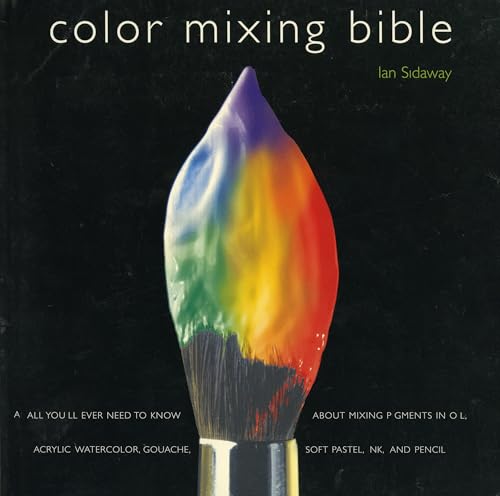
The Color Mixing Bible by Ian Sidaway offers a thorough exploration of pigment mixing across oil, acrylic, watercolor, gouache, and other media. While it reads as a reference guide, its breadth helps painters understand pigment behavior, including opacity, transparency, and color bias. The book is a trusted resource for building robust color strategies, selecting pigments, and achieving predictable results in complex color blends. It supports both beginners seeking foundational knowledge and advanced artists refining their technique.
From practical mixing recipes to artist-friendly explanations of color theory, this reference supports a structured approach to color planning. It can be used in independent study or as a companion to classroom lessons on color harmony, pigment properties, and mixing strategies. The book’s comprehensive scope makes it a staple for libraries and studios seeking a durable, authoritative color reference.
Buying Guide: Key Purchase Considerations
- Intended use: Choose a tool that matches your workflow—practice-based color wheels for hands-on mixing, charts for quick reference, or diaries for documentation and testing.
- Portability: If you work on location or teach in multiple spaces, consider pocket-sized wheels or compact color cards.
- Media compatibility: Ensure the chart or book is suitable for your media (oil, acrylic, watercolor, pastel, or digital-influenced work).
- Durability and longevity: Look for laminated or sturdy paper components, especially for classroom or workshop use.
- Color accuracy and consistency: Materials that emphasize true color matching reduce guesswork and improve results across projects.
- Educational value: Dual-sided tools that explain color theory while offering practical exercises can accelerate learning for students and hobbyists alike.
- Maintenance: Removable pages, glassine interleaving, or reusable wheels lessen wear and tear during repetitive exercises.
In summary, the right color chart or mixing guide supports deliberate color decisions, speeds up learning, and provides a durable reference for ongoing painting projects. When selecting a tool, consider how you teach, study, or create color harmonies in your preferred medium and environment. The five products reviewed here offer varied formats to suit classrooms, studios, and personal work, ensuring practical access to color theory and mixing mastery.
Leave a Reply