Best Commercial Sewing Machines for Professionals and Shops
Answering the needs of professionals and serious hobbyists, these commercial sewing machines are designed for heavy-duty fabrics, high-speed work, and long sessions. This guide highlights five top options, who they’re best for, and why they stand out in a busy workshop. Use this summary to compare features, performance, and workflow benefits at a glance.
Denim and multi-layer fabrics
| Product | |||
|---|---|---|---|
| VEVOR Industrial Lockstitch with Table | 550W servo, up to 5000 SPM | Precision control, LCD speed/position, quiet operation | |
| VEVOR Industrial Sewing Machine (550W) | 550W servo, 5000 SPM | Clear control panel, energy-saving start/stop | Heavy-duty upholstery and denim |
| SINGER Heavy Duty 4411 | 1100 SPM | Strong motor, versatile stitches | General heavy-duty projects and thick fabrics |
| JUKI DDL-8100 (Industrial) | DC Servo, high speed | Single-needle lockstitch with table | Industrial locking stitch tasks |
| SINGER Heavy Duty 6800C | Up to 1100 SPM | 586 stitch applications, robust metal frame | Versatile sewing with professional finish |
VEVOR Industrial Lockstitch Sewing Machine
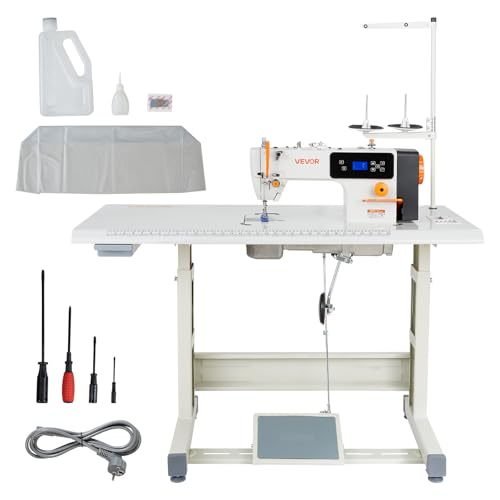
Features: 550W servo motor, up to 5000 SPM, capable of sewing up to 10 layers of denim. Metal frame with auto lubrication supports long-term use. LCD display allows precise speed, needle position, and soft start control. Includes a 0.5″ knee lifter and 0.3″ manual presser foot lift for easy fabric handling, plus a clear threading guide, one-touch reverse stitching, and auto thread trim.
Best for: Professional workshops needing high-speed lockstitch with precise control on thick materials.
Why selected: Combines heavy-duty capability with refined control features that improve stitch consistency in dense fabrics. Caution: May require setup and table integration for full stability in small spaces.
VEVOR Industrial Sewing Machine (550W)

Features: Industrial lockstitch with 550W servo motor delivering 5000 SPM and multi-layer denim capability. Clear LCD touchscreen controls for speed, direction, and needle up/down. Slow-start, up/down needle positioning, and energy-saving smart start/stop. Also supports manual thread tension and stitch length control, with a robust metal body.
Best for: Shops needing a robust, energy-efficient workhorse for dense fabrics and upholstery.
Why selected: The clear display and multiple control options simplify complex sewing sequences. Caution: Higher upfront investment; consider space for the table and wiring needs.
SINGER Heavy Duty 4411

Features: 50% more power, 69 stitch applications across a range of fabrics. High-speed stitching up to 1,100 stitches per minute. Rugged metal frame for durability and a 4-step buttonhole option.
Best for: Individuals tackling denim, canvas, and leather projects with a need for fast, reliable stitching.
Why selected: Strong motor and a broad stitch selection support many projects, from repairs to garment construction. Caution: May be heavier and less portable than basic models.
Industrial Sewing Machine Juki DDL-8100
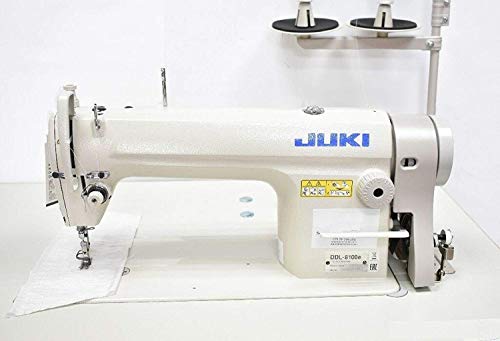
Features: Single-needle lockstitch, energy-saving DC servo motor, and a table stand. This model is designed for reliable lockstitch production in industrial settings and comes with essential accessories for ready-to-use performance.
Best for: Workshops needing a dedicated lockstitch unit with table support for continuous seams.
Why selected: Juki’s reputation for consistent stitch quality and durable build makes it a solid choice for professional environments.
Caution: Assembly is required; plan for table setup and alignment.
SINGER Special Edition Vintage 500 Classic
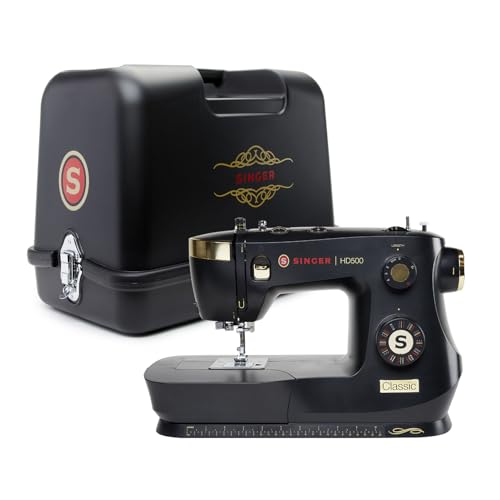
Features: Vintage-inspired design with a robust metal frame and 23 built-in stitches offering 110 stitch applications. Includes LED lighting, needle threader, one-step buttonhole, and a carrying case for portability.
Best for: Small shops or home studios seeking a stylish, versatile machine for a range of fabrics and creative projects.
Why selected: Combines durable construction with a broad stitch catalog in a compact footprint.
Caution: Not a true industrial heavy-duty model; may cater more to lighter commercial tasks.
Buying Guide
- What fabric range do you expect to sew? For thick denims, leather, or canvas, prioritize high piercing power, heavy-duty frames, and multi-layer capacity.
- How fast do you need to sew? If rapid production matters, look for speeds around 1000+ stitches per minute and a smooth start/stop feature to reduce fabric misalignment.
- Do you require table integration? Many commercial machines come with or without a stand. A table helps stabilize feeding and makes operator workflow smoother.
- What features matter? LCD displays, needle up/down control, presser foot lift variety, and auto-thread trimming can boost efficiency in busy shops.
- What is your space and budget? Industrial machines require more floor space and power supply; plan for ventilation and noise considerations in smaller rooms.
- Ease of maintenance? Metal frames and serviceable parts reduce downtime. Consider models with accessible lubrication points and clear owner manuals.
FAQ
- What is a commercial sewing machine? A machine built for heavy-duty use in professional settings, designed to sew thicker materials at higher speeds with durable frames.
- Do I need a servo motor? Servo motors are energy-efficient and provide precise speed control; they suit long sewing sessions and quieter operation.
- Is a table stand important? Yes, for stability and ease of fabric handling, especially on high-volume or long-length seams.
- Can these machines sew leather? Some models are designed to handle leather and dense fabrics; verify needle type, pressure, and fabric thickness ratings.
- How do I choose between industrial and home-use machines? Consider fabric thickness, daily throughput, maintenance access, and whether you require professional-grade speed and durability.
- Are these machines plug-and-play? Most industrial units require setup, table mounting, and sometimes a dedicated electrical circuit; read the manufacturer’s installation guide.
Leave a Reply