Best Corset Making for Beginners: Essential Boning Supplies and Tips
Corset making combines design, structure, and fabric choice to shape the silhouette with comfort. For beginners, selecting the right boning is essential to achieve the desired rigidity without bulk. This guide highlights five beginner-friendly corset boning options and practical tips to help you start sewing confidently.
| Product | Brand | Length | Width | Use |
|---|---|---|---|---|
| 45 Yards Corset Boning, 6mm | Yuomeaz | 45 yards | 6 mm | Lightweight, low-density support |
| PH PandaHall 22 Yards Underwire Channeling Boning | PH PandaHall | 20 m | 10 mm | Flexible, strong support for corsets |
| PH PandaHall 22 Yards Nude Channeling Tape Boning | PH PandaHall | 20 m | 10 mm | Fabric-covered, easy channeling |
| PH PandaHall 40pcs Spiral Metal Boning | PH PandaHall | Multiple lengths, total 40 pcs | 5.5 mm | Pre-capped, versatile sizes |
| Spiral Metal Boning, 16.4 Yards | Dunzy | 16.4 yards | 5 mm | Sturdy steel with tips |
Whether you’re repairing a costume or starting a first corset project, these options offer a mix of easy-to-use, beginner-friendly features like pre-capped ends, fabric-friendly channels, and dependable stiffness. Continue below for detailed product insights and hands-on guidance tailored for newcomers.
1) 45 Yards Corset Boning, 6mm Polyester

This polyester boning is designed for lightweight, low-density support, making it a practical starting point for beginners. Each roll provides generous length to handle multiple small projects or several sections of a single garment. The material is known for maintaining shape after multiple washes, helping you preserve the corset’s structure over time. The 6 mm width pairs well with standard seam allowances and fabric thickness common in beginner-friendly corsets.
Key considerations:
– Easy-to-sew with fabric due to its lower density.
– Durable enough to withstand repeated wear and washing.
– Ideal for beginners who want a balance of stiffness and comfort.
2) PH PandaHall 22 Yards Underwire Channeling Boning

These bonings are 10 mm wide and come in a generous 20 m length, suitable for multiple corset-making or garment-sewing projects. Made from high-quality polyester, they offer flexibility with solid support—excellent for beginners who want reliable structure without excessive stiffness. They’re easy to insert into channels and sew, which helps you achieve a clean, professional finish for your first pieces.
Key considerations:
– Wide 10 mm profile provides sturdy shaping.
– Suitable for beginners seeking reliable support without bulk.
– Works well for corsets, shapewear, and similar garments.
3) PH PandaHall 22 Yards Nude Channeling Tape Boning

This fabric-covered boning is designed for easy channeling and a smooth silhouette. The 10 mm width is a practical middle ground between light support and noticeable shaping. The nude color helps to blend with light fabric tones, making it a good option for beginners working with sheer or pale fabrics. It’s ideal for beginners who want quick, clean results with minimal bulk.
Key considerations:
– Fabric-covered surface reduces chance of snagging or puncture.
– Easy to channel and sew into place.
– Great for beginners focused on a seamless look.
4) PH PandaHall 40pcs Spiral Metal Boning Set

A versatile option for intermediate steps in beginners’ learning curve. This set includes 40 pieces across four sizes, with pre-capped ends to simplify handling. The 5.5 mm width and variety of lengths help you adapt boning to different garment sections—center front, side panels, or bust shaping. Stainless steel construction adds rust resistance and durability, which is useful for practice garments that undergo frequent handling.
Key considerations:
– Pre-capped ends speed up workflow and reduce fabric puncture risk.
– Multiple sizes accommodate varying corset designs.
– Stainless steel provides durable, long-lasting performance.
5) Spiral Metal Boning For Corsets, 16.4 Yards
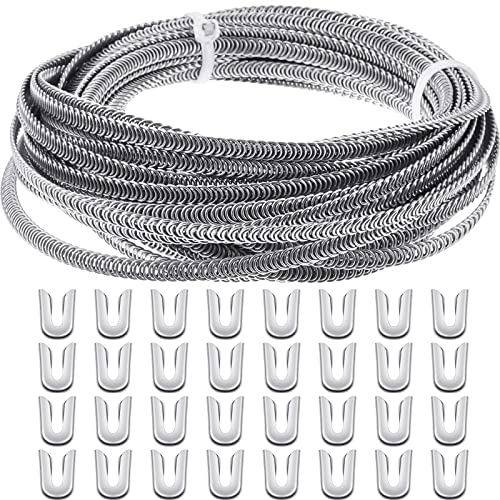
Spiral metal boning offers a balanced blend of rigidity and flexibility, ideal for corset stays and costuming. At 5 mm width, this option maintains structure across the garment without imposing excessive stiffness. The included tips help prevent fabric snagging and simplify setup, making it a practical choice for beginners expanding from light to more substantial boning. The length, roughly 16.4 yards, supports multiple projects or larger corset pieces.
Key considerations:
– Good elasticity and quick recovery maintain shape during wear.
– Pre-cut or tip-equipped options reduce prep time for beginners.
– Stainless steel construction ensures durability and longevity.
Buying Guide for Beginners: Boning Essentials
- Fabric compatibility: Light-to-midweight fabrics pair well with 6 mm to 10 mm boning. Heavier fabrics may require stronger or wider options to avoid warping.
- Boning type: Spiral metal boning provides flexible shaping, while channeling or fabric-covered boning offers a smoother silhouette. Choose based on project needs and comfort level.
- Ends and caps: Pre-capped ends simplify sewing and reduce fabric punctures. For beginners, this feature saves time and ensures a neat finish.
- Maintenance: polyester and stainless steel resist wear and rust. Consider how often you’ll wash or handle your corsets when choosing material.
- Project scope: For a first project, start with a simple corset panel layout and a single boning width before expanding to multiple widths and curved panels.
- Quantity: If you’re practicing, buying slightly more length or multiple rolls can prevent mid-project shortages and support trial-and-error learning.
- Color and visibility: Nude or fabric-matching boning helps achieve a discreet look on pale fabrics, while contrasting colors can be a design feature.
Practical tips for beginners:
– Practice with scrap fabric before committing to a full project.
– Mark channel placements on fabric to ensure straight rows and even spacing.
– Use a lightweight interfacing or batting under boning areas to reduce fabric puckering.
– Test different boning types on swatches to understand how they affect silhouette and comfort.
Leave a Reply