Best Fabric Cutting Machines for DIY Projects
Fans of fabric crafts and garment construction now have several advanced tools to choose from. This guide highlights five top options, covering built‑in scanners, industrial performance, and automatic blade features. The selections span home and small‑shop use, helping you tackle quilting, applique, leather, and multi‑layer textiles with precision and speed. Read on to compare capabilities and find the best fabric cutting machine for your needs.
| Product | Brand | Key Strength |
|---|---|---|
| Brother ScanNCut SDX125E | Brother | Built‑in scanner with 682 patterns and 5″ touchscreen |
| VEVOR Fabric Cutter | VEVOR | High‑speed 750W motor for multiple layers |
| BEAMNOVA Fabric Cutter Electric | BEAMNOVA | Automatic knife sharpening and 4″ blade for versatile cuts |
| CGOLDENWALL Electric Rotary Cutter | CGOLDENWALL | High 2400RPM speed for multi‑layer materials |
| Brother ScanNCut DX SDX325 | Brother | Extensive built‑in designs and fabric auto blade features |
Brother ScanNCut SDX125E Overview
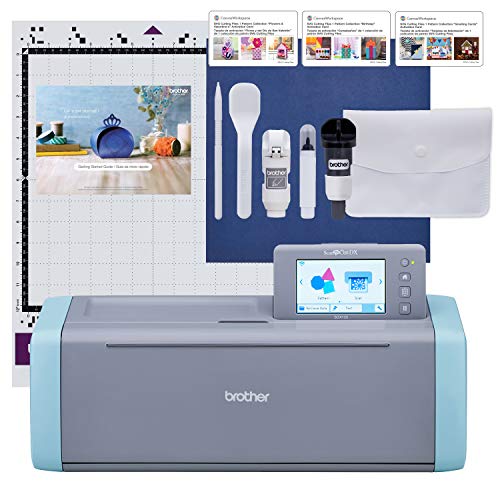
The Brother ScanNCut SDX125E combines cutting with a built‑in scanner, enabling you to digitize drawings and cut printed designs without external software. The 682 built‑in patterns cover quilting, vinyl, and card making. A 5″ touchscreen simplifies project setup, while the auto blade and material sensing system automate blade changes and thickness detection, reducing guesswork. The model is well suited for hobbyists and small studios focusing on DIY wall art, stickers, and personalized gifts. Always perform a test cut to verify results on your chosen material.
VEVOR Fabric Cutter, 750W

VEVOR’s fabric cutter delivers industrial‑grade performance with a 750W motor and a 9.8″ blade. It supports multiple layers and high cutting speeds, making it suitable for batch cutting of textiles, leather, and thick fabrics. A durable alloy blade and automatic blade sharpening help maintain edge quality over time, while the machine’s design accommodates straight and curved cuts. This model is ideal for makers doing larger projects or small production runs where speed and repeatability matter.
BEAMNOVA Fabric Cutter Electric

BEAMNOVA’s electric fabric cutter offers a 4-inch blade and an automatic sharpening system. With a 250W motor, it handles mid‑weight fabrics and multi‑layer projects efficiently. The internal sharpening mechanism helps sustain blade performance, and a replacement blade is included for convenience. It’s a compact option for home studios focusing on quilting, sewing projects, and layered textile work where space is at a premium.
CGOLDENWALL Electric Rotary Cutter

CGOLDENWALL’s rotary fabric cutter is designed for high speed cutting of multi‑layer materials. With a 2.76″ octagonal blade and 2400RPM, it can handle up to 25 mm thickness in practice. It’s positioned for commercial use and heavier textiles such as leather and carpet, though it requires careful handling to avoid miscuts on delicate fabrics. The tool supports straight and curved cutting, with recommended chalk guidelines for precise results.
Brother ScanNCut DX SDX325 Overview

The ScanNCut DX SDX325 expands on the family with 1,303 built‑in designs, including 140 quilt patterns and 17 lettering fonts. It leverages a Thin Fabric Auto Blade for quilting and raw edge applique, while Blade Sensor Technology detects material thickness up to 3 mm for accurate cuts. This model blends large design libraries with smart cutting for fabric crafts, home décor, and personalized apparel projects.
Buying Guide
Key purchase considerations help tailor a fabric cutting machine to your needs:
- Intended use: Light hobby projects vs. small‑scale production. Choose models with suitable speed and multi‑layer handling.
- Cutting technology: Scanners and built‑in patterns aid design repetition; auto blades simplify setup; blade sensors prevent miscuts on unknown materials.
- Material compatibility: Check thickness limits and blade types for fabrics, leather, vinyl, and paper. Some machines excel at trim work; others handle thick textiles.
- Blade maintenance: Automatic sharpening systems reduce downtime. Plan for blade replacement and easy maintenance access.
- Software and datasets: Built‑in libraries save time. For some users, compatibility with external design software matters.
- Footprint and ergonomics: Consider workspace size, noise level, and ease of setup for long sessions.
- Reliability and support: Look for reputable brands with access to spare parts and customer service.
Leave a Reply