Best Drawing Pads for Graphic Design: Top Tablets for Creatives
Choosing the right drawing pad can elevate digital artwork, design projects, and concept sketches. This guide highlights five reliable devices that balance pen feel, pressure sensitivity, and compatibility across Windows, Mac, and Android. Whether you’re a student, freelancer, or professional designer, these options cover a range of budgets and workflows to support precise line work, shading, and expressive brush effects.
Buying at a glance: the table below shows five selected drawing pads with key specs to compare at a glance. These picks emphasize large drawing areas, high pressure sensitivity, compact portability, and strong software compatibility for graphic design tasks.
| Product | Active Area | Pressure Levels | Stylus | Key Features |
|---|---|---|---|---|
| UGEE M708 | 10 x 6 in | 16384 | Passive | Large space, no-lag, Android compatible |
| HUION Inspiroy H640P | 6 x 4 in | 8192 | Battery-free PW100 | Customizable keys, portable |
| XP-Pen Deco 01 V3 | 10 x 6 in | 16384 | Battery-free | 8 shortcuts, Android compatible |
| XP-Pen StarG640 | 6 x 4 in | 8192 | Battery-free PN01 | Slim design, ideal for e-learning |
| GAOMON M10K | 10 x 6 in | 8192 | Battery-free AP31 | Touch Ring, 10 hot keys |
UGEE M708 Large Drawing Tablet
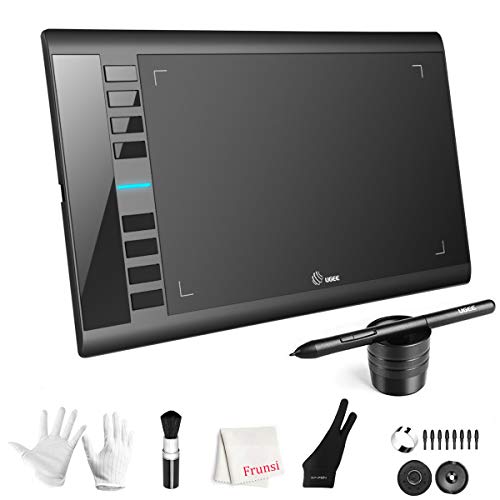
The UGEE M708 offers a generous 10 x 6 inch active drawing space with a papery surface texture that aims to reproduce pencil-like feel while delivering smooth digital sketching. This model leverages 16384 pressure levels with a passive stylus, enabling precise control over line weight and opacity. It’s designed for a broad software ecosystem, working smoothly with Windows, macOS, Android, and Linux, and it supports a wide range of creative applications such as Photoshop, Illustrator, and 3D design tools. The large area plus responsive performance helps with detailed concept art, illustration, and graphic design layouts.
Key considerations for this model include its passive stylus which reduces maintenance and cost, while still offering nuanced pressure sensitivity. The device shines for designers who need a larger drawing canvas without tethering to a constant power source. Note that a driver install may be needed to unlock full compatibility with certain software packages.
HUION Inspiroy H640P

The HUION Inspiroy H640P emphasizes portability with a compact footprint (6 x 4 inches) and a battery-free stylus that delivers 8192 pressure levels. The 0.3-inch thin profile and light weight make it a practical choice for on-the-go sketching, note-taking, and design work. Eight customizable hot keys can be set to shortcuts in the Huion driver, streamlining workflow across apps like Photoshop, Illustrator, and other design software. It’s well-suited for students, teachers, and professionals who want a reliable entry point without sacrificing functionality.
In practice, the H640P excels in immediate usability and crisp pen input, though users seeking a larger active area for expansive concept art may prefer models with bigger workspaces. Its balance of features and price makes it a solid midrange pick for graphic design tasks that require quick iterations and precise linework.
XP-Pen Deco 01 V3

The Deco 01 V3 steps up with a 10 x 6 inch canvas and an upgraded 16,384-level pen for sensitive line work and shading. The pen operates without a battery, freeing you from charging hassles, and supports tilt for more natural brush control. With eight customizable express keys and Android compatibility, it’s flexible for both desktop and mobile workflows. The Deco 01 V3 is a strong option for artists and designers who want a wide drawing area and a versatile tool that can adapt to different software environments, including creative suites and digital painting apps.
Design tasks benefit from its precise pressure response and ergonomic layout. While it remains compact, the larger active area compared to many entry-level tablets makes it a favorable choice for detailed illustration, lettering, and vector work within a graphic design pipeline.
XP-Pen StarG640
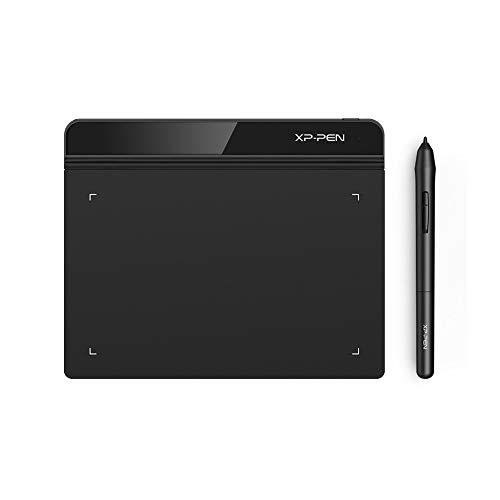
The StarG640 focuses on portability and essential functionality with a compact 6 x 4 inch active area and an 8192-level battery-free stylus. It’s ideal for students, remote workers, or anyone who needs a simple, reliable tool for online teaching, note-taking, or light digital drawing. Its slim profile makes it easy to carry, and it pairs well with a wide range of software used in education and creative tasks. The StarG640’s strength lies in its straightforward approach: solid pen input, minimal setup, and dependable performance for everyday design tasks.
While the StarG640 is perfectly adequate for entry-level needs, users pursuing advanced shading and large-scale concept art might opt for larger canvas tablets. It provides a low-barrier entry into digital illustration without compromising the essentials for graphic design work.
GAOMON M10K Drawing Tablet

The GAOMON M10K delivers a large 10 x 6 inch drawing area with a touch ring for quick zoom and brush adjustments, plus 8192 levels of pressure on its AP31 battery-free stylus. Ten hot keys support customized shortcuts, speeding up workflows in design, writing, and video editing. This tablet is well-suited for graphic designers who need a robust, mid-to-large workspace with convenient navigation controls and reliable pen performance. The M10K’s blend of space, comfort, and function makes it a strong choice for creating detailed illustrations, mockups, and UI layouts.
For designers who prioritize a tactile pen feel and workflow efficiency, the M10K offers a balanced option that scales well from initial concept to final refinements. It may be particularly appealing to users who value a dedicated touch ring for navigation without relying solely on keyboard shortcuts.
Buying Guide: Key Purchase Considerations For Graphic Design
- Active drawing area: Larger canvases support detailed sketches and complex layouts; consider whether 6 x 4 in is sufficient or if 10 x 6 in is preferable for your projects.
- Pen technology: Battery-free styli reduce maintenance and charging interruptions; however, ensure drivers and software compatibility with your design tools.
- Pressure sensitivity: Higher levels (e.g., 16,384) allow finer control for shading and line weight. For many designers, 8,192 levels offer a comfortable balance of responsiveness.
- Latency and lag: Low-latency tablets provide a more natural drawing feel, essential for precise line work and artists’ comfort during long sessions.
- Software compatibility: Most tablets work with Photoshop, Illustrator, and other design apps; verify compatibility with your go-to software and whether Android support is needed for on-the-go work.
- Ergonomics and shortcuts: A comfortable stylus with tilt support and configurable express keys can significantly speed up common tasks in graphic design workflows.
- Portability vs. workspace: If you travel or work in different locations, a compact model may be preferred; if you work primarily at a desk, a larger canvas can improve efficiency.
- OS integration: Ensure the tablet plays well with Windows, macOS, and any Android devices you use, especially if you run multiple platforms in a design pipeline.
- Price vs. performance: Entry-level models offer essential features, while midrange options add customizable shortcuts and larger canvases that benefit professional workflows.
In sum, the best drawing pad for graphic design balances canvas size, pen responsiveness, and software compatibility. The five options above provide strong choices for varying needs—from compact, portable devices to larger workspaces with advanced shortcut customization. When selecting, map your typical design tasks, preferred software, and the need for mobility to find the right fit.
Leave a Reply