Best Etching Primers for Chrome: Top Picks for Bare Metal Prep
When preparing chrome or other bare metals for paint, a reliable etching primer is essential. It creates a rough, adherent surface that helps topcoats bond and resist rust. The following selections cover a range of formulations—from lacquer-based single-stage primers to modern anti-corrosion blends—so you can choose based on substrate, application style, and project scale. Each entry includes key features to help compare performance, drying times, and compatibility with automotive finishes. The list emphasizes durable adhesion and rust protection for metal surfaces commonly found in cars, trucks, and industrial equipment.
| Product | Brand | Key Feature |
|---|---|---|
| Rust-Oleum Self Etching Primer Spray, 12 oz | Rust-Oleum | Etches bare metal, fast-drying, rust-resistant base coat |
| U-POL Etching Primer, 10 oz | U-POL | Anti-rust technology, ideal for bare metals |
| SEM 39683 Grey Self Etching Primer | SEM | Self-etching primer for bare metal surfaces |
| Seymour 20-1675 PBE Professional Primer | Seymour | Zinc-enhanced coating with strong adhesion |
| Eastwood Self Etching Primer Gray | Eastwood | One-step etch and prime for rust-free metal |
Rust-Oleum Self Etching Primer Spray (12 oz)

Rust-Oleum’s automotive self-etching primer provides a rust-resistant base coat designed for bare metal, aluminum, and fiberglass. The oil-based formula accelerates drying, with a touch-dry in about 10 minutes and a topcoat-ready window around 30 minutes. It covers up to 12 square feet, making it suitable for small to mid-size projects like fenders, panels, and mechanical components. The Stops Rust technology helps protect metal surfaces against future corrosion, making it a practical option for vehicles that encounter moisture or road salt.
U-POL Etching Primer, 10 oz

U-POL offers a premium self-etching primer formulated to prepare bare metals such as galvanized steel, aluminum, and fiberglass for overcoating. The product emphasizes preparation steps—cleaning, degreasing, and abrading—to maximize adhesion. Its anti-rust protection helps prevent corrosion while enhancing bonding strength. This primer is suitable for automotive projects and other metal assemblies where robust corrosion resistance and primer-to-paint adhesion are priorities.
SEM 39683 Grey Self Etching Primer
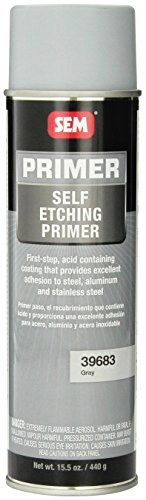
SEM’s 39683 Grey Self Etching Primer is a US-made option with standard package dimensions for automotive refinishing. While the listing emphasizes part numbers and measurements, this primer is designed to etch and prime bare metal—enhancing corrosion resistance and promoting adhesion for subsequent topcoats. It suits hobbyist and professional shop workflows where a reliable etch-and-prime step is performed before color or clear coats.
Seymour 20-1675 PBE Professional Primer

Seymour’s 20-1675 PBE Professional Primer features a durable, zinc-enhanced coating intended to protect all metal surfaces. The electrochemical galvanic action helps preserve protection even when the surface is scratched, while the dry film contains a high percentage of pigment to reduce smoke and electrode wear during welding. This makes it a practical choice for metal repair and automotive fabrication where ongoing weld work may occur after priming.
Eastwood Self Etch Primer Gray

Eastwood’s gray self-etching primer is designed to etch and prime bare, rust-free metal in one step. It’s lacquer-based and single-stage, meaning no catalyst is required for application. The product is marketed to improve adhesion and durability of most non-epoxy topcoats, making it a versatile option for classic car builds and metal restoration projects where speed matters and a robust base coat is desired.
Eastwood Self Etching Primer Spray, Gray 16 oz
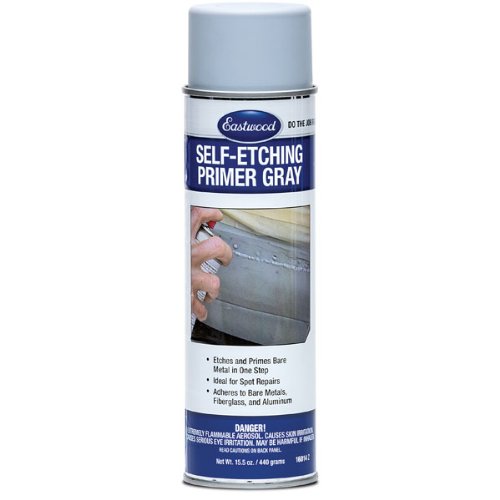
This Eastwood aerosol option mirrors the single-stage, lacquer-based approach of the gray self-etch primer line. It offers the same benefits of etching bare metal and improving adhesion without the need for catalyst. The 16-ounce aerosol format is well-suited for spot repairs and smaller automotive parts where quick, consistent coverage is needed. It aligns with workflows that favor sprayable primers for localized prep work.
Custom Shop Premium Gray Self Etching Primer

Custom Shop’s gray self-etching primer offers a ready-to-spray, acid-etch primer with strong adhesion to bare metals including steel and aluminum. It is designed for OEM-level prep and is described as a versatile product for fleet and industrial use. The formula emphasizes anti-corrosion properties and compatibility with non-epoxy topcoats, making it a suitable choice for larger restoration or production projects that require durable adhesion and corrosion protection.
Rust-Oleum 249322 Self Etching Primer (Pack of 4)

This pack-by-4 option expands coverage for larger projects or fleet maintenance, maintaining the same self-etching and rust-resistant base coat benefits. The per-pack information highlights multipack value, while the underlying chemistry continues to target bare metals, aluminum, and fiberglass surfaces. It’s suitable for body prep, automotive parts, and other metalwork where consistent adhesion is needed across multiple components.
Buying Guide: Key Purchase Considerations
- Surface compatibility: Bare metal, aluminum, fiberglass, and previously painted substrates behave differently with etching primers. Select a formula that explicitly mentions your substrate for optimal adhesion.
- Drying time and recoat window: Fast-drying primers enable quicker workflow, but ensure you have sufficient time to apply the topcoat before the primer cures too hard, which can impact adhesion.
- Single-stage vs multi-stage: Lacquer-based single-stage primers offer simplicity and speed, while two-part systems may deliver longer-lasting corrosion resistance. Consider your project size and climate when choosing.
- Anti-rust and corrosion protection: Primers with anti-corrosion properties help extend the life of the painted surface, especially in harsh environments or where road salt exposure occurs.
- Application format: Aerosol cans are convenient for spot repairs, while larger cans are better for panels and larger surfaces. Plan coverage to avoid gaps and overspray.
- Surface preparation: The best results come from proper cleaning, degreasing, and light abrading. Some brands offer explicit prep guidance—follow it to maximize adhesion.
- Topcoat compatibility: Verify that the primer’s topcoat compatibility matches your chosen paint system (the same brand line or compatible coatings). This helps prevent adhesion issues or chemical incompatibilities.
- Ventilation and safety: Use in a well-ventilated area and follow safety instructions, especially with solvent-based primers and aerosols.
Etching primers are a foundational step in metal finishing, especially when working with chrome, bare steel, or aluminum components. By selecting a primer that matches your substrate and project scale, you can improve adhesion, reduce corrosion risk, and achieve a smoother, longer-lasting paint job. Consider the options above to identify a primer that aligns with your workflow, equipment, and finishing goals.
Leave a Reply