Best Exposure Units for Screen Printing: Reliable Light Kits for Precise Emulsions
Finding the right exposure unit is essential for cleanly transferring artwork onto screens. This guide examines five reliable 50W to 60W UV exposure kits that balance speed, ease of use, and versatility for both screen printing and cyanotypes. Each option includes adjustable stands, consistent UV output, and practical features to help ensure even curing and sharp details across common screen sizes.
| Product | Brand | Key Feature | Notes |
|---|---|---|---|
| Dorhui 50W LED Exposure Unit | Dorhui | 395 nm UV, 360° rotation | Large projection with uniform illumination |
| Caydo 2PCS 50W LED UV Unit | Caydo | 2 lights, 395 nm, adjustable frames | Flexible layouts for multiple screen sizes |
| ANGOO 50W LED Exposure Unit | ANGOO | 1-999s timer, foldable design | Fast curing, simple setup |
| UrekaGo UV LED Exposure Unit | UrekaGo | 50W, 395 nm, foldable stand | Multi-purpose stand, stable base |
| Screen Print Direct 30W LED Exposure Unit | Screen Print Direct | 30W UV LED, precise image transfer | Budget-friendly starter option |
Below, five selected products are explored with specs drawn from their listed features. Each section links to the product page for quick reference and further details.
Dorhui 50W LED Exposure Unit

This Dorhui exposure unit provides a 50W UV lamp with a 395 nm wavelength. It’s designed for uniform illumination to shorten curing times for photosensitive emulsions, typically 3-5 minutes depending on emulsion thickness. The unit includes an adjustable height and angle light stand, supporting distances from 1″ to 20″ between lamp and plate. The lamp can rotate 360°, helping minimize dead corners and improve even exposure, especially for larger screens. A high-transmittance glass cover helps maximize light efficiency with a wide 120-degree projection angle, supporting more even curing across wider areas.
Caydo 2PCS 50W LED UV Exposure Unit

The Caydo kit includes two 50W UV exposure lamps with a 395 nm wavelength, designed to shorten curing times for emulsions. The package features two PVC exposure stands, cable ties, hooks, and an instruction manual. It offers a 2-in-1 design: each light can be used independently for smaller screens or together for larger frames (up to 20 x 24 inches). The set supports flexible arrangements and is suitable for 10 x 14-inch screens when used separately, expanding to larger formats when used concurrently. Expect exposure times in the 3-5 minute range depending on emulsion thickness.
ANGOO LED Exposure Unit

ANGOO offers a 50W exposure unit with a 395 nm diazo light, combined with a foldable design for easy storage. The timer allows 1 to 999 seconds of exposure, enabling precise control for different emulsions. No assembly is required beyond expanding the unit and adjusting height and angle. The design focuses on fast curing, with recommended exposure times typically in the 5-15 minute range depending on emulsion thickness. The unit’s practical timer helps standardize results across multiple runs or batch work, maintaining consistency in screen preparation.
UrekaGo UV LED Exposure Unit
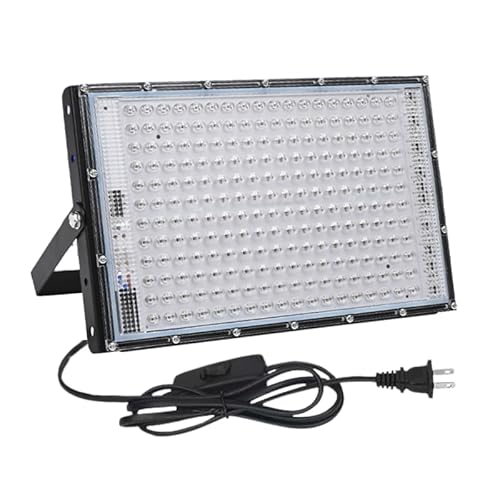
UrekaGo combines a high-intensity 50W, 395 nm UV light with a foldable metal stand to provide precise exposure for both cyanotype and screen printing stencil creation. The stand includes a robust weighted base (around 750g) for stability without tools. It features easy height and angle adjustments, enabling careful targeting of the emulsion. In addition to its primary use, the stand doubles as a versatile holder for devices like smartphones or tablets, offering hands-free operation during setup or demonstration tasks. This multi-purpose design supports flexible workshop setups.
Screen Print Direct 30W LED Exposure Unit

The Screen Print Direct 30W LED exposure unit is designed as a budget-friendly starter option. It uses a 30W UV LED light to cure emulsions, offering exposure times in the 8-12 minute range depending on emulsion thickness. The unit emphasizes precise image transfer to screens, helping produce high-quality lines and details. It comes with an adjustable stand to accommodate different screen sizes and allows for reliable exposure in a compact setup, making it a practical entry point for beginners or hobbyists exploring screen printing.
Screen Print Direct 21 Step Wedge Calculator

While not an exposure unit itself, this Stouffer 21-step wedge calculator helps dial in emulsion exposure times, reducing guesswork. Easy-to-use and reusable, it complements any exposure setup by enabling more precise exposure decisions. Pairing a wedge with a reliable exposure unit can improve consistency across multiple screens and batches, especially when experimenting with different emulsions or screen materials.
Nevertheless Screen Printing Vacuum Exposure Unit Replacement Blanket
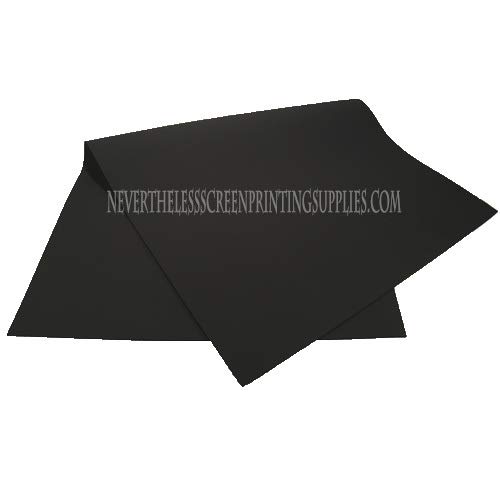
For users employing vacuum exposure systems, this neoprene blanket serves as a replacement part, ensuring a tight seal and uniform pressure during exposure. The blanket is sized at 40″ x 50″ and fits typical vacuum exposure units, contributing to consistent results in a darkroom or dedicated exposure space. It’s a practical accessory for maintaining long-term device performance and screen quality.
Buying Guide: Key Considerations When Selecting an Exposure Unit
- Wavelength and power: Most screen printing emulsions cure effectively with 395 nm LEDs. Higher wattage can shorten exposure times but may require careful heat management.
- Exposure time accuracy: A timer or adjustable exposure window helps reproduce consistent results across batches. Look for models offering 1–999 seconds or similar ranges.
- Adjustability: A flexible stand (height, angle, and rotation) helps align the lamp with different screen sizes and emulsion thicknesses, reducing hotspots and dead zones.
- Uniformity and footprint: A broad projection angle (around 120 degrees) and evenly distributed light minimize uneven curing on larger screens.
- Versatility: Some units work for cyanotypes as well as screen printing, which can be a consideration for mixed workflows in small shops or hobby studios.
- Durability and setup: Foldable stands, low assembly requirements, and stable bases are advantageous for frequent use or portable setups.
- Accessories and compatibility: Additional stands, clamps, or wedge calculators can improve workflow efficiency and exposure accuracy.
- Budget vs. performance: Starter options exist with longer exposure times; for higher throughput, consider higher-wattage, timer-enabled units with larger screens.
When evaluating options, consider your typical screen sizes, emulsions, and production volume. A unit that performs well for 10 x 14 or 12 x 16 screens may differ from one designed to handle 20 x 24 frames. Pairing an exposure unit with a reliable exposure calculator and, if possible, a compatible vacuum system buffer blanket can improve consistency and ease of setup in a busy shop.
Leave a Reply