Best First Time Sewing Machines for Beginners: Easy, Safe and Portable Options
Looking for a beginner-friendly sewing machine that’s simple to set up and easy to learn on? This guide highlights five entry-level machines ideal for first-time sewists. Each option emphasizes safety, straightforward operation, and helpful accessories, making them suitable for students, hobbyists, and casual home crafters. The featured picks vary in portability, stitch options, and kit inclusions to fit different needs—from pocket-sized travel machines to bigger beginner kits.
| Product | Best For | |
|---|---|---|
| KPCB Tech Sewing Machine for Beginners [Full Set] | Complete starter kits | Includes finger guard, multiple fabrics and tutorial videos |
| rxmeili Sewing Machine Portable Mini | On-the-go sewing | Dual power modes, lightweight and compact |
| Ninonly Mini Sewing Machine | Desk-friendly quick repairs | Dual speeds and 12 stitches |
| Made By Me My Very Own Sewing Machine | Kids and beginners | Battery-powered with safety features and project guides |
| Verdanika Portable Tabletop Mini | Quiet, compact home use | 12 stitches, two speeds, stable metal frame |
KPCB Tech Sewing Machine for Beginners [Full Set]
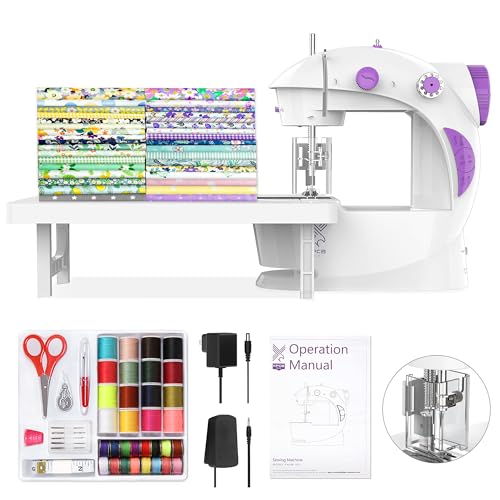
Best for beginners who want a comprehensive starter kit. This machine emphasizes safety and guided learning with a finger guard and multiple speed settings. The included fabric bundles offer hands-on practice right out of the box, which can accelerate skill-building for school projects or home crafts. The tutorial videos provide ongoing inspiration for new projects, helping users progress beyond basic stitches.
Who it’s best for: Students and new sewists who want a full, ready-to-use kit with guided videos and beginner-friendly safety features.
Why selected: The combination of a beginner-friendly design, built-in safety features, and a complete bundle supports quick learning and hands-on practice without needing immediate extra purchases. The slow speed option helps build confidence before moving to standard stitching.
Caution or limitation: The setup relies on the included fabric bundles for initial practice; users seeking only a basic machine without extras may find some bundled content less essential.
rxmeili Sewing Machine Portable Mini
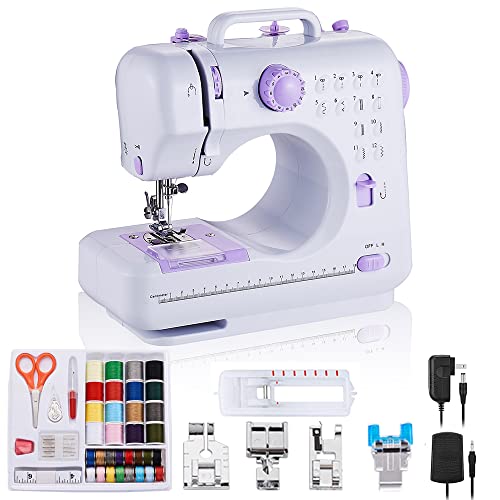
Best for portability and occasional home use. This compact unit weighs about 2.4 kg and travels easily, making it suitable for small living spaces or quick repairs while on the go. It supports dual power modes (AC adapter or batteries) for indoor and outdoor use, with clear threading guidance and a built-in light to improve visibility on darker fabrics. It’s a practical starter for beginners who anticipate sewing in different spaces.
Who it’s best for: Crafters who need a lightweight, battery- or adapter-powered machine for casual projects, travel, or dorm rooms.
Why selected: The dual power option adds versatility for learners who don’t want to rely solely on electricity, and the included threading guidance promotes smoother first projects.
Caution or limitation: Battery operation may limit continuous usage time; avoid using both power modes simultaneously to protect the motor.
Ninonly Mini Sewing Machine

Best for quick, simple repairs and small craft projects. This portable unit offers 12 stitches across 2 speeds and includes an accessories kit to support beginners exploring basic stitching, hems, and decorative styles. The built-in light and easy thread path help learners practice with confidence, making it suitable for desk use and light-duty sewing tasks.
Who it’s best for: Beginners needing a compact machine with essential stitches for home repairs, small projects, and DIY crafts.
Why selected: The combination of two-speed control and a compact kit makes it easy to learn without feeling overwhelmed, while the included accessories support immediate project work.
Caution or limitation: Some users may outgrow it quickly for heavier fabrics or complex projects due to its compact build and limited motor capacity.
Made By Me My Very Own Sewing Machine
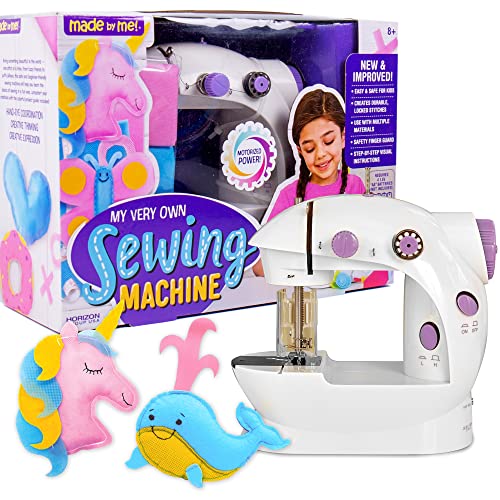
Best for kids and absolute beginners who want a battery-powered option with safety features. This machine includes finger guards, a safety light, adjustable speeds, and pre-threaded bobbins, making it an approachable entry point for young learners or anyone new to sewing. The supplied project-inspired instructions help users complete simple projects and build confidence with each step.
Who it’s best for: Young beginners and families seeking a kid-friendly, self-contained sewing experience with guided projects.
Why selected: The device’s design prioritizes safety and ease of use, with clear, picture-based instructions that help new sewists complete projects successfully.
Caution or limitation: Battery-powered operation may limit run time; ensure fresh batteries for longer practice sessions.
Verdanika Portable Tabletop Mini Sewing Machine
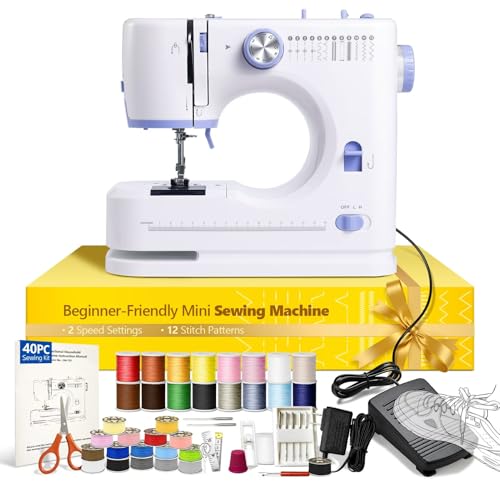
Best for a compact, home-use option with a stable build. This machine offers 12 stitch options and two speeds, suitable for beginner-level projects, hems, and light alterations. Its compact footprint and metal frame provide stability during sewing, while simple dial controls and adjustable tension help learners manage consistent stitches across fabrics like cotton and denim.
Who it’s best for: Home sewers who want a reliable, space-efficient machine for casual projects and alterations, with a stable frame for regular use.
Why selected: The combination of a metal frame for durability, clear stitch options, and adjustable tension supports a steady learning curve without overwhelming the user.
Caution or limitation: It’s best used for lighter to moderate fabrics; thicker materials may require a larger motor capacity.
Buying Guide: Key Purchase Considerations
- What level of portability do you need? If you plan to sew in multiple spaces, a lightweight, battery-assisted model can be ideal.
- Which stitches matter most? For beginners, basic straight and zigzag stitches with simple buttonholes cover most starter projects.
- Safety features matter: Look for finger guards, thread-cutting tools, and clear manuals to reduce mishandling during learning.
- Included accessories: Starter kits with fabric bundles, needles, bobbins, and scissors can jump-start practice.
- Power options: AC power, batteries, or dual modes affect where you can use the machine and for how long.
- Maintenance and support: User-friendly threading paths and accessible replacement parts help sustain long-term learning.
- Space and stability: A small desk-friendly unit with a stable frame is easier to manage for beginners in small rooms or apartments.
Frequently Asked Questions
- Q: Are beginner sewing machines easy to learn? A: Yes. Most entry-level machines feature guided threading, simple controls, and safety features designed for first-time users.
- Q: What should a beginner look for in a kit? A: Look for basic stitches, a clear instruction manual, safety features, and included accessories like bobbins and needles.
- Q: Can a mini sewing machine handle regular repairs? A: For light repairs and simple crafts, yes. Heavy fabrics or advanced projects may require a larger machine.
- Q: Is battery power practical for beginners? A: Battery power supports portability, but plan for shorter sessions and plan charging intervals if using batteries often.
- Q: How important is the motor strength for beginners? A: A moderate motor helps with thicker fabrics or longer seams, but beginners typically start with lighter materials and progress gradually.
- Q: Do beginner machines come with safety guides? A: Most do, including finger guards, pre-threaded components, and illustrated manuals to support new users.
Leave a Reply