Best Gel Medium for Photo Transfer: Top 5 Picks for DIY Projects
If you’re looking to transfer photos or artwork onto wood, canvas, or other surfaces, a gel medium is essential. This guide highlights five gel mediums best suited for photo transfer, helping you choose by surface, finish, and working time. Ideal buyers include crafters seeking durable decals, artists layering textures, and DIY enthusiasts creating personalized gifts. Below is a quick comparison table of the selected products to aid your decision.
| Product | Best For | Finish |
|---|---|---|
| Mod Podge Photo Transfer Medium (8-Ounce), CS15067 | General photo transfers on multiple surfaces | Smooth satin finish |
| Photo Phlatts Photo Transfer Medium Gel (8oz) | Professional-looking transfers on wood and hard surfaces | Clear, durable finish |
| Liquitex Professional Matte Gel Medium (8 oz) | Fine art projects with matte look | Translucent when wet, matte when dry |
| Rust-Oleum Photo Transfer Medium (8 oz) Matte | Home décor and gifts on various surfaces | Matte finish |
| Photo Phlatts Photo Transfer Medium Gel (16 oz) | Larger projects and extended use | Clear, uniform results |
Mod Podge Photo Transfer Medium, 8-Ounce

Best for beginners and hobby crafters who want a straightforward transfer process. This medium is designed to apply to photocopies and various surfaces, with a creamy texture that brushes or sponges smoothly. It works well with dry toner printer images and is suitable for wood, fabric, paper, canvas, terra cotta, and more. Use it to create decals, appliques, or personalized decor. A caution: ensure even coating to avoid streaks on dark surfaces.
Photo Phlatts Photo Transfer Medium Gel (8oz)

Best for projects emphasizing professional results on wood and other hard surfaces. The product highlights consistent, vibrant transfers and is commonly paired with laser-printed images for best results. It’s a reliable choice for gifts, signs, or keepsakes. Limitation: results are highly dependent on image type and printer method; laser prints tend to yield more reliable transfers.
Liquitex Professional Matte Gel Medium, 237ml
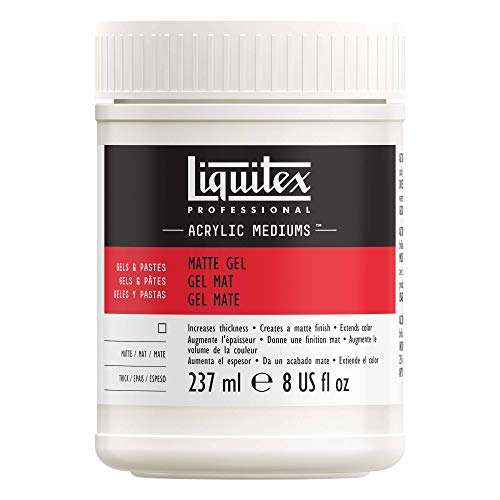
Best for artists seeking a matte finish with strong pigment retention for mixed-media work. This gel dries translucent with a satin/matte finish and has a body similar to Liquitex Heavy Body Paint, making it suitable for layering while maintaining brushstroke texture. Caution: it is primarily a matte glaze; depth of image transfer may vary compared to glossy options.
Rust-Oleum Photo Transfer Medium, 8 oz (Matte)
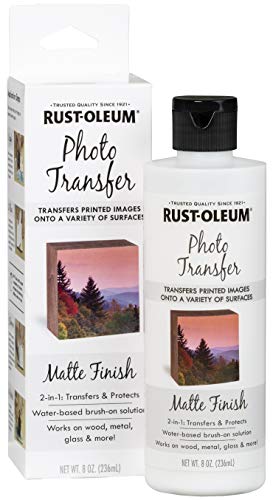
Best for DIY décor projects seeking a matte finish on diverse surfaces. This transfer medium is designed to apply directly to printed images and press onto the final surface to transfer as it dries. The product notes that it covers up to 21 sq. ft. per bottle after drying. Limitation: drying time and transfer quality can vary with surface texture and image type.
Photo Phlatts Photo Transfer Medium Gel (16 oz)

Best for large-scale projects or repeated use. The 16 oz size provides a longer supply for ongoing crafts. It promises beautiful, consistent results on wood, canvas, and other hard surfaces. Best to pair with laser prints for optimum clarity; avoid non-laser prints for best results.
Buying Guide
What should you consider when choosing a gel transfer medium?
- Surface compatibility: Most gels work on wood, canvas, paper, fabric, and some metals. If your project involves dark surfaces, check whether the gel dries clear or requires a varnish step.
- Finish: Matte versus satin or gloss finishes affect the final look. Matte gels are ideal for vintage or subtle looks, while gloss can enhance photo sharpness and depth.
- Image source: Laser-printed images typically yield crisper transfers. If you don’t have a laser printer, choose a product that performs well with inkjet or photocopied images, or consider cost-effective laser printing options.
- Drying and curing: Some products require drying times and additional sealing. Plan your project timeline accordingly and be aware of potential yellowing on certain surfaces.
- Consistency and texture: For dimensional artwork, a gel with thicker body can maintain brush strokes and textures, while a lighter gel is easier for smooth, decal-like results.
FAQ
- What is a gel medium used for photo transfer?
A gel medium acts as an adhesive and carrier to transfer printed images onto a new surface, often providing a protective finish and texture when dry.
- Can I use any printer for photo transfer?
Laser-printed images generally yield better transfers. Some gels work with inkjet images, but results may vary; test a small area first.
- Do gel transfers require a sealant?
Many projects benefit from a sealer or varnish to protect the transferred image, especially on furniture or outdoor pieces.
- Is matte or glossy finish better for photos?
Matte finishes reduce glare and are ideal for vintage or subtle looks, while gloss can enhance color vibrancy and sharpness.
- How long does a transfer take to dry?
Drying times vary by product and environment. Follow the product instructions for curing before sealing or applying additional layers.
- Can I reuse leftovers for another project?
Most gels are single-use when opened, but you can reseal and store unused portions if the container is airtight and kept away from heat and moisture.
Leave a Reply