Best Glazing Mediums for Oil Painting: Enhance Flow, Transparency, and Drying Time
Answer: For oil painters seeking smoother glazes, improved flow, and predictable drying times, use dedicated glazing or alkyd mediums to extend workability without sacrificing color depth. This guide highlights top options for traditional oil glazing and alkyd-based glazing, explaining who each product suits best and when to choose or avoid them.
| Product | Best For | Key Benefit |
|---|---|---|
| Winsor & Newton Blending & Glazing Medium | Blending and glazing with slow-dry oil colors | Slows drying; great for layer blending |
| PHOENIX Fast Drying Oil Medium | Fast-drying oil glazing | Accelerates drying; improves flow and gloss |
| PHOENIX Stand Oil | Smooth, high-gloss glazes | Thick, honey-like viscosity; precise control |
| Cobra Glazing Medium | General glazing with increased flow | Increases gloss and transparency |
| Gamblin Galkyd Painting Medium | General alkyd-based glazing | Speeds drying while adding binder |
Winsor & Newton Blending & Glazing Medium
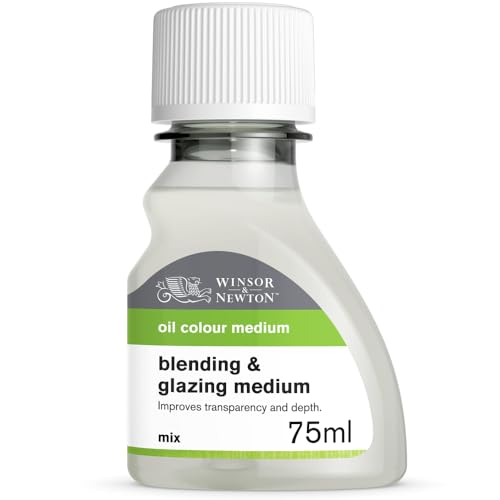
Best for: Artists who blend and glaze with traditional oil colors. This medium reduces pigment consistency and slows drying, enabling extended blending time and smooth transitions. It performs well when used as part of a 1-2-4 medium approach for glazing, blending, and staining.
Why selected: It directly targets glazing needs by extending open time and improving control during delicate glaze applications. It is suitable for artists who prefer hands-on control over the glaze layer while maintaining color integrity.
Caution: For finishes requiring rapid layering, this medium may extend drying beyond your planned timeline. Plan light layers accordingly to avoid muddying colors.
Liquitex Professional Fluid Glazing Medium (473ml)
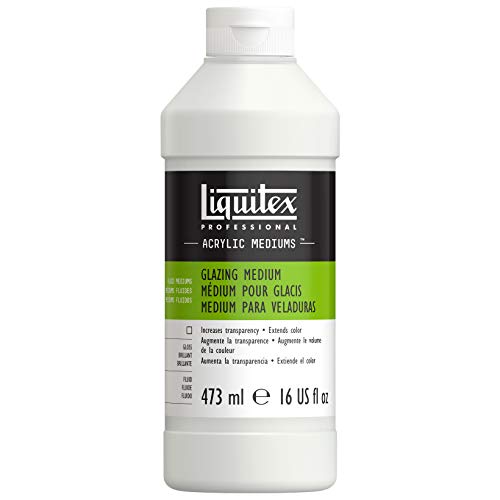
Best for: Oil painters who cross over to acrylic glazing with a strong glaze system. Although this item is acrylic-based, it represents the broader glazing medium category and helps compare flow, leveling, and transparency characteristics when glazing with acrylic over or beneath oil layers in mixed-media workflows.
Why selected: Not a direct oil medium, but useful for contrast when mixing media in studio practice. It provides jewel-like glazes with excellent brushability and a water-resistant finish after it dries, offering a benchmark for glazing behavior across media.
Caution: Do not apply to oil paints expecting the same drying regimen as oil-based glazing. Work within acrylic workflows and compatibility guidelines.
PHOENIX Fast Drying Oil Medium

Best for: Artists who want faster layering in oil glazing without sacrificing flow. This alkyd-based medium accelerates drying, enabling quicker completion of glazes and layers while preserving color intensity and gloss.
Why selected: The premium alkyd resin formula provides reliable glazing performance with a smoother brush stroke, ideal for artists who need speed and control in glazing sequences.
Caution: Faster drying may reduce open time in very thick layers. Use in moderation for longer glazes and consider combining with slower mediums for extended manipulation.
PHOENIX Stand Oil

Best for: Purists who want a high-gloss, slow-drying glaze that preserves pigment clarity. Stand oil offers a generous flow, enabling precise, even glaze layers with minimal brush marks.
Why selected: It uses 100% pure linseed oil with a honey-like viscosity, making it ideal for controlled glazing and detailing where a smooth, buttery application is desired.
Caution: Stand oil can prolong overall drying time in thick applications. Apply thin layers to maintain predictability in the glaze schedule.
Cobra Glazing Medium 092 (250 ml)

Best for: General glazing with increased flow, gloss, and transparency. This medium facilitates smoother brushwork and helps create luminous, layered glazes.
Why selected: It emphasizes the practical glazing benefits of alkyd- or resin-based formulations that improve openness and glaze quality without sacrificing pigment strength.
Caution: The description notes that mediums can affect paint properties; test on small areas to ensure the glaze remains compatible with your pigments and final varnish.
Gamblin Galkyd Painting Medium (4 oz)
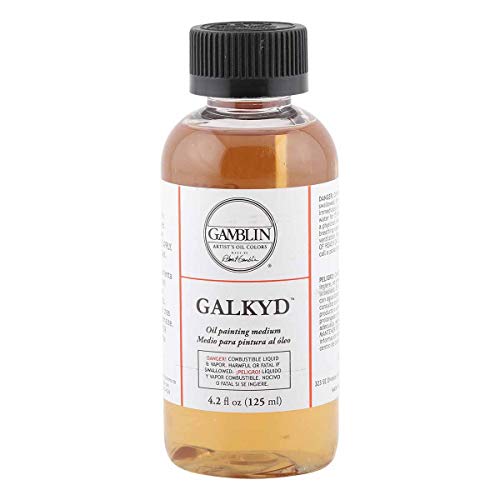
Best for: Oil painters seeking a reliable alkyd-based glazing medium that speeds drying and adds binder for sturdier glaze layers. Popular for glazing with consistent results.
Why selected: The formulation elevates binder content and accelerates drying, helping artists build layered glazes more efficiently while retaining pigment integrity.
Caution: Faster drying times require careful timing to avoid overly stiff glaze layers in detailed work.
Buying Guide
- Oil vs. Alkyd vs. Acrylic Glazing: Choose oil-based mediums when you want extended open time and lush, traditional glazing. Alkyd-based options provide faster drying and more durable glaze layers, good for time-sensitive work. Acrylic glazing mediums, while not oil-based, offer a different workflow and must be used accordingly in mixed-media contexts.
- Open Time and Drying Speed: If you need long blending periods, select slow-drying mediums. For quicker layering, opt for fast-drying formulas like alkyd-based options, but plan batches to avoid muddy colors.
- Gloss and Transparency: Glazing relies on high gloss and strong transparency. Look for mediums that explicitly promote gloss, clarity, and light transmission in the glaze layer.
- Pigment Compatibility: Some mediums alter flow and pigment strength. Always test a small amount with your primary pigments to confirm color fidelity and drying behavior.
- Brushability and Application: For smooth, even glazes, select mediums designed for superior brush flow and leveling. If you prefer minimal brush marks, choose slower mediums with good leveling properties.
- Storage and Handling: Use airtight containers and store away from heat. Some alkyd-based mediums can yellow over long periods if exposed to air and light; keep containers sealed when not in use.
FAQ
- What is a glazing medium in oil painting? A glazing medium is a liquid additive mixed with oil colors to increase transparency, control drying time, and improve flow for glaze layers.
- When should I use a fast-drying glazing medium? Use fast-drying glazing mediums when you need to complete layers quickly or build up layers in a shorter timeframe, especially for large or time-sensitive works.
- Can I mix different glazing mediums? Yes, many artists blend mediums to tailor open time, gloss, and flow. Test mixtures on a sample area before applying to the final piece.
- Is stand oil suitable for all glazing techniques? Stand oil provides a smooth, high-gloss glaze with slow drying. It is best for controlled glazing and detailing but may extend overall drying time in thicker applications.
- Do glazing mediums affect color intensity? Some glazing mediums can slightly affect color saturation or transparency. Start with small tests to ensure your glaze maintains the desired color depth.
- Are these mediums safe for studio use? Most listed products conform to standard safety guidelines for art mediums. Always follow manufacturers’ handling and ventilation recommendations when using solvents or resin-based products.
Leave a Reply