Best Glue Options for Bonding HDPE to PVC and Similar Plastics
When bonding HDPE to PVC, choose adhesives that provide a strong, flexible, and watertight bond while accommodating the different plastic chemistries. This guide highlights five suitable glue options and explains who each is best for, plus practical cautions. Whether you’re repairing pipes, tarps, vinyl items, or PVC fittings, the right adhesive can prevent leaks and failure.
| Product | Best For | Key Benefit |
|---|---|---|
| ARVYNE PVC Cement | PVC pipe and fittings up to 6″, vinyl repairs | Fast-drying, waterproof seal |
| ROFPM PVC Cement | PVC pipes, inflatables, vinyl products | High strength, flexible, pressure-resistant |
| HH-66 Toluene Free Vinyl Cement | PVC vinyl repairs, tarps, pool liners | Safer (toluene-free) with underwater capability |
| Hzutloer Polyurethane Adhesive | PU/PVC/ABS and related plastics | Fast-drying, water- and heat-resistant |
| Hzutloer ABS Super Glue | ABS, PVC, model components | Strong instant bond with built-in brush |
ARVYNE PVC Cement 4 Oz

Best for: PVC pipe and vinyl repairs where a fast seal is needed. ARVYNE claims fast-drying, waterproof seals that withstand typical DIY and professional repair scenarios. It’s a solid choice when working with PVC pipes up to about 6″ and when you need a reliable, watertight joint quickly.
Why selected: The product is designed to weld PVC pipe and fittings with a waterproof finish, helping create durable joints in plumbing or inflatable assemblies. It suits builders and homeowners tackling pool liners, vinyl patches, or lightweight piping where a strong bond is required in a short time.
Caution: It may require clean, dry surfaces for best results and should be used in well-ventilated areas. Not all HDPE-to-PVC configurations are guaranteed compatible; some HDPE-to-PVC setups may benefit from mechanical fasteners or alternative adhesive systems.
ROFPM PVC Cement

Best for: PVC pipes, inflatables, and vinyl products requiring a robust, flexible seal. ROFPM emphasizes high-strength bonding with water resistance and pressure tolerance, making it a practical option for plumbing projects or vinyl fabric repairs.
Why selected: This cement targets permanent, secure connections on PVC and vinyl materials, delivering a seal that resists environmental exposure. It helps avoid brittleness on joints that may experience movement or pressure.
Caution: As with most solvent-based cements, ensure adequate ventilation and surface cleanliness. HDPE-to-PVC bonding may require preparation or alternative fastening if surfaces do not weld well.
HH-66 Toluene Free Vinyl Cement
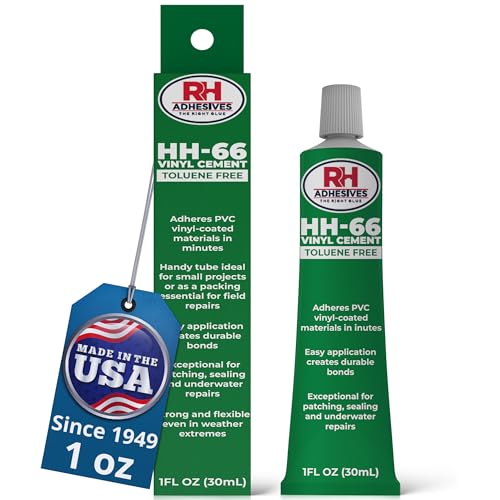
Best for: Vinyl repairs, tarps, pool liners, and inflatable vinyl items where a flexible, underwater-capable bond is needed. The toluene-free formulation reduces exposure while remaining strong and adaptable to flexing surfaces.
Why selected: It penetrates vinyl and PVC surfaces to form a resilient, flexible bond that resists cracking. It’s particularly useful where liquids or moisture are present during or after application.
Caution: While versatile, it is primarily formulated for vinyl and PVC fabrics; for rigid PVC piping, consider a cement designed specifically for pipe joints.
Hzutloer Polyurethane Adhesive
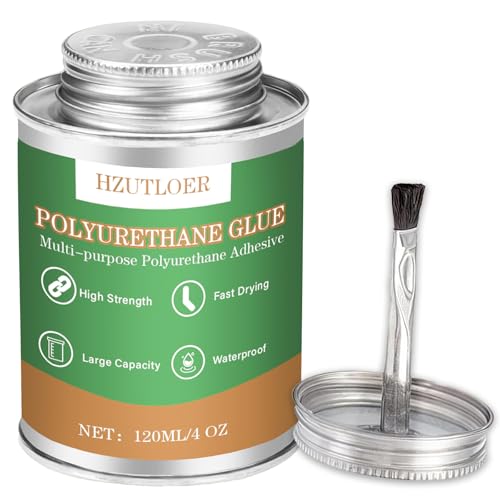
Best for: PU, PVC, TPU, ABS and other plastics; ideal for projects requiring a strong, flexible, durable bond under varying conditions. Suitable for bags, leather goods, and inflatable items where moisture and temperature vary.
Why selected: This polyurethane glue provides a fast-drying, heat- and water-resistant bond with a brush applicator for precise placement. Its broad compatibility makes it a flexible option when HDPE-to-PVC connections are part of mixed-material assemblies.
Caution: Cure times and surface prep are important; follow instructions for optimal adhesion and avoid applying on non-porous surfaces where the solvent needs to evaporate properly.
Hzutloer ABS Super Glue

Best for: ABS, PVC, PS, and model components requiring instant bonding. The built-in brush aids precise application while delivering fast strength for small joints or repairs.
Why selected: When quick assembly or repair is needed on small HDPE-to-PVC interfaces that can tolerate an immediate bond, this product offers convenience and rapid strength buildup.
Caution: Super glue bonds can be brittle under flexing or high-stress conditions. Use where joints are relatively stationary or supported to reduce stress on the bond.
Buying Guide: Choosing The Right Glue For HDPE To PVC
What type of bond do you need? If you require a chemical weld-like joint for PVC pipes, solvent-based cements (like ARVYNE or ROFPM) are common choices. For vinyl fabrics and flexible seams, look to vinyl cements such as HH-66 TF that endure movement and moisture.
Is portability or surface area a factor? For large surfaces or areas requiring a broad spread, polyurethane glues (like Hzutloer) offer strong, flexible bonds across multiple materials and translucency considerations.
What about safety and environmental concerns? If you prefer a toluene-free option and underwater capabilities, HH-66 TF provides a practical balance of performance and lower solvent exposure.
Surface preparation matters. Clean, dry surfaces yield better adhesion. For HDPE-to-PVC, consider mechanical fastening in addition to adhesive bonding if the joint will experience significant stress or pressure.
Application and cure times vary. Some products cure quickly and allow handling in minutes, while others require longer sets. Follow manufacturer instructions for temperature, humidity, and curing conditions to maximize bond strength.
FAQ
- Can I glue HDPE directly to PVC with these cements? Some cement types are formulated for PVC and vinyl surfaces. HDPE bonding may require surface roughening, primers, or alternative adhesives designed for polyethylene.
- Which product is best for underwater repairs? Toluene-free vinyl cements with underwater capability (like HH-66 TF) are designed for wet or submerged repairs on vinyl surfaces.
- Is glue for PVC pipes the same as glue for PVC tarps? Not always. Pipe cements prioritize joint strength and water seals; tarp or vinyl adhesives emphasize flexibility and tear resistance.
- Do these adhesives require ventilation? Yes. Solvent-based cements and polyurethane glues emit vapors; use in well-ventilated areas.
- Can I use a UV-curable adhesive for HDPE-to-PVC? UV-curable options are less common for HDPE-to-PVC pipe joints; check product specifications for material compatibility and cure methods.
- Should I rely on adhesive alone for high-stress joints? For high-stress or pressure-bearing joints, combine adhesive bonding with mechanical fasteners or clamps to ensure reliability.
Leave a Reply