Best Glues Safe for Styrofoam: Foam-Friendly Adhesives for Crafting and Repairs
Styrofoam crafts and models require special adhesives that won’t eat or dissolve foam. The following picks are foam-safe, quick-setting, and suitable for EPS, XPS, and similar materials. Each option provides strong bonding while avoiding common foam-dissolving solvents. The list focuses on products designed for foam projects and everyday hobby tasks, with emphasis on clean application and reliable performance.
| Product | Brand | Key Benefit |
|---|---|---|
| BSI-139H Clear Super-Gold Odorless Foam Safe | Bob Smith Industries | Odorless, fast-bonding foam-safe glue |
| StyroGoo Instant Tack | Hot Wire Foam Factory | Instant tack; bonds foam to wood, metal, glass |
| Ceoighe 4 OZ Foam Glue | Ceoighe | Foam-safe with built-in brush for precise repair |
| OverZyn Foam Glue | OverZyn | Transparent, quick-drying for various foams |
| Great Planes Pro Foam Safe CA Thin Glue | Great Planes | Foam-safe cyanoacrylate with instant bond |
BSI-139H Clear Super-Gold Foam Safe Glue
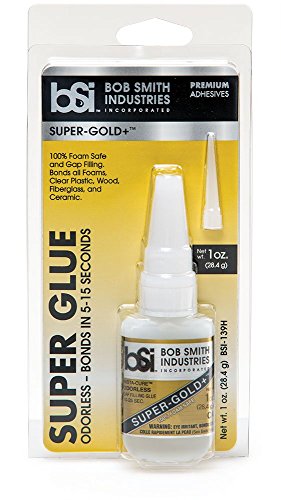
Bob Smith Industries offers a 100 percent foam-safe formula that is odorless and designed for quick bonding. It claims a 5-15 second gap-filling bond, making it suitable for precise foam assemblies and rapid prototypes. The adhesive is described as odorless and easy to apply, reducing nuisance during craft sessions or model building. Consider compatibility with non-foam materials in mixed-material projects when planning usage.
Hot Wire Foam Factory StyroGoo Instant Tack
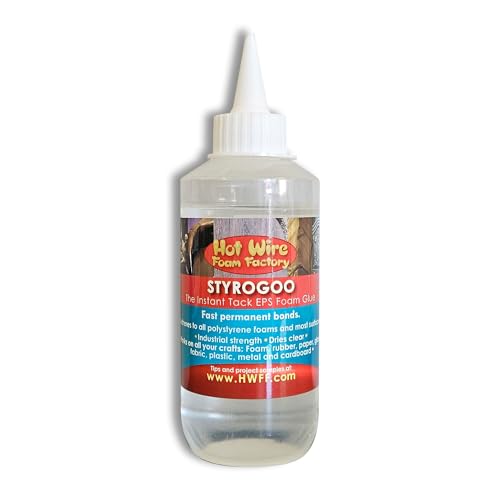
StyroGoo Instant Tack provides an immediate strong bond on EPS and other foam types, with versatile application for foam, paper, fabric, wood, plastic, and more. It dries clear and offers industrial-strength adhesion, making it ideal for crafts, props, and model work where quick, clean setup matters. For projects involving delicate foam assemblies, test on a small area first to ensure compatibility with other materials.
Ceoighe 4 OZ Foam Glue With Brush Cap

Ceoighe’s foam-safe adhesive is designed for RC aircraft and various foam models (EPP, EPO, EPS) and supports precise bonding with a built-in brush. It cures quickly and is waterproof and UV-resistant once fully cured. The product notes some odor during use and a darker yellow color, so ensure adequate ventilation and keep the bottle capped when not in use. Suitable for detailed or wing-area repairs where foam integrity matters.
OverZyn Foam Glue

OverZyn Foam Glue emphasizes a foam-specific formula that minimizes foam dissolution and provides a balance of tack and final strength. It is easy to apply and dries to a transparent finish. The product is aimed at DIY crafts and projects using foam and sponge materials, offering reliable adhesion with simple handling for hobbyists and teachers alike.
Great Planes Pro Foam Safe CA Thin Glue

Great Planes offers a foam-safe cyanoacrylate adhesive that provides an instant bond for tight-fitting parts. It is designed to be odorless and non-fuming, making it suitable for classroom or hobby settings where foam projects are prevalent. This option is ideal for quick assembly tasks such as wing joints, fuselage seams, and other precise foam connections, with attention to safe handling and ventilation.
Buying Guide: Foam-Safe Glue For Styrofoam
When selecting a foam-safe glue for Styrofoam, consider the following factors to ensure reliable performance across different projects:
- Foam compatibility: Verify the adhesive is labeled foam-safe for EPS/XPS to prevent dissolution or warping of foam surfaces.
- Bonding speed: For rapid prototyping, choose fast-tack formulations; for delicate or large assemblies, look for extended work times or repositioning capabilities.
- Bond strength and elasticity: Some foams benefit from a flexible bond to absorb stress; others require rigid bonds for precision parts.
- Application method: Brushes, tips, or spray options affect precision and cleanliness; consider built-in applicators for small joints.
- Odor and fumes: Odorless or low-odor formulas are preferable for indoor projects and classrooms.
- Water resistance and cure time: If the project will be exposed to moisture, select waterproof or UV-resistant options with clear curing timelines.
- Material compatibility: For mixed-material assemblies (foam with wood, metal, plastic), ensure the adhesive adheres well to all involved substrates.
- Safety and cleanup: Non-toxic, easy cleanup with water and proper ventilation reduce hazards for hobbyists and students.
In practice, always test a small foam sample before committing to a large build, especially when combining foam with paints, coatings, or non-foam substrates. For display items or structural props, prioritize stronger bonds and consider supplemental mechanical fasteners for added safety. If odor sensitivity is a concern, opt for odorless formulas and ensure adequate ventilation during application and curing.
Leave a Reply