Best Hairline Fly Tying Materials for Crafting Realistic Flies
For anglers and hobbyists, selecting quality hairline fly tying materials can make the difference between a weekend catch and a day of practice. This guide highlights five top picks that cover dubbing, shells, bucktails, and complete kits from Hareline and TIEMCO. Each product is chosen for reliability, readability, and practical use in a variety of fly patterns. Use the linked product pages to compare specs and patterns, and consider how color, texture, and material type align with your favorite waters and target species.
| Product | Brand | Key Features |
|---|---|---|
| Hareline Fly Tying Material Kit | Hareline Dubbin | Premium materials, hooks, Veevus threads; full-color 60-page guide with 20 patterns |
| TIEMCO Fly Material Hairline Dubbing, UV Polar Chenille, Brown | ティムコ(TIEMCO) | Medium size, Polar Chenille texture, brown color |
| Hairline Kiley’s Nymph Skins (Natural Latex) | Hairline | Colored bodies and shellbacks; versatile for nymph patterns |
| TIEMCO Fly Material Hairline Dubbing, Ice Dubbing, Golden Brown | ティムコ(TIEMCO) | Ice dubbing with golden brown hue |
| TIEMCO 2FF Hairline Dubbing, Fly Foam, #369 Tan | Hareline | Foam-backed dubbing; color Tan, compact for various patterns |
Hareline Fly Tying Material Kit
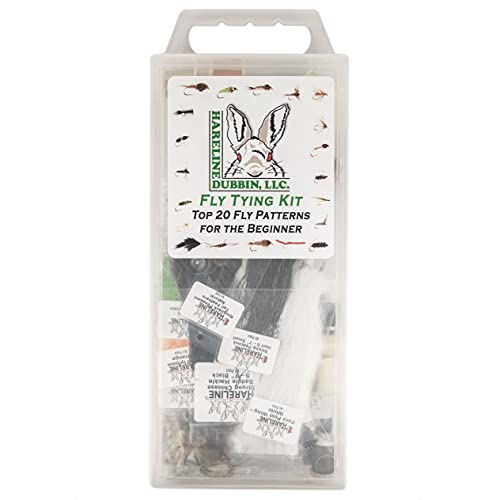
The Hareline Fly Tying Material Kit combines essential fibers, threads, and hooks with a comprehensive learning resource. This kit is designed for beginners and seasoned tiers alike, providing high-quality materials that cover a broad range of common fly patterns. The included full-color, 60-page guide offers 20 fly patterns with step-by-step instructions, enabling consistent reproduction of proven designs. The materials are selected for compatibility with a variety of classic and modern tie methods, helping users experiment with texture, color, and silhouette.
Key advantages include a balanced assortment of dubbing, fibers, and threads that complement body, wing, and tail construction. The full guide supports self-paced practice, allowing a tier to learn technique while building confidence with real-world patterns. For anglers who want a one-stop package, the Hareline kit reduces the need to source individual items from multiple vendors and provides a structured path from beginner to intermediate crafting. The kit’s color and material range supports both trout and panfish patterns, depending on the chosen materials.
Overall, this kit is well-suited for hobbyists seeking a reliable, all-in-one solution with a solid educational component. Users should consider their preferred patterns and whether the included materials align with those designs. If you anticipate transitioning to more specialized materials, the kit serves as a strong foundation and a reference point for future purchases. The instruction book can complement hands-on practice and help develop a consistent tying workflow.
TIEMCO Hairline Dubbing UV Polar Chenille, Brown

TIEMCO’s Hairline Dubbing in UV Polar Chenille offers texture with a polar sheen that can help create lifelike bodies and segmented profiles. The product’s size is listed as Medium, and the brown color (#40) is a versatile shade suitable for many aquatic environments. Dubbing is a common choice for thoraxes, bodies, and ribbing in both freshwater and saltwater patterns. The UV polar component can enhance visibility under certain lighting, contributing to pattern realism in the water column. This material pairs well with a variety of thread types and can be used to achieve a tapered, durable body that holds shape over multiple casts.
When selecting dubbing, consider the water conditions you fish in and the target species. Beachside streams and clear rivers benefit from subtle, natural tones, while faster currents may warrant slightly brighter hues to maintain silhouette. TIEMCO’s dubbing tends to perform consistently across a range of common trout and panfish patterns, making it a dependable option for regular tie-ins and practice sessions. As with all dubbing, proper palming and dubbing technique affect overall head density and pattern silhouette.
In practice, users typically combine this dubbing with a compatible shellback or ribbing to emphasize segmentation and three-dimensional form. It can be applied to simulate segmented mayflies or burly stonefly patterns, depending on grip and wrap technique. The polar chenille texture adds a reflective quality that can help patterns catch light, potentially improving water-surface visibility in dim conditions. For anglers building a pattern portfolio, this dubbing broadens color and texture options without requiring multiple specialized materials.
Hairline Kiley’s Nymph Skins (Natural Latex)

Hairline Kiley’s Nymph Skins Natural Latex offer versatile options for bodies, wing cases, and shellbacks. The natural latex material provides elasticity and a lifelike sheen, which can contribute to realistic nymph profiles across several species. The SKU notes that the skins are available in multiple colors, enabling a range of color combinations for different water colors and light conditions. These skins are commonly used for midsection builds and can be paired with dubbing, thread wraps, or ribbing to achieve a segmented, durable construction.
Color management is essential when utilizing latex skins. Lighter or more translucent skins may require careful trimming to avoid bulk in tight thorax areas. Some tiers prefer pairing latex skins with synthetic or natural shell materials to achieve variation in translucency and texture. As a body component, Kiley’s Nymph Skins shine in nymph-and-emergence patterns where a natural, tapered silhouette helps mimic real aquatic stages. This product is especially useful for tiers focusing on classic mayfly and stonefly nymph designs, as well as emergent nymphs that rely on precise body shaping.
Overall, these skins provide a reliable option for constructing durable, flexible bodies with a natural look. They pair well with dubbing for thorax work and can be trimmed to fit specific fly sizes. For tiers exploring a broader color palette, the availability of multiple colors expands pattern versatility while maintaining a latex-based base for reliable performance under varied fishing conditions.
TIEMCO Hairline Dubbing Ice Dubbing Golden Brown

TIEMCO’s Ice Dubbing in Golden Brown offers a distinctive color and texture suitable for classic terrestrial and aquatic patterns. The Golden Brown shade (#157) is a versatile choice for natural-toned bodies and segmented patterns, particularly in trout and warmwater applications. Ice Dubbing is designed to provide a dense, winter-ready body that maintains shape during tying and casting. This product is compatible with a range of thread types and can be used to build robust thorax sections that resist flattening during tying pressure.
Professional tiers often use ice dubbing to add bulk and a clean transition between body sections. The texture can hold color and shape well when applied with proper dubbing techniques, ensuring a smooth taper from bend to thorax. When selecting dubbing colors, consider water clarity and hatch events; browns and earth tones perform well in stained and river water, while lighter browns may blend better in clearer flows. TIEMCO’s dubbing is widely used in traditional mayfly and caddis patterns, and it supports a range of hairline techniques that emphasize realism in body construction.
For builders seeking consistent results, the golden brown hue offers a practical middle ground between dark and light browns. The dubbing’s composition supports reliable palming and wrapping, aiding in the creation of durable, lifelike bodies. This option is well-suited for tiers aiming to reproduce classic stonefly or nymph patterns with a natural, understated appearance.
TIEMCO 2FF Hairline Dubbing, Fly Foam, Tan

TIEMCO’s 2FF Hairline Dubbing with Fly Foam in Tan (#369) combines dubbing with a foam backing, designed to provide buoyancy and a compact body profile. The Tan color offers a versatile base for a variety of patterns, particularly those needing a lighter body tone. The foam backing can assist in shaping and maintaining a precise silhouette, reducing bulk in shoulder areas and aiding in floatation for dry-fly-inspired patterns or emergers where buoyant, lightweight bodies are desired.
When tying with foam-backed dubbing, adjust tension and spacing to prevent excessive puff in the thorax region. The 2FF construction supports clean front-to-back transitions when building segmented bodies, wings, or thoraxes. Tiers working with small to mid-size patterns may benefit from the foam’s buoyant properties on subsurface or surface-level patterns, especially in windy conditions where visibility matters. As with other dubbings, practice with sample patterns to master the balance between bulk, durability, and realism.
Overall, this material provides a practical option for those seeking buoyant bodies without sacrificing the detailed finish of traditional dubbing. It enables a broader range of pattern styles, from comparison to dry-fly or nymph-inspired profiles, while keeping the tying process accessible for beginners and seasoned tiers alike.
Buying Guide: Hairline Fly Tying Materials
- Material type and pattern fit: Choose dubbing for bodies and thorax, latex skins for shells and wing cases, and bucktail for tails or accents. Consider whether you need buoyancy, translucency, or texture to mimic the target insect.
- Color and water conditions: Earth tones suit clear and stained waters, while brighter hues aid visibility in low light. Match color with hatch timing and species behavior for better realism.
- Texture and durability: Dubbing and foams vary in density. Heavier densities support robust patterns, while lighter textures excel in delicate, translucent designs.
- Pattern versatility: Kits offering comprehensive guides help expand practical repertoire. Add-on materials from reputable brands promote consistency across patterns.
- Maintenance and storage: Organize materials to prevent moisture damage and color bleed. Use dedicated containers for dubbing, skins, and foams to maintain material integrity over time.
- Practical testing: Build a small portfolio of patterns to evaluate how each material behaves under real fishing conditions. Note how bodies, wings, and shells interact with water and light.
Leave a Reply