Best High Density Latex Foam Cushions for Comfort and Durability
High density latex foam tops the list for durable seat cushions, offering lasting support, better air flow, and a firmer feel that resists sagging over time. This guide aggregates five top-rated options from trusted brands, emphasizing density, recovery, and overall suitability for chairs, sofas, and DIY upholstery projects. Each selection is evaluated for firmness, recovery rate, and fabric friendliness to help American shoppers choose cushions that stay comfortable longer and maintain shape under heavy use.
| Product | Brand | Key Benefit | Approx. Size |
|---|---|---|---|
| Turmerry – Latex Seat Cushion | Turmerry | Perforated for airflow; long-lasting firmness | 20″ x 20″ x 4″ |
| FoamTouch High Density – 3″ Thick | FoamTouch | USA-made; durable 1.8-44lb foam | 3″ x 22″ x 22″ |
| FoamTouch – 3″x 24″x 72″ | FoamTouch | High density with 100% recovery; versatile length | 3″ x 24″ x 72″ |
| FOAMYFOAM – 4″ Thick Cushion | FOAMYFOAM | Long-lasting; wide size options | 4″ x 24″ x 24″ |
| GoTo Foam – 2″ x 24″ x 72″ | GoTo Foam | Made in USA; Certipur; firm density | 2″ x 24″ x 72″ |
Buying these cushions involves balancing density, firmness, and intended use. The selections below provide a spectrum from latex-focused comfort to high-density polyurethane options that excel in durability and shape retention. Consider chair usage, whether you need a seat, back, or bench cushion, and the desired thickness to determine the best fit for your space and activity level.
Turmerry Latex Seat Cushion – 20″ Square

The Turmerry cushion uses high-density latex foam designed for seating comfort with breathable perforations to promote airflow and cooling during long sits. Its 20″ x 20″ x 4″ dimensions fit most standard chairs, offering a balance of support and comfort. The perforation pattern helps reduce heat buildup, beneficial for warmer climates or users who sit for extended periods. As an upholstery option, this cushion can contribute to a more stable seating surface that maintains shape while resisting sag over time.
FoamTouch High Density 3″ Cushion 22″ x 22″

FoamTouch delivers a high-density polyurethane foam with a claimed lifespan of 7-10 years, designed for durable upholstery projects. The 3″ thickness and 22″ x 22″ dimensions target standard chairs and ottomans. While marketed as high density, the product notes indicate the foam is not fire retardant. This option suits users prioritizing long-term resilience and a firm seating feel, ideal for high-traffic furniture and replacement cushions that must hold their shape under frequent use.
FoamTouch 3″ x 24″ x 72″ High Density Foam

This long, versatile sheet foam is designed for a variety of seating applications, including oval and round tables, furniture cushions, and boat or car cushions. It emphasizes a 100% recovery rate and fire retardant properties, offering a reliable option for projects requiring consistent firmness and quick restoration after compressive use. Its multi-use scope makes it a practical choice for upholsterers seeking one dense foam sheet for several furniture builds.
FOAMYFOAM High Density 4″ Cushion

FOAMYFOAM offers a firmer high-density foam at a 4″ thickness, suitable for replacements on chairs, couches, benches, or other high-use furniture. The product highlights include a 1.8 density and 44 ILD, signaling strong support and good recovery after compression. The brand notes versatility in sizing, with options to request custom cuts, which is advantageous for projects with non-standard dimensions or unique architectural frames.
FoamRush 4″ x 26″ x 30″ High Density Cushion
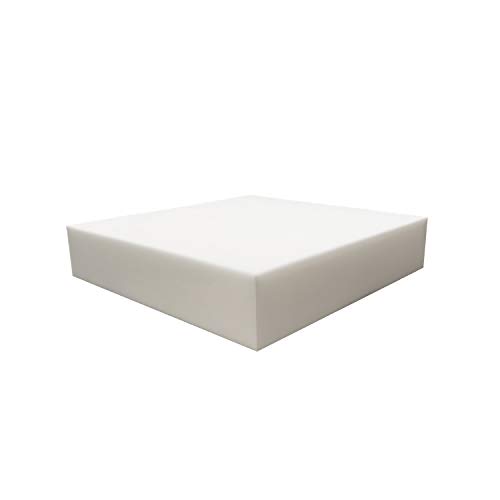
FoamRush emphasizes a dense, US-certified polyurethane foam with a 63 ILD and a 1.8 density. The 4″ thickness and the 26″ x 30″ footprint make it a robust choice for seat cushions on dining chairs or benches that see heavy use. The product profile highlights durability and a long lifespan (7-12 years) for high-traffic furniture, making it suitable for environments where cushions must resist compacting and maintain form over time.
GoTo Foam 1″ x 24″ x 72″ Black Sheet
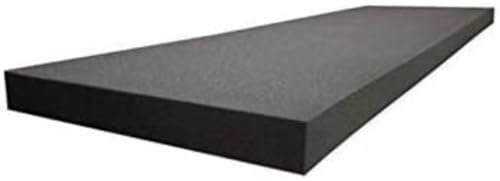
GoTo Foam offers a compact 1.8 density option with a 1″ thickness and a long 72″ length, suitable for backing cushions or as a base layer in more complex upholstery builds. The 43 ILD rating indicates a firm feel appropriate for seat surfaces that require quick recovery and stable support. Made in the USA and Certipur certified, this sheet is ideal for DIY enthusiasts who want precise, cut-to-size foam for custom furniture projects.
Buying Guide: Key Considerations for High-Density Foam Cushions
- Density and ILD: Higher density typically means longer-lasting support, while ILD indicates firmness. For seating that endures heavy use, aim for density around 1.8 with 40-63 ILD, depending on comfort preference.
- Material Type: Latex foam offers natural breathability and resilience; high-density polyurethane foam is often more affordable and versatile, with broad sizing options for DIY projects.
- Recovery and Durability: Look for products advertising fast recovery rates to avoid permanent indentations after regular compression. Certifications (e.g., Certipur-US) signal quality and safety.
- Thickness: Thicker cushions (3″–4″) generally provide more comfort and longer life in high-use scenarios, but should fit the furniture without crowding edges.
- Intended Use: Dining chairs, office chairs, benches, and sofas have different demands. Consider whether you need buoyant support, back support, or a uniform seating surface.
- Ventilation and Comfort: Perforated or layered foams can improve airflow and reduce heat retention, which enhances comfort during extended use.
- Customization: Some brands offer custom cuts and sizes. If you have non-standard dimensions, this can save time and ensure a proper fit.
In selecting high density foam, it is essential to balance firmness with comfort, size, and use-case demands. The options above cover a spectrum from latex-focused cushions to dense polyurethane sheets, each designed to maintain shape and support across different furniture types. For most household needs, starting with a 3″ to 4″ thickness and densities around 1.8 will provide durable support for years of use, while perforated or breathable designs help maintain comfort in warmer environments.
Leave a Reply