Best Kilns for Metal Clay and Related Tools for Creative Fire
Discover top kilns and accessories for metal clay projects, from compact microwave kilns to desktop furnaces. This guide highlights five reliable options, focusing on safety, temperature control, and practicality for both beginners and professionals.
| Product | Type | Key Benefit |
|---|---|---|
| VEVOR Electric Kiln | Desktop Kiln | Precise temperature control for metals and clays |
| Microwave Kiln Kits (TPGIFTING) | Microwave Kiln | At-home glass and clay fusing in a microwave |
| Alolti Microwave Kiln | Microwave Kiln | Professional-grade fusion in home microwaves |
| Stainless Steel Firing Container (PMC) | Firing Container | Safe PMC kiln firing with stainless steel |
| Precious Metal Clay Stove Top Mini Kiln | Stove-Top Kiln | Gas-stove firing for PMC silver/gold clay |
Note: All products listed are suitable for metal clay projects, with varying methods of firing, safety considerations, and setups. Always follow manufacturer guidelines for best results and safety.
VEVOR Electric Kiln For Metal Clay

The VEVOR electric kiln provides a desktop furnace option with a 1500W heating element and a large internal chamber. It offers precise temperature control via a PID digital system, enabling consistent firings for metal clay, glass, and ceramics. Features include even heat distribution, easy-to-read controls, and the ability to handle multiple projects simultaneously. This kiln is suitable for jewelry making and ceramic firing, delivering professional results in a compact footprint.
Microwave Kiln Kits For Jewelry Making (TPGIFTING)
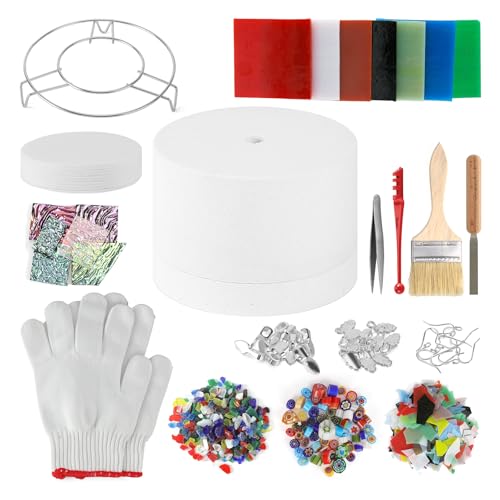
These microwave kiln kits convert a standard microwave into a glass-fusing and clay-firing studio at home. They are designed for adults and emphasize safety, with warnings about high-temperature hazards and dedicated microwave use. The kit is convenient for quick projects, allowing users to fuse glass and polymer clay without a traditional kiln. It’s essential to follow safety guidelines to prevent damage or injuries during operation.
Alolti Microwave Kiln For Clay Pottery

The Alolti microwave kiln is designed to turn a standard microwave into a glass-smashing, clay-melting studio. It promises professional-grade performance capable of reaching high temperatures for authentic pottery results. The kit includes 50 kiln papers and uses high-temperature materials to withstand repeated cycles. Safe handling and adherence to temperature guidelines are critical for reliable results and user safety.
Stainless Steel Firing Container With Lid For PMC

This stainless steel firing container is designed specifically for PMC (Precious Metal Clay) kiln firing. Its compact 3″ diameter and 1.75″ height provide a controlled firing environment with a sturdy lid. The container supports reliable firing cycles for PMC projects and protects surrounding surfaces during the firing process.
Precious Metal Clay Stove Top Mini Kiln Kit

This stove-top mini kiln kit enables firing of PMC silver clay pendants and rings on a gas stove. It includes a tray, mesh ember catcher, and heat distributor for even firing. Guidance suggests monitoring temperatures with a laser gauge and using PMC3 or newer clay formulations for reliable results. Suitable for hobbyists and small-scale production where a dedicated kiln is not available.
Buying Guide: Kiln Options For Metal Clay And Related Projects
- Firing method: Microwave kilns offer at-home convenience for glass fusing and small metal-clay pieces, while desktop electric kilns provide precise temperature control for broader applications, including PMC and general metal clay firings.
- Temperature range: Ensure the kiln reaches the temperatures required for your material (PMC, glass, metal clays). PID controllers and accurate displays aid repeatability and safety.
- Size and capacity: Consider internal chamber space relative to your typical project size. A larger chamber accommodates bigger pieces or multiple items.
- Safety features: Look for protective enclosures, clear operation guides, and high-temperature materials. Microwave kilns require strict adherence to microwave safety rules and adult supervision where appropriate.
- Ease of use: For beginners, microwave kilns or kit-based options can lower entry barriers, while pros may prioritize precise control and faster cycles in electric kilns.
- Materials compatibility: Confirm compatibility with PMC, glass, and general clay formulations. Some containers are designed for PMC firing specifically and may not suit other materials.
- Maintenance: Regular cleaning of shelves and linings, plus proper storage for kiln papers and firing accessories, helps prolong kiln life and maintain consistent results.
- Safety precautions: Always follow manufacturer safety guidelines, wear protective gear, and operate kilns in well-ventilated areas or with appropriate ventilation when required.
Choosing the right kiln setup depends on project scope, space, and budget. For hobbyists focusing on PMC and small metal-clay pieces, a microwave kiln or compact stove-top unit can be an economical entry point. For more consistent results and larger projects, a desktop electric kiln with temperature control offers greater reliability and flexibility. When in doubt, start with a kit or entry-level kiln and scale up as your technique and needs evolve.
Leave a Reply