Best Lead Tin Yellow Oil Paints for Artists
Choosing the right lead tin yellow oil paint can influence color warmth, transparency, and drying behavior across landscapes, portraits, and still lifes. This guide highlights top lead tin yellow options from trusted brands, detailing what makes each one stand out. Whether you’re layering glazes or applying bold strokes, the right pigment will help you achieve consistent color and long-lasting results.
Summary of Selected Products:
- Michael Harding Lead Tin Yellow Light, 40 ml
- Michael Harding Lead Tin Yellow Lemon, 40 ml
- M. Graham & Co. Chrome Tin Yellow
- Michael Harding Lead Tin Yellow Light, 225 ml
- Michael Harding Lead Tin Yellow Lemon, 225 ml
Lead Tin Yellow Light 40 ml — Michael Harding

Michael Harding’s Lead Tin Yellow Light in a 40 ml tube presents the hallmark transparency and brightness associated with high-quality lead-tin formulations. The pigment is known for its warm-yellow undertones that can be built up through glazing or used as a bold foundation for yellow landscapes. The paint’s consistency supports smooth coverage and controlled drying, helping artists achieve nuanced light effects in mixed-media settings while maintaining a classic oil painting aesthetic.
Key features include a compact tube size ideal for studios and travel, with consistent pigment load designed to deliver reliable color from opening to finishing touches. The formulation emphasizes the characteristic warmth of lead tin yellow, making it a solid choice for traditional oil painting techniques where historical pigments are preferred for their tonal richness.
Lead Tin Yellow Lemon 40 ml — Michael Harding

Michael Harding Lead Tin Yellow Lemon in a 40 ml tube offers a slightly cooler, lemon-inflected rendition within the lead-tin spectrum. This pigment variation is prized for its bright, clean yellows that maintain chromatic clarity when layered over warmer underpaintings. Artists often use this shade to model sunlight, citrus subjects, or to create crisp highlights in a limited palette. The tube is designed for precision color control and dependable drying performance suitable for detailed glazing or broad, decisive strokes.
Features emphasize high pigment load and a balanced dispersion that preserves the pigment’s opacity and warmth. In practice, Lead Tin Yellow Lemon can be a versatile middle ground between warm yellows and pale tints, expanding the artist’s range without introducing opaque overpainting issues.
Chrome Tin Yellow — M. Graham & Co.
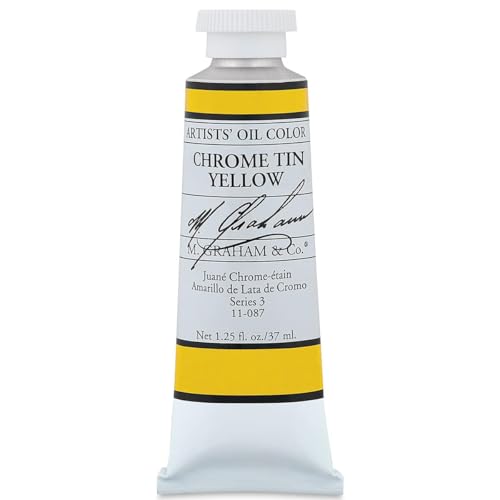
M. Graham Chrome Tin Yellow is a modern alternative in the lead-color family, crafted with walnut oil and a solvent-free approach. This 1.25 oz (37 ml) tube emphasizes rich color payoff with flexible drying times suitable for sessions that require extended blending. The product is designed to deliver stronger, more vibrant hues while staying true to the color’s chroma across layers. Its formulation aims to minimize issues like yellowing or discoloration as the paint cures, preserving the yellow’s warmth within varied lighting conditions.
With increased pigment loads, this color is ideal for artists who want robust, durable yellows in both glazes and impasto applications. The tube-sized packaging makes it convenient for field work or studio use, ensuring consistent performance from start to finish.
Lead Tin Yellow Light 225 ml — Michael Harding
This 225 ml tube from Michael Harding serves artists who require extended sessions or larger works without frequent restocking. Lead Tin Yellow Light in a larger format preserves the same tonal warmth and glazing properties as the smaller tube, enabling broader color fields and longer color-matching sessions. The long-lasting tube size is particularly beneficial for studios or painters working on series pieces where color consistency across canvases matters. Expect safe handling, reliable drying behavior, and a classic lead-tin glow that enhances warm light effects in portraits and landscapes.
As with other Michael Harding lead-tin offerings, the pigment is designed to maintain clarity and intensity over time, resisting natural discoloration that can accompany drying oils. This makes it a dependable choice for artists seeking durable yellows with historical pigment credentials.
Lead Tin Yellow Lemon 225 ml — Michael Harding
Michael Harding Lead Tin Yellow Lemon in a 225 ml tube offers a large-volume option for artists who rely on consistent, bright yellows across large canvases or extended studios sessions. The lemon variant retains the characteristic warmth of lead-tin yellows while delivering a brighter, more citrus-driven tone that can sing in sunlight or under warm artificial lights. The 225 ml size minimizes frequent packaging changes during intensive painting sessions, ensuring dependable color consistency as you glaze, scumble, or apply bold mass tones.
The product line emphasizes color accuracy and a stable drying profile, supporting layering strategies that require crisp, luminous yellows without sacrificing the transparency and depth intrinsic to lead-based pigments.
Buying Guide — Lead Tin Yellow Oil Paints
Key purchase considerations for lead tin yellow oil paints include pigment reputation, drying behavior, opacity, lightfastness, and handling. Here are the main perspectives to consider when selecting a lead tin yellow for your practice:
- Pigment identity and warmth: Lead tin yellows come in light and lemon variants, with warmth varying by formulation. A warmer light-yellow is well-suited for sunlit scenes, while lemon tones can brighten highlights and push pale tones forward.
- Lightfastness and durability: Look for pigments with high lightfast ratings to ensure color longevity in galleries or sunlit studios. Some brands emphasize resistance to discoloration during the drying process.
- Oil medium and drying time: Options using traditional linseed or walnut oil with resin binders can influence drying times and glaze behavior. Solvent-free or low-odor formulations may suit sensitive workspaces.
- Pigment load and coverage: Higher pigment loads generally yield richer color and better opacity control. This is especially important when glazing over darker underpaintings or building up luminous layers.
- Format and value: Small tubes are convenient for color testing and palette control, while large tubes reduce restocking interruptions for ongoing projects.
- Brand and color stability: Established brands with long histories in traditional oil painting provide more predictable results, particularly for archival-quality work.
- Compatibility with techniques: Lead tin yellows respond well to glazing, scumbling, and impasto. Consider your preferred methods—whether you frequently glaze in thin layers or build color through bold passages.
- Ethics and safety: Lead-based pigments require careful handling and proper ventilation. If working in shared studios, check safety guidelines and waste disposal recommendations.
When comparing options, assess how the color interacts with your primary palette, the typical lighting conditions of artworks, and the scale of your projects. For historical realism, traditional lead-tin yellows can offer authentic warmth, while modern alternatives may provide easier handling and greater lightfastness. Testing multiple tubes in small studies can reveal which shade best suits your style and subjects.
Leave a Reply