Best Left Handed Dressmaking Scissors for Precise Crafting and Seamless Cutting
Finding the right left-handed dressmaking scissors can transform your sewing, tailoring and crafting projects. This guide highlights five top-rated left-handed scissors, designed to fit different fabrics from denim to delicate silks, leather to paper. Each option prioritizes ergonomics, durability and precision so left-handed users can cut smoothly without strain.
Summary of Featured Products
| Product | Brand | Key Benefit |
|---|---|---|
| Left-Handed Fabric Scissors – 10.5 Inch | Vanleestar | High-carbon steel blades; ergonomic rubber grip for accuracy on various materials |
| All-Purpose Left-Handed Scissors, 8″ | Fiskars | Precision-ground blades; versatile for paper, fabric and more |
| Left-Handed Sewing Fabric Scissors, 10 Inch | JINJIAN | Electroplated high-carbon steel; ergonomic left-handed handle |
| Left-Handed Sewing Fabric Scissors, 10 Inch | JINJIAN | Electroplated blades; robust cutting for fabrics and leather |
| Gingher Knife Edge Bent Lefthanded 8 Inch | Gingher | Bent design for long cuts and multi-layer fabrics |
Left-Handed Fabric Scissors — Vanleestar, 10 Inches

Vanleestar’s 10-inch left-handed tailor scissors feature ergonomic rubber handles and a high-carbon Japanese steel blade. The blades are galvanized for durability and rust resistance, providing a smooth, precise cut through fabrics, leather and heavier materials. The design prioritizes comfort for extended use, reducing hand fatigue during long tailoring sessions. These scissors are versatile enough for office, school or home craft projects, making them a practical option for sewers who require dependable performance across multiple materials.
Fiskars All-Purpose Left-Handed Scissors, 8″

Fiskars provides a reliable all-purpose option with precision-ground stainless steel blades. The 8-inch length is ideal for detailed work, pressing papers, fabrics and multiple layers. The left-handed design suits right-handed cutting dynamics and the ergonomic grip supports comfortable control. A staple for crafters and hobbyists, these scissors are built for durability and consistent performance across a broad range of arts and crafts tasks.
Left-Handed Sewing Fabric Scissors, 10 Inch — JINJIAN (White)

JINJIAN’s 10-inch left-handed tailoring scissors combine ergonomic grip with an electroplated high-carbon steel blade finish. The curved, rubberized handle is designed for smooth, precise cuts across fabrics and leathers, giving left-handed users a comfortable, controlled experience. The blades stay sharper longer and resist rust, making these scissors suitable for frequent use in crafting, tailoring or upholstery projects.
Left Handed Sewing Scissors, 9 Inch — SCAIKTIG

SCAIKTIG offers a 9-inch left-handed scissor with a titanium-coated blade, adding wear resistance and corrosion protection. The left-handed, reverse-angled blade design and ABS grip provide a comfortable, confident cutting feel for fabrics, leather and heavier materials. The titanium coating also helps resist adhesives like glue and tape, making these suitable for a wide range of craft and workshop tasks.
Gingher Knife Edge Bent Lefthanded 8 Inch Shears
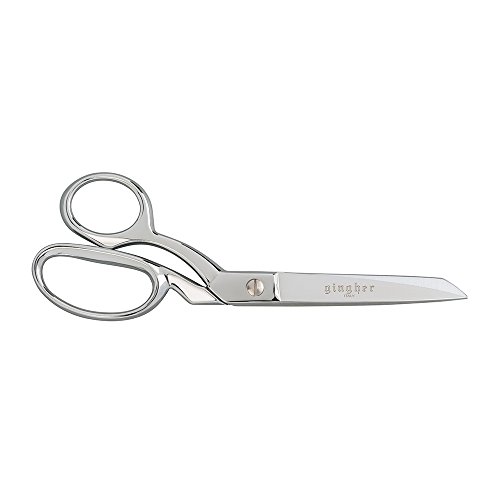
Gingher’s 8-inch left-handed bent shears feature a knife-edge and a design tailored for left-handed users. The bent blade allows longer, uninterrupted cuts across multiple layers, making it especially useful for pattern assembly and seam work. The knife-edge geometry supports precision and clean edge cuts, suitable for detailed dressmaking, quilting and upholstery tasks.
Buying Guide: Key Purchase Considerations
- Left-Handed Ergonomics: Look for handles designed specifically for left-handed users. Ergonomic, soft-grip materials reduce strain and improve control during long sessions.
- Blade Material and Durability: High-carbon steel blades hold sharpness longer and resist wear. Consider electroplated or galvanized finishes for rust resistance and longevity.
- Edge Type and Cutting Style: Knife-edge, micro-serrated or plain edges impact how the scissors behave on different fabrics. Bent or straight blades suit different patterns and layering needs.
- Weight and Balance: Heavier scissors can offer more momentum for thick fabrics but may cause fatigue. Balance between weight and control is essential for comfort.
- Versatility vs Specialty: If you frequently switch between fabrics (fabric, leather, paper), a versatile all-purpose pair is practical. For specialized tasks, a dedicated fabric or leather scissor may be preferable.
- Maintenance: Stainless and high-carbon blades require occasional cleaning and oil to prevent corrosion. Choose models with easy maintenance to extend life.
- Warranty and Support: A manufacturer warranty indicates confidence in build quality and offers protection against defects.
- Intended Use: Professional tailors may prioritize sturdiness and long cutting lengths, while hobbyists may value light weight and comfort for casual projects.
Choosing the right left-handed dressmaking scissors depends on your typical projects, fabric types, and how often you cut for extended periods. The options above balance ergonomics, durability and cutting efficiency to support a variety of sewing, tailoring and craft workflows.
Leave a Reply