Best Mannequin Hands for Acrylic Nails: Top Picks for Practice and Training
Answering your search for realistic, durable mannequin hands for acrylic nails, these five options stand out for beginners and professionals alike. Each product offers a different balance of flexibility, stability, and realism to suit various practice scenarios. This guide highlights who each hand is best for, why it was chosen, and any limitations to consider before you buy.
Summary table (selected products at a glance):
- Nyxaphoralyn Practice Hand — Best for realistic feel and adjustable practice angles.
- Buqikma Nail Practice Hand — Best for a stable, weighted base and durable finger joints.
- LIONVISON Practice Hand (First Listing) — Best for stability and extendable positioning on tables.
- krofaue 2 Pack Right Hands — Best for value and realistic skin-tone approximation in practice.
- KZAOPZ Beginners Practice Hand — Best for silicone realism and all-in-one training kit.
Nyxaphoralyn Realistic Practice Hand
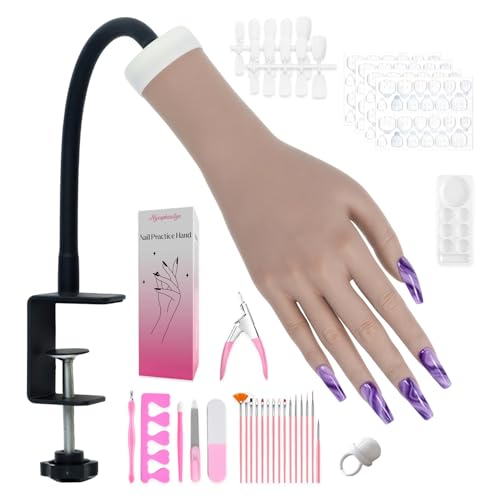
The Nyxaphoralyn Practice Hand is a life-size, flexible training tool designed to simulate a real hand for acrylic and gel nail work. The hand is made from durable, eco-friendly materials that closely mimic joint structure, allowing beginners and seasoned technicians to practice shaping, filing, and nail art. Its bendable joints enable posing at various angles to reproduce common client scenarios.
Best for: Nail students and professionals who want a realistic feel and adjustable positioning for practicing different nail styles. This hand is especially useful for learning how pressure and angle affect nail shaping and finish.
Limitations: While flexible, the hand’s realism hinges on the material quality and joint design; extreme angles over time could affect joint stability. Easy cleaning and reuse are highlighted benefits, but long sessions may require occasional maintenance check-ups on joint tension.
Buqikma Nail Practice Hand

The Buqikma Nail Practice Hand presents a robust, weighted base to reduce desk movement during nail applications. Its flexible, bendable fingers hold poses well, aiding practice with gel and acrylic applications, side-wall checks, and cuticle work. The fixed finger design supports durability for repeated use and learning control over pressure, motion, and precision.
Best for: Beginners and salon environments needing stable practice without tip movement, especially when learning gel and acrylic application. It’s a reliable choice for steady, repeated practice sessions.
Limitations: Fingers are fixed, which reduces some pose options. Because the design emphasizes durability, users should note the base and finger joints are not as easily replaced if a part wears out.
LIONVISON Practice Hand (First Listing)

The LIONVISON Practice Hand combines a sturdy ABS body with flexible joints and an extended reach for table mounting. The set emphasizes a secure, long extension that helps users position the hand away from the work area, enabling broader maneuverability for various nail designs. The product notes improved nail tip adhesion on the hand, with guidance on adjusting components if detachment occurs.
Best for: Those seeking a stable practice hand that can be fixed to a table or board for long sessions, especially when practicing complex nail shapes or extended design work. It’s also suitable for professionals who want to simulate client setups more accurately.
Limitations: Some users may encounter issues with detachable tips; following the included maintenance guidance is important to preserve tip integrity over time.
krofaue 2 Pack Right Hands

The krofaue set includes two right hands crafted from hard rubber, designed for reusable practice in acrylic, gel, and tip art. The hands feature skin-tone-matched coloration for realism and come in a compact size that makes them easy to store between sessions. The product notes that the hand’s color closely resembles natural skin, supporting realistic practice scenarios.
Best for: Budget-conscious buyers who want two practice hands for paired training or early-stage learning. It’s a cost-effective option for rotation between practice tasks without sacrificing realism in touch and pose.
Limitations: The set is limited to right hands, which may require an additional left-hand option for symmetrical practice. Reusability relies on proper cleaning and storage between uses.
KZAOPZ Beginners Practice Hand

The KZAOPZ Beginners Practice Hand emphasizes a high-quality silicone build with real-feel texture and flexible fingers. It is designed for acrylic and gel nail training, plus a complete training kit that includes 240 false nail tips, brushes, file, buffer, rhinestones, and decorative elements. The deep nail slots hold tips securely, supporting glue-free practice sessions.
Best for: Learners who want an all-in-one kit with materials to begin practicing immediately, especially those prioritizing silicone realism for a lifelike feel. It suits both home practice and quick in-salon demonstrations.
Limitations: The bundled kit adds components that may be more than needed for some beginners who prefer to source items separately. Silicone care is required to extend the life of the hand and tips.
Buying Guide: Key Considerations For Choosing A Practice Hand
- Material and realism: Silicone and soft rubber hands offer lifelike texture and flexible fingers, while ABS or hard rubber models emphasize durability. Choose based on how natural you want the practice feel to be.
- Stability and mounting: A weighted base or table clamp helps prevent sliding during filing and painting. If you work with a busy workstation, a hand that can be secured is advantageous.
- Finger flexibility: Flexible joints allow posing for varied nail shapes, including almond, stiletto, and coffin. Fixed fingers may be fine for basic practice but limit pose variety.
- Nail slots and grooves: Deep nail grooves make tip fitting easier and reduce wear on tips. Look for wide, deep slots for diverse tip styles.
- Included accessories: Some hands come as part of training kits with tips, brushes, files, and rhinestones. Consider if you want a complete set or prefer to buy items separately.
- Cleaning and reuse: Reusability hinges on ease of cleaning and resilience to adhesives. Silicone is typically easier to clean and less prone to residue buildup.
- Left-hand vs right-hand options: If you practice bilateral symmetry, ensure the set includes both hands or plan to purchase an additional hand to balance practice.
Frequently Asked Questions
- What is the best material for a nail practice hand?
– Silicone and soft rubber offer the most realistic feel and comfortable handling, especially for beginners learning nail art. ABS or hard rubber models prioritize durability. - Do I need a clamp or weighted base?
– A clamp or weighted base helps keep the hand stable during drilling, filing, and painting, reducing movement that can affect results. - Are practice hands good for professional use?
– Yes, many professionals use practice hands to prototype nail designs, test shapes, and teach technique without working on real clients. - Should the hand come with tips and accessories?
– Bundled sets can offer convenience and value, but you can also source tips, brushes, and files separately if you already own them. - How should I care for a silicone practice hand?
– Clean with mild soap and warm water, avoid harsh solvents, and store away from direct heat to maintain flexibility and texture. - Can practice hands be used for gel and acrylic nails alike?
– Yes, most hands are designed for both gel and acrylic practice, but check the product notes for recommended use to ensure compatibility with your techniques.
Leave a Reply