Best Nitrocellulose Guitar Lacquer Paint for a Premium Finish
Nitrocellulose guitar lacquer is prized for its vintage warmth, tonal sweetness, and true wood feel. This guide highlights top nitrocellulose spray lacquers designed for guitars, basses, and stringed instruments. Each option offers fast drying, durability, and a professional-grade finish that ages gracefully. Read on to compare finishes, application ease, and how individual formulas affect appearance and repairability.
| Product | Finish Type | Key Benefit |
|---|---|---|
| ColorTone Classic Clear Gloss 13oz | Clear Gloss | Traditional nitro finish with easy spray and durable protection |
| ColorTone Black Gloss 13oz | Black Gloss | Deep, solid black with professional aerosol convenience |
| ColorTone Classic Clear Satin 13oz | Clear Satin | Low-gloss, smooth finish with alcohol and moisture resistance |
| ColorTone Lake Placid Blue | Lacquer Finish | Metallic, vintage-inspired blue with tonal transparency |
| ColorTone Vintage White | Aged Vintage White | Opaque yellow-cream tone with authentic vintage aging nuances |
Note: The selections focus on nitrocellulose finishes suitable for professional-looking instrument coatings, easy repairability, and compatibility with common luthier workflows. Each product is formulated for musical instruments and designed to deliver consistent results on new builds and refinishes.
ColorTone Classic Clear Gloss Nitrocellulose Lacquer

Easily achieve a traditional nitrocellulose lacquer finish without spraying equipment. This 13-ounce aerosol offers a fast-drying, durable coat resistant to alcohol and water, preserving the instrument’s natural wood character. The rotating-tip nozzle allows controlled, even application, making it suitable for both beginners and seasoned finishers. Its clear gloss enhances color and grain while aging gracefully with use.
ColorTone Black Gloss Nitrocellulose Lacquer

Designed for solid black finishes, this aerosol nitrocellulose lacquer delivers professional results without spray guns. It includes two black options—Gloss for deep coverage and a semi-transparent variant—to suit different guitar body contours and artistic intents. The formula aims for a durable, glossy surface with reliable adhesion on instrument bodies and necks alike.
ColorTone Classic Clear Satin Nitrocellulose Lacquer
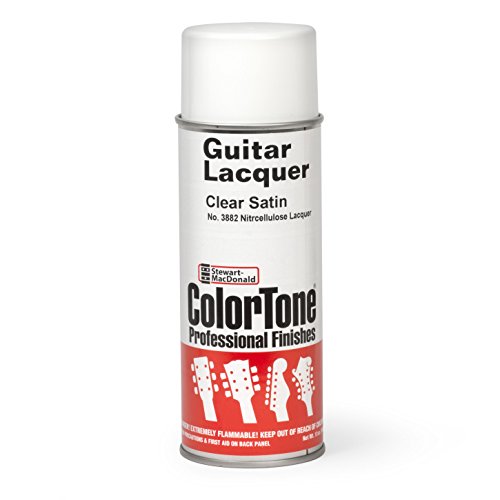
This spray lacquer delivers a smooth low-gloss finish that enhances the natural beauty of wood while offering quick-drying performance. The satin option reduces glare and emphasizes subtle wood features, making it a versatile choice for jazz instruments or vintage-style builds. The finish remains hard and durable, with strong resistance to alcohol and moisture.
ColorTone Lake Placid Blue Nitrocellulose Lacquer

Lake Placid Blue offers a shimmering, vintage-inspired metallic finish that shifts with light and the instrument’s curves. The nitrocellulose formula provides tonal transparency and aging characteristics similar to classic vintage guitars. This option is favored by luthiers and players seeking a distinctive, historically resonant look with reliable application results.
ColorTone Traditional Aged Gloss Nitrocellulose Lacquer

This quart-size can is ready to spray with no thinning required, supporting faster coat-building across multiple layers. The Traditional Aged Gloss finish imparts a warm, vintage look as the lacquer ages. It’s ideal for players and builders aiming to reproduce classic aesthetics while maintaining ease of use and reliable results across projects.
ColorTone Modern Clear Gloss Nitrocellulose Lacquer

Offering a clear, high-gloss finish, this option emphasizes clarity and tonal transparency, aging naturally like vintage guitars. It’s trusted by luthiers and serious players for consistent results on both new builds and refinishes. The formula balances a crisp, reflective surface with robust protection against moisture and solvents during play and storage.
ColorTone Aged Vintage White Nitrocellulose Lacquer
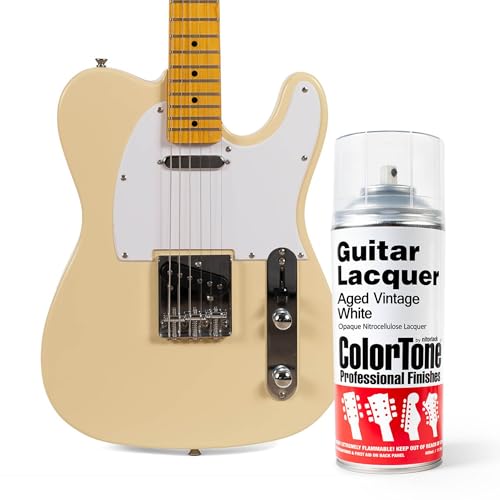
The aged vintage white finish reproduces the subtle amber cast seen in guitars from the 1960s to 1970s. Its nitrocellulose formula preserves tonal warmth and natural aging nuances over time, offering a historically authentic appearance while remaining compatible with modern repair and refinishing techniques.
ColorTone Touch-Up Marker, Black Opaque
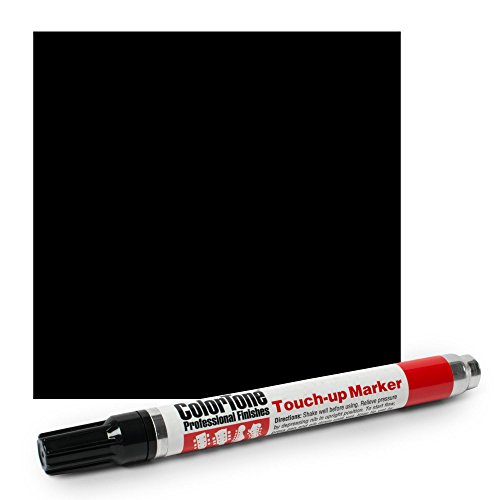
For finish repairs, this nitrocellulose touch-up marker provides precise coverage for scratches, dings, and worn spots. The black opaque formulation blends seamlessly with darker finishes, enabling quick, professional-looking touch-ups without disassembly. It’s designed for easy blending and reversible application if needed.
Buying Guide: Key Purchase Considerations
- Finish type and appearance: Choose gloss, satin, or aged tones based on the instrument’s style and era. Gloss finishes maximize vibrancy; satin offers a softer look; aged or opaque whites reproduce vintage aesthetics.
- T programming and application: Aerosol cans provide convenient, spray-on coverage without equipment. Check nozzle design and drying times to optimize coating schedules and minimize dust contamination.
- Durability and aging: Nitrocellulose lacquers typically age gracefully, with finishes developing character over time. Consider alcohol and moisture resistance for longevity, especially on necks and bodies exposed to sweat and humidity.
- Layering and repairs: Ready-to-spray formulas or repair markers should blend with existing finishes. Some products are designed for fast multi-coat builds, while others emphasize easy touch-ups.
- Instrumentation scope: For new builds, choose products that offer clear color saturation and consistent coverage. For refinishing, prioritize aging characteristics and compatibility with other coatings or clear coats.
- Availability and compatibility: Ensure the product suits your local climate, spraying environment, and existing finishes. Always test on scrap wood or inconspicuous areas before full application.
Instruments finished with nitrocellulose lacquers can reveal wood grain depth and tonal warmth, aligning with traditional and vintage aesthetics. The options above provide a spectrum—from classic clear finishes and deep black to metallic blue and aged whites—allowing builders and players to tailor looks while preserving playability and resonance.
Leave a Reply