Best Non Woven Interfacing for Face Masks: Top Fusible and Sew-in Options for DIY
Selecting the right non woven interfacing is essential for creating durable, comfortable face masks. This guide highlights five practical options, including fusible and sew-in varieties, to help readers choose materials that balance stability, breathability, and ease of use for DIY sewing projects in the American market.
| Product | Brand | Type | Weight / Width | Application |
|---|---|---|---|---|
| MAROBEE White Fusible Interfacing | MAROBEE | Fusible, one-sided | Lightweight | Face masks, quilting, light garments |
| PLANTIONAL Medium Weight White Iron-On | PLANTIONAL | Fusible, one-sided | 16.5″ x 30yds | DIY crafts, broader garment use |
| Pellon SF101 Shape-Flex | Pellon | Fusible, woven | 20″ x 10 yds | Collars, cuffs, facings, backing for embroidery |
| AK TRADING CO. Nonwoven 42 GSM | AK TRADING CO. | Non-woven, sew-in | 42 GSM | Medium weight fabrics, breathable interfacing |
| PLANTIONAL 11.6″ x 30yd | PLANTIONAL | Fusible, one-sided | 11.6″ x 30yds | Durable stability for assorted fabrics |
MAROBEE White Fusible Interfacing Review
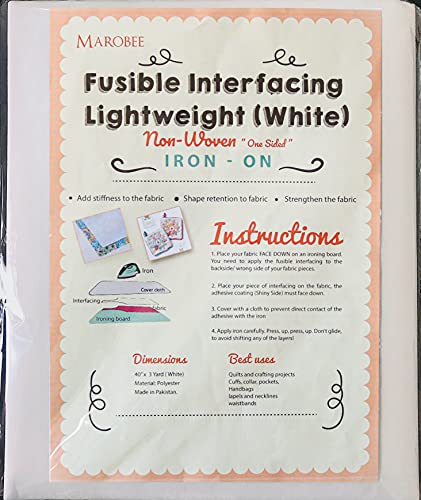
MAROBEE offers a lightweight, one-sided fusible interfacing designed to fuse with fabric using a hot iron. The product provides structure and rigidity, suitable for light to medium weight fabrics used in face masks, quilts, and crafts. The packaging highlights wrinkle-free presentation and a polyester composition, aiming at durability during sewing projects. The adhesive bond is intended to remain stable through standard washing cycles, making it a practical choice for reusable masks using traditional fabrics such as broadcloth or jersey blends.
PLANTIONAL Medium Weight Iron-On Interfacing

This PLANTIONAL interfacing is a medium weight, non-woven, single-sided iron-on with an adhesive on one side. It emphasizes ease of application—bonding to fabric with heat—while offering sufficient stability for a range of materials. The product ships in a broad length of 30 yards and a width of 16.5 inches, making it suitable for larger mask batches or longer projects. It is especially helpful for crafters seeking a balance between stiffness and drape in DIY face masks and other crafts.
Pellon SF101 Shape-Flex Interfacing

Pellon SF101 Shape-Flex is a 100% cotton, woven fusible interfacing designed to provide body and stability. It’s well-suited for collars, cuffs, yokes, pockets, and facings, and can serve as a backing for embroidery or needlework. The bolt format (20 inches by 10 yards) is advantageous for consistent, multiple projects. This option blends traditional interfacing properties with a soft hand and reliable fusible bond, making it a common choice for both garments and mask construction where a sturdier structure is desired without excessive stiffness.
AK TRADING CO. Nonwoven Interfacing

This sew-in, nonwoven interfacing from AK TRADING CO. uses polypropylene fibers to create a breathable, medium-weight fabric layer. As a sew-in option, it avoids heat exposure, reducing heat-related risk for delicate or heat-sensitive fabrics. The 42 GSM specification indicates a stable yet flexible layer suitable for a broad range of fabrics, including lightweight to medium-weight materials. This choice is particularly appropriate when masking projects require careful handling of heat-sensitive textiles or when opting for a sew-in approach.
PLANTIONAL 11.6″ x 30yd Interfacing

This PLANTIONAL interfacing presents a sturdy, single-sided adhesive option with 11.6 inch width and 30 yards length. It emphasizes durability and stability for a wide array of fabrics, including those used in masks and bags. The heat-activated adhesive simplifies attachment, allowing sewers to achieve reliable bonds with an iron press. The generous length supports bulk projects and multiple mask patterns without frequent restocking.
Buying Guide
- Fuseable vs. sew-in: Fusible interfacing provides quick, uniform bonding to fabrics via iron heat, ideal for masks made from stable fabrics. Sew-in options preserve fabric softness and are better for heat-sensitive textiles or where ironing is not practical.
- Weight and stiffness: Light to medium weights suit most masks, maintaining breathability while offering structure. Heavier interfacing adds sturdiness but may reduce airflow, so test with your fabric choice.
- Fabric compatibility: Cotton blends, broadcloth, and knits respond differently to interfacing. Pre-test by fusing a small swatch to confirm bond strength and fabric behavior.
- Size and length: Wider widths (e.g., 16.5 inches) and longer lengths (30 yards) are convenient for large projects, but ensure you have enough storage and cutter tools to handle long rolls.
- Care and washing: Confirm machine washability of both interfacing and fabric. Some materials hold up well to repeated wash cycles, while others may require gentler care.
- Allergen considerations: For masks, choose materials with low lint and minimal irritants to the skin, especially for sensitive users.
- Application temperature: Follow manufacturers’ recommendations for heat settings to avoid scorching or adhesive bleed-through on delicate fabrics.
- Breathability: Ensure the selected interfacing maintains breathability, a key factor in mask comfort and usability for extended wear.
- Longevity in bulk use: If producing masks in bulk, consider roll lengths and the ease of cutting to pattern pieces to optimize production time.
- Versatility: Some interfacing can be used across garments beyond masks, offering value for hobbyists who pursue multiple sewing projects.
Leave a Reply