Best Oil Finish for Walnut: Top Picks for Natural, Food-Safe Protection
Walnut lovers and woodworkers alike seek finishes that bring out warm color, while offering durable protection without harming food-contact surfaces. This guide highlights easy-to-find oil finishes that are particularly well-suited for walnut—whether you’re refinishing kitchen utensils, cutting boards, bowls, or fine furniture. Each product below serves as a reliable option for deepening walnut’s natural grain, with food-safe and durable formulas designed to resist everyday wear. Read on to compare application methods, cure times, and versatility across projects.
Summary of chosen products: The list focuses on walnut-friendly oils and finishes that emphasize food safety, easy application, and lasting protection. From food-grade walnut oils designed for cutting boards and bowls, to multi-use finishes that suit furniture and crafts, these options cover kitchenware, cabinetry, and decorative wood. This table provides quick at-a-glance reference to brands, first impressions, and key use cases to help you decide which product to try first.
| Product | Brand | Best For |
|---|---|---|
| Refined Walnut Oil for Wooden Kitchen Items | Rowdy Rooster Woodworks | Cutting boards, butcher blocks, food-contact surfaces |
| Walnut Oil Wax | Bowl Maker | Salad bowls, cutting boards, furniture prep |
| Walnut Finishing Oil | Doctor’s Woodshop | General wood finishing, turning, small projects |
| Danish Oil Wood Finish, Walnut | Watco | Indoor wood surfaces, furniture, bare or sanded wood |
| Walnut Oil Bowl Conditioner | LIIZOUSUDA | Utensils, bowls, cutting boards, furniture |
Refined Walnut Oil for Wooden Kitchen Items

Rowdy Rooster Woodworks presents a premium walnut oil designed as a food-safe wood treatment. The oil provides a rich, deep finish that enhances walnut’s natural warmth while forming a protective seal. It stands as a safer alternative to tung or linseed oils for cutting boards and butcher blocks, retaining a light color and a clean, food-contact-ready surface. The formula emphasizes curing wood sealer properties, contributing to longer-lasting protection on a variety of wood types beyond kitchen items.
Key features focus on food safety, ease of use, and versatility. The product is described as safe for food contact after curing, making it suitable for cutting boards and other utensils. Its finish and sealer characteristics are intended to deliver both aesthetic depth and durable protection, aligning with projects ranging from kitchen items to furniture where walnut is the focal wood.
Application notes suggest this oil can serve as both a finish and sealer, with a goal of enhancing wood while protecting it from daily wear. For walnut, this oil can help highlight grain patterns with a warm, natural glow, while maintaining a food-safe, non-toxic surface for utensils and countertops.
Walnut Oil Wax
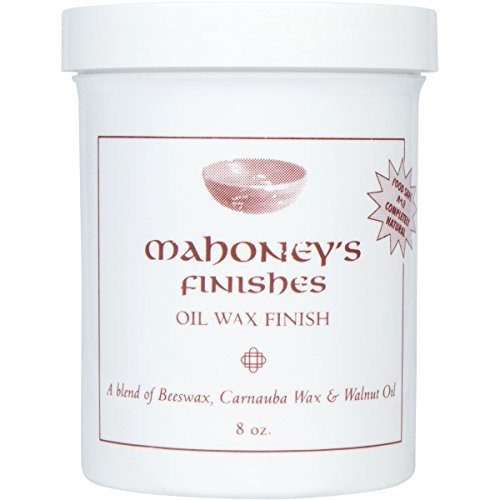
Bowl Maker’s Walnut Oil Wax combines a wipe-on wax finish with oil-based protection, offering a food-safe approach for bowls, cutting boards, and furniture. The product is designed for straightforward application—wipe on or immersion—followed by drying to create a durable barrier. It avoids petroleum distillates, which is a plus for health-conscious users and those seeking a simple maintenance regimen for walnut items.
Usage notes emphasize safe food contact after drying, alongside the ability to protect and beautify wooden turning and other kitchen pieces. The wax infusion helps walnut surfaces resist moisture and minor scratches, making it suitable for frequently used utensils and serving ware. This product suits both beginners and seasoned woodworkers seeking a low-odor, user-friendly option.
Walnut Finishing Oil
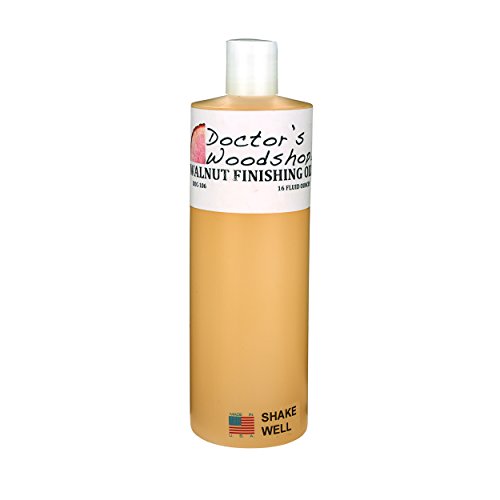
Doctor’s Woodshop Walnut Finishing Oil is a food-safe option that works well for both oil finishes and later friction polishing when used on a lathe. The dual-use approach provides flexibility in finishing workflows—brush-on application or dipping, followed by proper drainage and curing. The oil is positioned for walnut and other woods, supporting a durable finish that resists moisture while maintaining a natural wood appearance.
Key considerations include ease of application and curing behavior. The product’s emphasis on food safety makes it suitable for utensils and kitchen-related woodworking, while the finishing oil’s properties aim to impart a protective film that enhances color and grain. For walnut projects, it can serve as a reliable, straightforward refinement step in both hand and machine-assisted finishes.
Danish Oil Wood Finish, Walnut
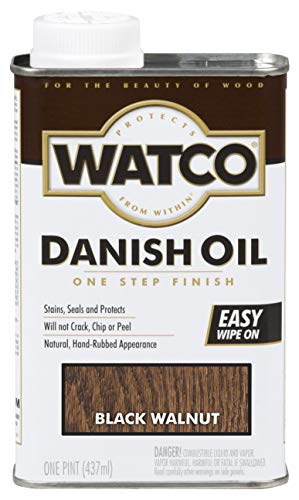
Watco Danish Oil is a blended oil and varnish finish designed to penetrate wood pores deeply, delivering protection while preserving the natural look of walnut. The product dries to the touch relatively quickly and covers large areas, making it suitable for furniture and larger walnut pieces. It is described as ideal for bare or sanded surfaces, with an emphasis on interior wood projects rather than floors.
Considerations include the balance between penetrating oil and film-forming varnish, which influences both the depth of color and the degree of surface protection. For walnut items such as tables or cabinetry, this finish can provide a warm tone and a durable surface that resists daily use. However, care should be taken to apply in a well-ventilated area and to follow re-coating guidelines for optimal results.
Restor-A-Finish Walnut

Howard’s Restor-A-Finish is a penetrating formula designed to restore wood finishes while concealing minor scratches and blemishes. Available in a walnut tone among nine color options, it provides a quick wipe-on, wipe-off process to refresh existing finishes without a full refinishing job. This makes it well-suited for walnut furniture and decorative pieces where the goal is to blend blemishes and rejuvenate appearance with minimal downtime.
Limitations to consider include the type of existing finish on the walnut piece and the need for surface prep if the prior finish is heavily worn. It is not a pure oil finish, but rather a restoration product that can complement oil-based walnut finishes by reviving color and depth, especially on mid-century or traditional walnut furniture.
High-Performance Walnut Wood Oil

This high-performance walnut wood oil by LIIZOUSUDA focuses on conditioning and protecting wooden utensils, bowls, and cutting boards, while delivering a satin sheen for a refined look. The product emphasizes its health-conscious formulation—unscented, colorless, odorless, and tasteless—designed to be safe for food-contact surfaces. It positions itself as a multi-use oil suitable for furniture, floors, and musical instruments beyond kitchen wares, making it a versatile option for walnut wood care.
Applications highlight its dual role as a conditioner and protector for neglected wood, helping to revive dull or dry walnut surfaces. The oil’s breathability and natural finish align with a hands-on approach to wood care, where regular maintenance can extend the life and beauty of walnut items, from cabinets to table tops.
All-Natural Walnut Oil Finisher

Chalk Mountain Brushes offers an all-natural Walnut Oil Finisher designed to preserve, beautify, and seal unfinished wood. The product emphasizes 100% natural refined walnut oil sourced from California walnuts and is food-safe. It can be used to seal, preserve, and enhance grain with a natural sheen, making it suitable for bowl making, furniture, and decorative wood projects. It’s a USA-made, food-grade option that dries over 2–3 days with heat treatment to ensure a reliable finish.
Pros include its natural composition and suitability for unfinished wood projects where a clear, grain-enhancing finish is desired. As a food-safe option, it suits culinary wares and handmade wooden items. Potential drawbacks involve longer dry times and a preference for users who favor all-natural finishes without synthetic additives.
La Tourangelle Walnut Oil

La Tourangelle’s Roasted Walnut Oil is designed for culinary use but is included here for completeness because walnut oils share similar finishing properties—particularly for warm, nutty flavors in finishing touches. While primarily a cooking oil, its paler color and delicate notes can influence finishing palettes for walnut projects when experimenting with color and scent. It is a plant-based oil that emphasizes omega-3 content, making it appealing for health-conscious kitchens and certain craft applications where a light, neutral finish is desired.
Note: This product is intended for food preparation rather than direct wood finishing. Caution is advised when considering it for wood finishing, as its performance, cure time, and durability differ from dedicated woodworking finishes. It’s best treated as a culinary oil with possible decorative or scent-inspired uses in creative woodworking contexts rather than a primary wood sealer or protective finish.
Buying Guide: Key Purchase Considerations
- Food safety: For walnut items used with food, prioritize oils labeled food-safe and food-contact approved. Verify curing times and recoat intervals to maintain a safe, durable surface.
- Project type: Choose finishes that match your project—cutting boards and bowls require non-toxic, odor-free formulas; furniture benefits from finishes with higher durability and abrasion resistance.
- Application method: Wipe-on, brush-on, or immersion finishes affect labor and surface results. Wipe-on/brush-on options are beginner-friendly, while immersion methods can optimize penetration on larger pieces.
- Drying and cure times: Some walnut finishes dry quickly, while others require extended cure times. Consider indoor climate, ventilation, and project timeline when selecting a product.
- Color and grain enhancement: Walnut responds well to warm, amber tones. Decide whether you want a subtle enhancement or a richer, deeper color. Some finishes emphasize grain contrast more than others.
- Versatility: If you work with multiple wood types, a universal conditioner or multi-use oil may simplify your toolkit. For walnut-specific projects, look for products designed to preserve natural color while sealing the surface.
- Maintenance: Some finishes require periodic reapplication. Consider your maintenance schedule and whether a wax/sealant combination is preferred for ongoing protection.
- Safety and odor: If sensitive to solvents or odors, seek low-VOC or odorless formulas. For food-contact surfaces, ensure the product is certified safe for kitchen use.
- Brand and availability: Availability from reputable brands with consistent formulations helps ensure repeatability across projects.
In selecting an oil finish for walnut, balance depth of color, protection level, ease of use, and food-safety requirements. Testing a small sample on a scrap walnut piece can help you observe how the grain responds to the finish before applying it to a larger project.
Leave a Reply