Best Open Cell Foam Blocks for Insulation, Filtration, and Sealing
Open cell foam blocks offer flexible, lightweight solutions for sealing, filtration, sound absorption, and moisture management in homes, aquariums, and vehicles. This guide highlights five reliable open cell foam products commonly used in American households and workshops, with quick links to Amazon for each item. Whether you’re sealing drafty windows, filtering aquarium water, or adding pre-filters to HVAC systems, these open cell foams provide adaptable performance with easy modification.
| Product | Brand | Main Use |
|---|---|---|
| 2 Rolls 2 Inch W 1/2 Inch T Weather Stripping Open Cell Foam Seal Tape | YIJUHOU | Door/window insulation and draft sealing |
| Aquarium Bio Sponge Pad Filter Media (11″ L x 10.25″ W x 2″ H) | CKDFK | Pre-filter media for aquariums and filter systems |
| Trisiki Air Conditioner Window Seal 1″ x 1″ Open Cell Foam | Trisiki | Window insulation and air sealing |
| Air Filter Foam Sheet Material Replacement for UNI 12″ x 24″ x 3/8″ | ERETOW | HVAC and purifier pre-filter media |
| 2 Rolls 1.18″ x 1″ Open Cell Foam Tape for Window AC Insulation | YIJUHOU | Draft stopping and air seal for windows |
Open Cell Foam Weather Stripping for Doors and Windows

YIJUHOU’s weather stripping uses safe, non-toxic open cell foam designed for high resilience and flexible adhesion. The tape aims to reduce heat loss in winter and keep cool air indoors in summer. The backing glue is engineered for strong adherence to diverse materials, with non-degumming properties to minimize residue. With moisture resistance and sound absorption features, this product can help extend equipment life by cushioning vibrations and preventing drafts around doors and windows.
Aquarium Bio Sponge Pad Filter Media (40PPI)

CKDFK’s open cell foam filter pads are designed for both freshwater and saltwater tanks. They can be trimmed to fit a variety of filter systems and offer a cost-effective option for maintaining water quality. The foam is durable and reusable, providing long-lasting filtration without frequent replacements. These pads can act as pre-filters to protect main filter media from large debris, helping to extend filter life and reduce maintenance frequency.
Trisiki Step-By-Step Window Seal Foam Tape

Trisiki provides a compact open cell foam insulation solution with a 6.5-foot total length. The foam is 1 inch wide and 1 inch thick, offering a flexible seal that fills voids to block drafts, dust, and noise. The adhesive backing enables easy attachment to wood, metal, or plastic surfaces, with clean removal and minimal residue. Its versatility makes it suitable for weather-stripping around windows, doors, and small gaps in home interiors.
Speedway Motors Open Cell Foam Tank Baffle

Speedway Motors offers a fuel cell anti-slosh foam baffle insert built from high-void open cell foam. This product is designed to minimize fuel movement during cornering, braking, and acceleration, helping maintain vehicle stability. With a 97 percent void rate, it preserves most fuel capacity while providing effective slosh control. It is compatible with gasoline, E85, methanol, and ethanol blends, making it a practical choice for performance or hobbyist applications requiring fuel management inside tanks.
ERETOW Filter Foam Sheet For UNI Systems
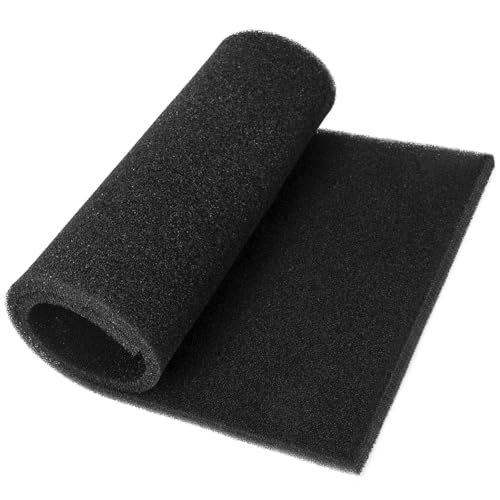
ERETOW’s 12″ x 24″ x 3/8″ foam sheet uses 40 PPI open cell polyurethane foam. It’s designed for pre-filter applications across air conditioners, purifiers, and aquarium setups. The foam balances high airflow with good dust capture, and it is washable and reusable, extending its service life in HVAC and filtration systems. The sheet’s durability supports repeated cleaning and reshaping to fit various equipment models.
YIJUHOU Open Cell Foam Tape, 1.18″ x 1″

This YIJUHOU foam tape provides a compact weather-stripping option with strong backing glue designed for durability and easy replacement. The open cell structure offers moisture resistance and sound insulation while maintaining a flexible seal for windows and doors. The product emphasizes non-toxic materials and a resilient profile to resist wear under daily use, making it a practical choice for insulating gaps around home openings.
Buying Guide
- Open cell vs. closed cell: Open cell foam is softer, more compressible, and better at sealing irregular gaps and absorbing sound; it typically absorbs moisture more than closed cell foam. Choose based on airflow needs and environmental exposure.
- Size and thickness: Measure your gaps carefully. Thicker foam provides a stronger seal but may be harder to fit into tight spaces. Rolls and sheets can be cut to fit odd dimensions.
- Adhesive quality: Look for strong, non-degumming backing that adheres to wood, metal, plastic, and painted surfaces. For temporary applications, ensure easy removal without residue.
- Filtration and airflow: For HVAC or aquarium filtration, prioritize higher PPI (pores per inch) for better dust capture while maintaining adequate airflow. Washable foams extend service life but require regular cleaning.
- Chemical compatibility: If used around fuels, solvents, or chemicals (as in some fuel tank applications), verify chemical resistance and compatibility with the foam formulation.
- Durability and longevity: Consider the environment—moisture exposure, temperature swings, and UV exposure can affect foam resilience. Look for foam with moisture resistance and flame retardant properties if needed.
- Intended use: Use pre-filters for air purifiers and HVAC units to protect main filters; use door/window seals for draft prevention; use baffles and slosh foam for automotive fuel systems as appropriate. Avoid using foam in high-heat areas unless rated for heat exposure.
Leave a Reply