Best Opera-Inspired Piano Books for Beginners: Easy Guides to Iconic Melodies
Embarking on piano study with iconic opera themes can boost motivation and musical growth. This guide highlights five beginner-friendly piano books that feature famous opera and Broadway tunes, plus essential technique support. Each selection offers accessible arrangements, clear notation, and practical practice value for new players. Read on to compare content, formats, and learning benefits to choose the best fit for you or a student.
| Product | Brand | Key Features |
|---|---|---|
| PreTime Piano: Classics – Primer Level | Faber Piano Adventures | Kids-friendly arrangements; famous symphony and opera themes; easy beginner book |
| The Phantom Of The Opera Easy Adult Piano Songbook (Advance) | Hal Leonard | 9 easy arrangements; lyrics and chords; electronic keyboard friendly |
| Phantom Of The Opera – Easy Piano Songbook | Hal Leonard | Broadway classics; beginner to intermediate; well-known pieces |
| Czerny – Practical Method For Beginners Op. 599 | G. Schirmer, Inc. | Piano technique; scales; foundational exercises |
| The Easiest Easy Piano Songs Simple Songs | Hal Leonard | 50 tunes; easy arrangements; lyrics included |
PreTime Piano: Classics – Primer Level

The Primer Level book from Faber Piano Adventures introduces young pianists to famous opera and classical themes with age-appropriate, easy-to-read notation. The instructional design emphasizes accessible melodies while building core skills such as rhythm, hand position, and basic phrasing. Teachers and parents will value the concise pages, which support short, focused practice sessions and steady progress for early elementary players.
The Phantom Of The Opera Easy Adult Piano Songbook

Designed for adult beginners, this Hal Leonard songbook offers nine easy arrangements from the Broadway hit. The edition includes lyrics and chords, and it’s particularly friendly to electronic keyboards, making it suitable for home practice and casual performance. Instruction notes help players approach expressive phrasing and dynamic contrast, while the simplified notation supports accurate melody lines without overwhelming complexity.
Phantom Of The Opera – Easy Piano Songbook
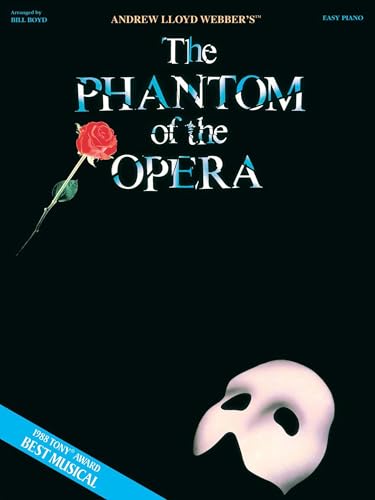
This Hal Leonard collection gathers multiple Broadway classics from Phantom of the Opera in easy piano arrangements. It’s suitable for beginners as well as more advanced players who want to revisit familiar tunes like The Music of the Night and Think of Me. The book provides clear notation, practical key signatures, and accessible voicings that help students develop hand coordination and musical phrasing in a familiar opera context.
Czerny – Practical Method for Beginners On Pianoforte, Op. 599
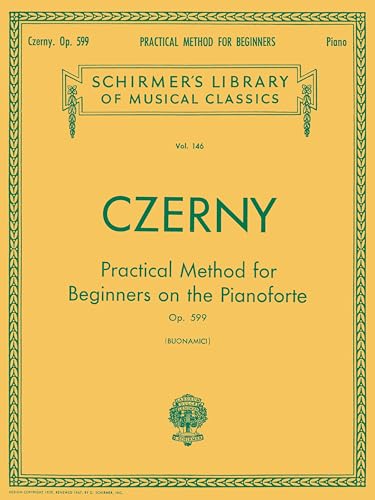
While not opera-specific, Czerny Op. 599 offers essential technique drills and progressive studies that are ideal for beginners. The Schirmer edition provides structured exercises focusing on finger independence, scales, and rhythmic accuracy, forming a solid technical base for any aspiring pianist. Students can benefit from regular, short practice cycles that reinforce reading skills and control across piano ranges.
The Easiest Easy Piano Songs Simple Songs

This Hal Leonard collection assembles 50 simple tunes spanning pop, Broadway, jazz, classical, and movie themes. It’s ideal for absolute beginners who want quick wins and confidence-building repertoire. The arrangements emphasize melody with supporting harmony, making it easy to learn by ear and then refine with notation. Lyrics are included for songs where applicable, which can aid memory and vocal-skill development during practice.
Buying Guide: Key Purchase Considerations For Beginner Piano Books
- Arrangement difficulty: Look for books labeled for beginners or early-intermediate, with clear notation and simplified rhythms to align with current skill level.
- Content variety: Consider whether the book offers opera themes, Broadway favorites, or classical pieces to match your interests and motivation.
- Notation and pedagogy: Favor editions that include fingering suggestions, tempo markings, and practice tips to support consistent progress.
- Lyrics and chords: For adult learners, lyrics and chord charts can aid memory and provide flexible practice with or without a keyboard.
- Instructional value: Choose books that balance technique-building exercises with repertoire, ensuring both skill development and enjoyable pieces.
- Format and accessibility: Spiral or easy-to-hold editions can be beneficial for hands-on practice; also consider digital or print availability for convenience.
- Progression path: A well-structured sequence—from method books to repertoire—helps learners advance more smoothly and sustain motivation.
- Publisher reputation: Reputable publishers often ensure reliable notation, durable printing, and consistent editorial standards.
- Compatibility with instruments: If using an electronic keyboard, verify that the arrangements accommodate electronic play and chord-based accompaniment.
Leave a Reply