Best Paintbrushes for Polyurethane: Smooth, Even Finishes Every Time
Choosing the right brush for polyurethane can dramatically affect finish quality and application speed. This guide highlights top brushes designed for polyurethane, varnish, and related finishes. Each pick balances smooth release, durable bristles, and comfortable handling to help you achieve professional-looking results on wood, furniture, and cabinetry.
| Product | Brand | Brush Type | Key Benefit |
|---|---|---|---|
| Wooster 3103-2 Foam King | Wooster | Foam | Smoothest no-brush marks finish |
| Magimate 3-Inch Double Thick Chip | Magimate | Chip/Flat | Wide coverage, versatile with stains and varnishes |
| Wooster Q3108-2 Softip | Wooster | Softip Nylon/Poly | Smooth, even finish with latex/oil paints |
| Genixart 3-Inch Double Thick | Genixart | Chip/Flat | All-in-one for varnish, paste, limewash |
| Wooster Z1120-2 | Wooster | China Bristle | Soft, velvet feel for varnishes and urethanes |
Note: All listed brushes are chosen for polyurethane compatibility and overall performance across common wood-finishing projects in American workshops and homes. The following sections detail each option and how it may fit different project needs.
Wooster Brush 3103-2 Foam King Paintbrush
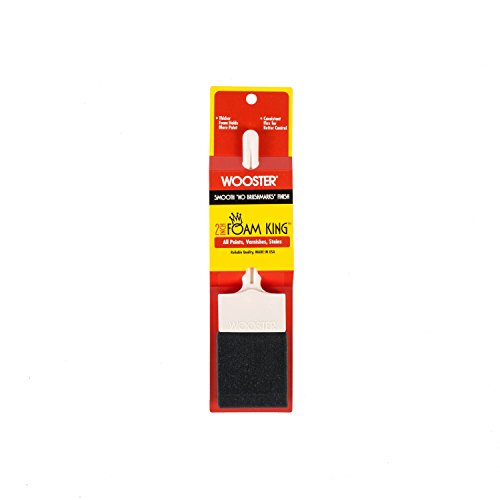
The Wooster 3103-2 Foam King uses thick polyurethane foam for an exceptionally smooth finish with varnishes and stains. Its white plastic handle includes a built-in stiffener blade to maintain consistent flex and neat results during polyurethane application. This brush is favored for achieving minimal brush marks on flat surfaces such as tabletops and cabinetry panels, where a flawless surface is important. The brush is made in the USA, aligning with expectations for durability and quality control.
Magimate 3-Inch Double Thick Chip Brush
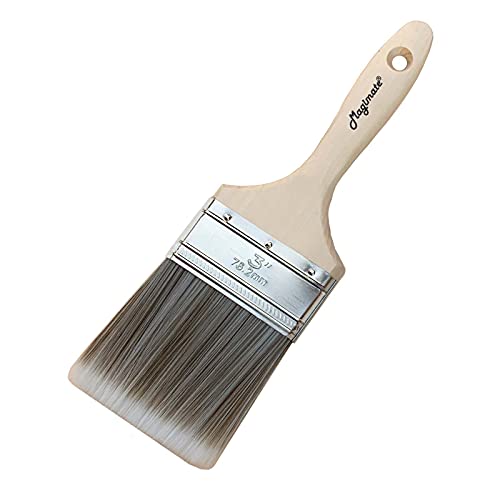
This 3-inch wide Magimate brush offers a double-thick chip design with soft yet firm synthetic bristles, delivering solid paint pickup and release for polyurethane, varnish, and other finishes. Its wide head reduces stroke times on larger surfaces like tabletops or cabinet doors, while still allowing control on edges and trims. The epoxy-secured bristles are designed to withstand solvent-based products, making it a versatile choice for both indoor furniture projects and exterior woodwork.
Wooster Q3108-2 Softip Paintbrush

The Q3108-2 Softip features soft tip brush fibers and a white nylon and gold polyester blend, delivering smooth, even finishes with both latex and oil-based paints. Its chisel trim allows precise cutting in corners, and the Brass-plated steel ferrule adds durability. Though versatile for general painting, this brush is well suited to polyurethane when a delicate touch and minimal brush marks are desired on smaller surfaces or trim work.
Wooster Brush 5222-2 Silver Tip

The 5222-2 Silver Tip uses white and silver CT polyester with chisel trim for soft, feathered strokes. Its fine brush formulation is designed for light touch and smooth release, helping to minimize swirl marks when applying varnishes and polyurethane finishes. The stainless look and lightweight design support prolonged use with comfortable handling for longer projects.
Wooster Brush Z1120-2 White

The Z1120-2 features finest white China bristle with a chisel construction, offering a soft formulation and velvet feel. This brush is ideal for polyurethane, varnishes, and marine paints where a delicate touch is required to avoid creating brush marks on wood grain. The brush is designed to help achieve uniform layers across flat surfaces and panels while maintaining control in tighter areas.
Buying Guide: Key Considerations for Polyurethane Brushes
- Brush material and finish: For polyurethane, brushes range from foam and chip bristles to fine china bristles. Foam tends to minimize brush marks on flat surfaces, while high-quality natural or synthetic bristles provide control, edge work, and better release for oil-based products. Choose based on project size, finish type, and desired texture.
- Brush width and surface area: Wider brushes (around 3 inches) cover more surface quickly, ideal for tabletops and cabinet doors. Narrow brushes (2 inches) offer precision for trim and edges. For polyurethane on furniture, a mix of widths can optimize both broad strokes and detail work.
- Flex and stiffness: For smooth poly finishes, a brush with stiffer bristles can reduce feathering, while a softer brush helps with delicate surfaces. Foam brushes are very forgiving but may wear faster with solvent-based finishes; consider a hybrid or high-quality chip brush for durability.
- Handle design and ergonomics: A comfortable handle, balance, and a stiffener blade can influence control during long sessions. Look for lightweight handles and ferrules that won’t fatigue your hand during extended polyurethane jobs.
- Cleaning and maintenance: Efficient cleanup extends brush life. Some brushes are easier to rinse and reuse with water-based polyurethanes, while oil-based polyurethanes require appropriate solvents. Proper cleaning preserves bristle shape and performance for future projects.
- Project type and surface: For furniture and cabinetry, a finish with minimal brush marks is often desired, so foam or high-quality bristle brushes are suitable. For fences or rough surfaces, chip brushes with thicker bristles may provide better coverage and stain penetration.
- Durability and value: While premium brushes cost more upfront, they often deliver more consistent results over time and across projects, reducing rework. Consider your typical project load and budgeting when selecting.
Selecting the right tool involves balancing coverage, brush mark minimization, and comfort. By aligning brush type with your polyurethane application—whether in furniture refinishing, cabinet staining, or exterior woodwork—you can achieve professional-looking finishes with fewer touch-ups.
Leave a Reply