Best Watercolor Palette Sets for Easy Color Mixing and Travel
Find the right watercolor palette to keep colors organized, fresh, and easy to transport. This guide highlights five well-rounded palettes ideal for beginners, students, and professional artists who value portability and clean mixing spaces. Each option offers distinct advantages—airtight lids to prevent drying, large mixing areas for big washes, or compact layouts for travel. Use the quick comparison table below to narrowing your pick based on how you paint and where you’ll work.
| Product | Best For |
|---|---|
| Mr. Pen Airtight Watercolor Palette (18 wells, 2 mixing areas) | Travel and studio use; keeping colors moist during long sessions |
| Junreox Watercolor Palette (24 wells, 5 mixing areas, folding) | Professional-style blending on the go; ample mixing space |
| White Porcelain Watercolor Palette (Ceramic, multi-wells) | Studio work; easy cleanup and color purity |
| MEEDEN 12-Well Round Porcelain Palette | Balanced size for fieldwork and desktop setups |
| Transon Watercolor Palette Folding (18 wells, 2 mixing areas, lid) | Compact, sealable option for travel with gentle transport |
Mr. Pen Airtight Watercolor Palette — 18 Wells

The Mr. Pen airtight palette provides 18 wells plus two large mixing areas. It is made from sturdy white plastic that cleans easily and stacks neatly. The secure airtight lid helps keep pans moist between sessions. This palette suits artists who want a reliable travel companion or a classroom palette that stays organized. Best for painters who value a clear, simple layout and easy maintenance. Limitation: plastic construction may show wear with heavy, daily use over time.
Junreox Watercolor Palette — 24 Wells and 5 Mixing Areas

Junreox offers a large 24-well palette with five mixing areas and a foldable design, plus a thumb hole for one-handed use. The flat-opening lid helps prevent accidental spills, making it ideal for serious painters who need ample space for color blending and quick access to brushes. Best for: professional or hobby artists who travel with paints and require deeper wells. Limitation: larger footprint may be less convenient for tiny backpacks or compact studio setups.
White Porcelain Watercolor Palette — Ceramic
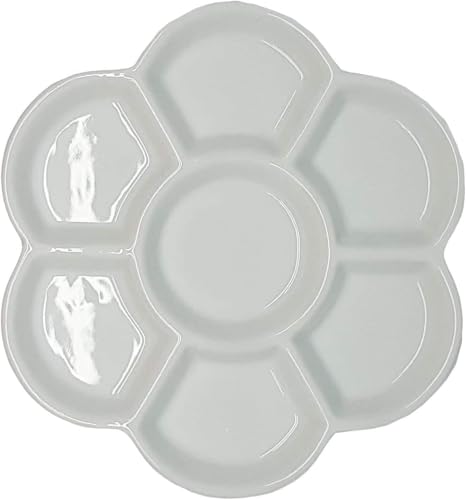
This porcelain palette from Xinjincang offers a non-stick surface and multiple wells for color preparation. Its professional-grade ceramic construction supports color purity and durability for studio sessions and outdoor painting. Best for artists who prefer a high-gloss, easy-to-clean surface and a timeless design. Limitation: porcelain may be heavier than plastic palettes and can chip if dropped.
MEEDEN 12-Well Round Porcelain Palette

MEEDEN’s round porcelain palette provides 12 wells, a compact 7-inch diameter, and a smooth white surface ideal for clean color blending. It’s sturdy for studio use and field trips, with gentle weight that helps it stay in place during painting. Best for artists who want a porcelain option with balanced mixing space without a large footprint. Limitation: fewer wells than some rivals, which may require more frequent color reorganization for large palettes.
Transon Folding Watercolor Palette — 18 Wells

Transon’s folding palette features 18 wells, two large mixing areas, and a large removable mixing tray. The lid seals to help keep paints fresh during outdoor sessions, though it is not completely watertight at the hinge. It’s a strong choice for artists who need a compact, sealable palette for travel. Best for: outdoor painters and travelers who want a secure, portable option. Caution: avoid carrying liquids in the pouch if the hinge seal is stressed over time.
Buying Guide: Key Considerations for a Watercolor Palette
What size and weight matter for travel?
Consider the overall footprint and weight. Smaller, lighter palettes are easier to carry, but may offer fewer wells. For frequent travelers, folding designs can save space without sacrificing mixing area.
How important is an airtight seal?
Airtight lids help keep paints moist and ready to use, especially if you paint intermittently or commute with your supplies. If you work outdoors or in variable climates, an airtight seal can maintain color consistency between sessions.
What material should you choose?
Plastic palettes are lightweight and affordable; porcelain or ceramic palettes provide a non-stick surface and easier cleanup, with a more premium feel. Ceramic options are heavier but can resist staining and bead formation, keeping color true over time.
How many wells do you need?
Beginners may prefer 8–12 wells for basic color mixing, while advanced painters may want 18–24 wells plus multiple mixing areas to manage large color palettes. Folding palettes often balance well count with portability.
Are mixing areas separate enough for your workflow?
Dedicated mixing spaces help prevent color contamination. Look for palettes with two or more large mixing areas if you frequently blend colors or create washes.
Is cleaning important to you?
Non-stick or smooth surfaces simplify cleanup. Ceramic palettes typically wipe clean more easily but may require gentler handling to prevent chipping.
What’s your typical painting environment?
Indoor studios benefit from larger palettes with stable bases, while plein air artists may prioritize lid security and a compact foldable design that seals tightly.
FAQ
- Why use a palette with an airtight lid? It helps keep paints moist between sessions and reduces drying time, especially when painting over several days.
- What is a good number of wells for a beginner? A palette with 8–12 wells is typically enough for foundational color mixing and practice.
- Are porcelain palettes better than plastic? Porcelain palettes provide a non-stick surface and easier cleanup, but they are heavier and more prone to chipping if dropped.
- Should I choose a folding palette for travel? Yes, folding designs save space and are convenient for on-the-go artists who need a compact setup.
- What should I consider for outdoor painting? Look for a palette with a secure lid and a stable base to prevent spills and keep paints ready in variable conditions.
- How important is weight? Lighter palettes are easier to transport, but may have fewer features like larger mixing areas or more wells.
Leave a Reply