Best Piano Toys for Toddlers: Top 5 Learn-to-Play Pianos
Finding a toddler-friendly keyboard that supports early learning and creative play can spark a lifelong love of music. The following selections focus on sturdiness, color-coded keys, and kid-safe design to help young beginners explore rhythm, melody, and coordination. Each option prioritizes age-appropriate features, easy accessibility, and engaging play to support early musical development.
| Product | Brand | Key Features |
|---|---|---|
| Melissa & Doug Learn-to-Play Piano with 25 Keys and Color-Coded Songbook | Melissa & Doug | 25 keys, color-coded songbook, solid wood, two octaves |
| Best Choice Products Kids Classic Wooden 30-Key Mini Grand Piano | Best Choice Products | 30 keys, wooden construction, key stickers for finger placement |
| B. Toys Wooden Toy Piano for Toddlers | B. toys | 25 color-coded keys, songbook, beginner-friendly |
| Melissa & Doug Learn-to-Play Piano – Blue | Melissa & Doug | 25 keys, color-coded, illustrated songbook |
| Baby Einstein and Hape Magic Touch Wooden Toy Piano | Baby Einstein | Touch-activated melodies, Montessori-inspired, color coordination |
Melissa & Doug Learn-to-Play Piano With 25 Keys

The Melissa & Doug Learn-to-Play Piano combines solid wood construction with practical play features designed for toddlers. It includes 25 keys spanning two full octaves and a color-coded illustrated songbook to help young players link notes with corresponding keys. The upright design makes it stable on the floor or a table, supporting early hand-eye coordination as children experiment with simple melodies and rhythms. The instrument’s bright colors and durable build are suited for frequent, supervised play sessions typical of preschool environments.
Best Choice Kids Classic Wooden 30-Key Mini Grand Piano
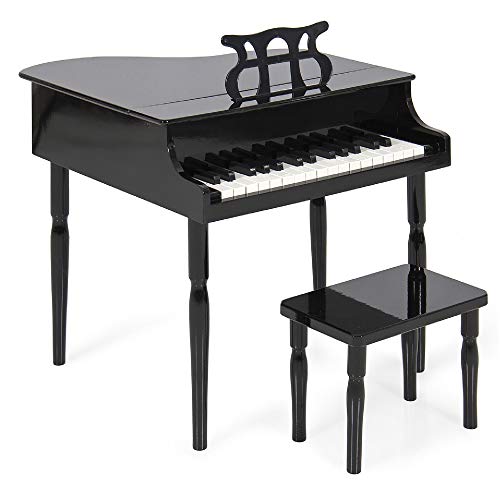
This wooden mini grand piano offers a slightly larger keyboard with 30 keys and a glossy enamel finish. Key stickers help preschoolers place fingers correctly, supporting early musical literacy. The top lid mimics a real grand piano, which can help children understand acoustics and sustain play by opening the lid to explore natural resonance. The instrument’s durable MDF wood construction ensures longevity through enthusiastic practice and pretend performances, encouraging a habit of daily play and exploration.
B. Toys – Wooden Toy Piano For Toddlers

The B. Toys wooden piano emphasizes color-coded learning with 25 keys across two octaves and an easy-to-follow illustrated songbook featuring six songs. The color-coding helps toddlers quickly associate notes with colors, promoting memory, focus, and early reading skills. The wooden frame delivers durability for active play and travel-friendly portability. This option suits families seeking a compact, engaging instrument that blends simple music-making with creative storytelling and pretend play.
Melissa & Doug Learn-to-Play Piano – Blue

This blue variant mirrors the core Learn-to-Play design with a solid wood body and 25 keys across two octaves. It includes a color-coded songbook that guides kids through beginner tunes in English lyrics. The familiar Melissa & Doug build quality emphasizes stability and long-term use, making it a reliable choice for households introducing music education at an early age. The combination of tactile piano keys and visual song prompts supports multisensory learning for toddlers.
Dollox Keyboard Piano For Kids

The Dollox keyboard introduces a larger, 37-key layout with multiple features designed for growing skill levels. It includes eight instrument tones, eight accompaniment styles, eight percussion effects, and demo music with record and playback. A volume control and rhythm options support progression from simple melodies to more complex performances. The 2-in-1 design allows flat play or assembly with a stool, making it adaptable to room size and different play setups as children mature.
BIGFUN Kid Keyboard Piano

The BIGFUN keyboard combines a 37-key setup with multifunctional features, including built-in speakers, ensemble mode, a USB power option, and multiple tones and rhythms. This option emphasizes versatility to keep kids engaged as they grow, offering different modes of play, recording capabilities, and a user-friendly power setup for home use. The robust build and safety certifications position it as a practical option for families seeking a budget-friendly, feature-rich toddler piano experience.
Baby Einstein and Hape Magic Touch Wooden Toy Piano
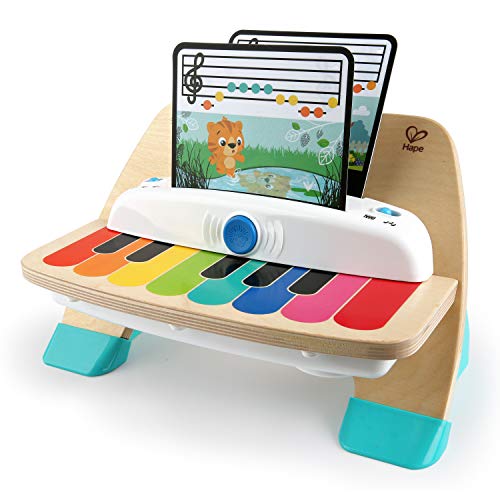
This Montessori-inspired piano emphasizes touch to produce melodies, with color-coded notes that align with sheets to foster early reading and color recognition. The magic touch concept encourages sensory exploration, and the included music sheets provide gradual learning paths from familiar tunes to new melodies. Volume control and clear, high-quality sound support a comfortable listening environment for toddlers and caregivers during play sessions focused on musical discovery and coordination development.
Buying Guide: Key Considerations For Selecting A Toddler Piano
- Age-appropriate design: Look for materials that are sturdy, safe, and sized for small hands. Two to three octaves are common for beginners and reduce frustration while learning basic melodies.
- Learning supports: Color-coded keys, illustrated songbooks, and simple demo tunes help toddlers connect visuals with sound, reinforcing early literacy and musical concepts.
- Durability and materials: Wood constructions typically offer longevity, while plastic builds may be lighter and more portable. Consider how the instrument will endure frequent handling and travel.
- Expandability: Some models offer extra keys, multiple instrument sounds, or recording features that can grow with a child’s skills and keep them engaged as they progress.
- Portability and storage: Compact designs with optional stools or adjustable heights suit small living spaces and growing kids who may move the instrument between rooms or the yard.
- Safety and maintenance: Check for non-toxic finishes, rounded edges, and ease of cleaning. Regular inspections keep playtime safe and enjoyable.
- Sound quality and volume: Look for instruments with clear tones and adjustable volume—important for apartment living or late-afternoon practice sessions.
- Price-to-value balance: Evaluate how features align with your child’s age and interests. A durable, well-supported beginner piano often yields longer-lasting engagement than a feature-heavy, short-lived toy.
- Brand reliability: Reputable brands in early education hardware can provide better customer support, replacement parts, and accessories as a child’s musical journey grows.
Leave a Reply