Best Pinking Shears for Fabric: Durable Zigzag Edge for Clean Cuts
Pinking shears are a sewing room staple, designed to prevent fabric from fraying and to create decorative edges. Whether you’re a hobbyist, a Pro-Series sewer, or a crafts enthusiast, the right pinking shears can improve cutting accuracy, reduce fatigue, and extend blade life. This guide highlights five top-rated options, with a focus on durability, comfort, and performance across fabrics—from light cottons to heavier denims. Each product listing includes essential features to help you compare at a glance and choose the best match for your projects.
Summary of selected products
| Product | Brand | Key Feature | Image |
|---|---|---|---|
| Fiskars Pinking Shears, 8 Inches | Fiskars | High-grade stainless steel blades; ergonomic handle | 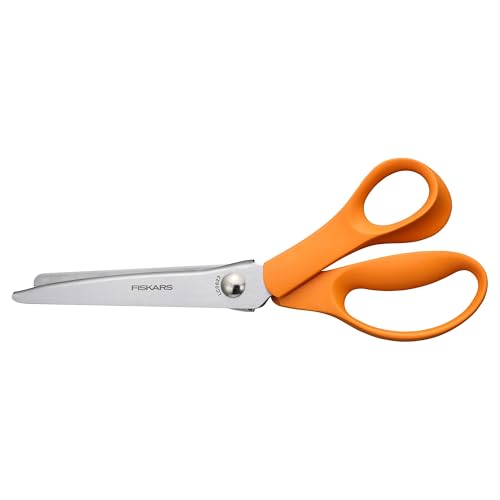 |
| SINGER ProSeries 9″ Pinking Shears | SINGER | Heavy-duty stainless steel blades; ergonomic grip | 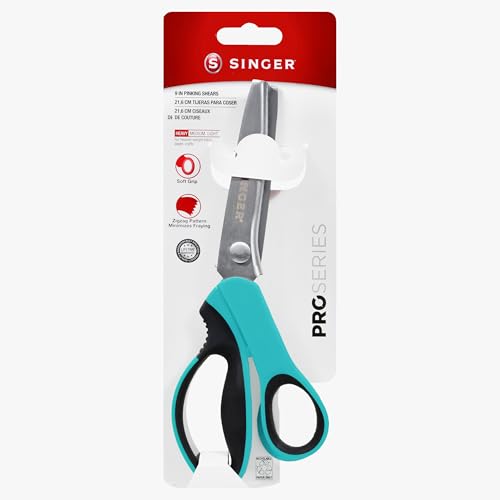 |
| Gingher Dressmaker’s Fabric Scissors, 8″ | Gingher | Knife-edge blades; long-lasting chrome-nickel finish |  |
| Westcott Pinking Shears, 9.5″ | Westcott | Titanium-bonded blades; soft ergonomic handles | 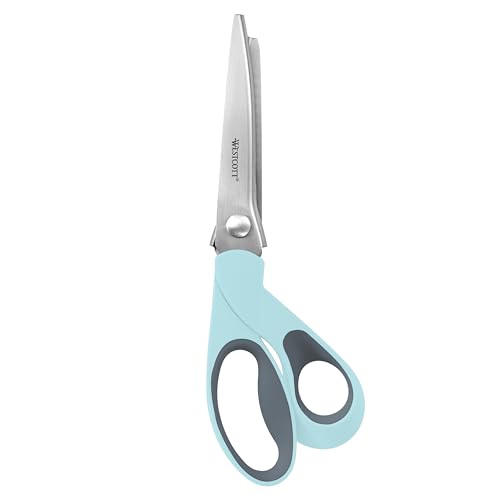 |
| Long Ying Pinking Shears, 9.2″ | Long Ying | Stainless steel; suitable for left and right-handed users |  |
Fiskars Pinking Shears, 8 Inches
Fiskars pinking shears feature a zigzag edge to prevent fabric unraveling and provide a decorative finish. The blades are made from high-grade stainless steel for precision and durability, while the ergonomic handle accommodates various hand sizes for comfortable, prolonged use. These 8-inch scissors are suitable for a range of fabrics, from lightweight cottons to medium-weight blends, making them a versatile choice for sewers and crafters.
SINGER ProSeries 9″ Pinking Shears
SINGER ProSeries 9″ pinking shears use a specialized zigzag blade pattern to help prevent fabric fraying with every cut. Built from high-grade stainless steel, these blades are designed for long-lasting sharpness and reliable performance across frequent sewing sessions. The ergonomic, contoured handle helps reduce hand fatigue, ensuring comfortable use during extended projects and crafting tasks.
Gingher Dressmaker’s Fabric Scissors, 8″
Gingher Dressmaker’s Scissors are a staple for precision cutting. Featuring knife-edge, forged-steel blades and a long cut length, they excel at cutting patterns and long fabric swaths. The durable chrome-over-nickel finish adds longevity and a professional edge. While primarily known for precise cuts, these shears are also a reliable option for achieving clean, decorative edges on fabrics that require detailed work.
Westcott Pinking Shears, 9.5″
Westcott Pinking Shears combine titanium-bonded blades—three times harder than untreated stainless—with soft, ergonomic handles. This combination offers durability and comfort for long cutting sessions. The 9.5-inch blade length is well-suited for larger fabric projects, quilts, and craft edging, while the zigzag edge helps minimize fraying on seams and edges across a range of fabrics.
Long Ying Pinking Shears, 9.2″
Long Ying offers stainless steel pinking shears designed for left- and right-handed users. The serrated blades maintain sharpness across repeated use, delivering clean zigzag cuts on multiple fabric layers. The soft, non-slip handle is built for prolonged comfort, though users should avoid frequent cutting of thick, heavy fabrics to extend blade life.
Buying Guide: Key Purchase Considerations
- Blade material and construction: Look for high-grade stainless steel or titanium-bonded blades for durability and long-lasting sharpness. Knife-edge blades offer precision for pattern work, and zigzag edges help prevent fraying.
- Blade length and cutting capacity: Larger blades (8–9.5 inches) handle wider cuts and multiple layers more efficiently, while smaller blades offer control for intricate tasks. Consider the fabrics you most often work with.
- Ergonomics and comfort: An ergonomic handle reduces hand fatigue, especially during long sessions. Contoured or soft-grip handles can benefit both left- and right-handed users.
- Durability and maintenance: Stainless steel blades resist corrosion; some models feature reinforced finishes. Regular cleaning and drying prevent rust and extend life.
- Intended use: For delicate fabrics, prioritize precision and edge quality; for heavy fabrics, prioritize blade strength and stability. Some sets include shears for crafts, quilting, and tailoring alike.
- Price vs. value: Premium brands often deliver longer-lasting blades and better comfort, which can justify higher upfront costs for frequent sewers. Assess your typical project load.
Across the options, most users should consider blade durability, a comfortable grip, and the blade length that matches their typical fabric projects. For frequent quilting and garment sewing, a 9-inch or longer pair with a titanium-bonded edge tends to offer the best longevity and performance. For occasional crafting or hemming, a well-made 8-inch pair with ergonomic handles provides solid value and reliable cuts.
Leave a Reply