Best Portable Sewing Machines for on-the-Go Crafting
Finding a compact, feature-rich sewing machine that travels well can boost DIY projects, repairs, and creative stitching anywhere. This guide highlights five portable models that combine portability with essential features for beginners and intermediate sewists. Each listing includes key capabilities to help you compare at a glance and decide which machine fits your needs.
Summary Of Selected Products
| Product | Brand | Key Features |
|---|---|---|
| Brothers XM2701 Sewing Machine | Brother | 27 stitches, auto needle threader, 6 feet Included |
| SEDNEE Beginner Sewing Machine | SEDNEE | 16 built-in stitches, beginner-friendly, foot pedal control |
| Handheld Mini Sewing Machine | WITIFIG | Ultra-portable, two power modes, suitable for small repairs |
| SINGER M1150 Portable Sewing Machine | SINGER | 16 stitches, top drop-in bobbin, 4-step buttonhole |
| Brother GX37 Sewing Machine | Brother | 37 stitches, auto-size buttonhole, 6 included feet |
Brother XM2701 Sewing Machine

The XM2701 offers 27 built‑in stitches, including decorative and stretch options, plus an auto-size buttonhole. It features an automatic needle threader and a jam-resistant drop-in top bobbin for smooth operation. Included accessories cover a complete starter kit with six presser feet, a three‑piece needle set, a twin needle, bobbins, a manual, and an instructional DVD. This combination makes it well-suited to home projects and travel-friendly usage.
SEDNEE Sewing Machine for Beginners
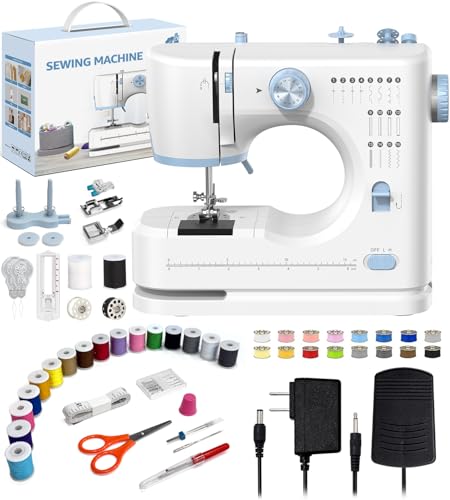
This blue, beginner-friendly model provides 16 built-in stitches and intuitive controls. It includes clear threading guides and a responsive foot pedal for speed control, helping new users master basic sewing techniques and repairs. The compact design is ideal for small spaces, crafts, and light home projects, offering a simple path from learning to practicing routine stitches with control.
WITIFIG Handheld Mini Sewing Machine

The handheld model prioritizes portability with a compact build and dual power options, including battery use (AA) or DC power. It’s designed for quick repairs, seaming small fabrics, and hobby projects while traveling. Its practicality shines in on-the-spot fixes and light-duty sewing tasks, though it is best for small-scale applications rather than full-size garment construction.
SINGER M1150 Portable Sewing Machine

With 16 stitches, a top drop-in bobbin, a 4-step buttonhole, and an easy stitch selector, the M1150 is designed for portability and straightforward operation. The space-efficient footprint makes it suitable for travel or compact workspaces. The machine balances basic versatility with user-friendly features, appealing to casual sewers and hobbyists tackling repairs or simple garments.
Brother GX37 Sewing Machine
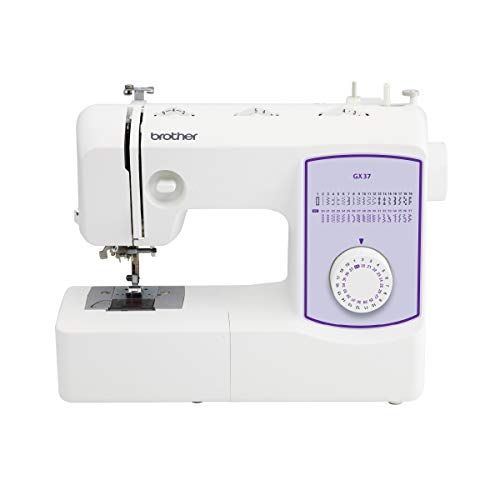
The GX37 expands capability with 37 built-in stitches and an auto-size buttonhole, plus automatic needle threading and a jam-resistant top bobbin. Six included sewing feet provide versatility for a range of tasks, from mending and alterations to more intricate decorative projects. Its balance of stitch variety and portability makes it a strong option for travelers who still want a capable machine at home.
Xosewiuii Portable Sewing Kit

Note: This listing combines a compact sewing machine with an extensive kit for beginners and kids. It emphasizes portability and a complete bundle, including an expansion table and a wide array of accessories. It’s suitable for light daily projects and kid-friendly sewing tasks, offering a foundation for learning in a structured kit.
Buying Guide: Key Considerations When Choosing a Portable Sewing Machine
Choosing a portable sewing machine involves weighing portability, power options, stitch variety, and user intent. Consider the following perspectives to determine the best fit for your sewing style:
- Portability and size: If you plan to travel, look for a lightweight model with a compact footprint and a carry-friendly handle or case. Consider the machine’s weight and whether it fits your travel plans or small-space use.
- Stitch variety and purpose: For basic repairs and simple garments, 12–16 stitches may suffice. For creative projects, consider machines offering 27–165 stitches or more, plus at least one auto-size buttonhole feature.
- Ease of use: Beginners benefit from clear threading guides, intuitive controls, and automatic needle threading. A user-friendly top drop-in bobbin system helps reduce jams and setup time.
- Power options: USB, battery, or traditional AC adapters affect where you can use the machine. Handheld or battery-powered units excel in quick fixes; full-size portable machines typically rely on an electrical outlet.
- Accessories and expandability: A kit with presser feet, bobbins, needles, and a manual adds value. Some machines include instructional DVDs or access to online tutorials.
- Durability and warranty: Look for metal components where possible, reliable stitching guides, and manufacturer warranties that cover typical home sewing usage.
- Maintenance and support: Consider the availability of parts, replacement bobbins, and customer support channels for troubleshooting.
When evaluating options, align the machine’s capabilities with your most common projects—alterations and quick repairs may require portability and simplicity, while crafting or quilting might demand more stitches and adjustable features.
Leave a Reply