Best Pouring Medium for Acrylic Paint: Top Picks for 2026
Choosing the right pouring medium can dramatically improve flow, reduce cracking, and help you achieve cleaner cells and vibrant glazes in acrylic pours. This guide highlights five top-performing options, with practical notes on volume, finish, and suitability for large or small projects. Each entry includes a quick feature snapshot and a direct link to Amazon for convenience.
Summary of chosen products
| Product | Brand | Size | Key Benefit |
|---|---|---|---|
| Nicpro Pouring Medium | Nicpro | 69 oz / 2040 ml | Large volume with pump for bulk projects; high flow and anti-fade |
| Artecho Pouring Effects Medium (8 oz) | Artecho | 8 oz / 235 ml | Small-batch option; easy to see usage; improves flow and glaze |
| Artecho Pouring Effects Medium (64 oz) | Artecho | 64 oz / 1.89 L | Low-cost bulk option with visual bottle; ideal for studios |
| U.S. Art Supply 32 oz Gloss Pouring Medium | U.S. Art Supply | 32 oz / 1 quart | Gloss finish; enhances flow and cell potential |
| DecoArt Pouring Medium 16 Fl Oz | DecoArt | 16 oz | Reliable medium with cell effects and non-yellowing film |
The following sections explore each product in detail, highlighting how it complements different painting styles, surfaces, and project scales. Each section stays within a practical range for independent reading and decision-making.
Nicpro Pouring Medium For Acrylic Paint

The Nicpro Pouring Medium comes in a sizeable 69-ounce bottle with a built-in pump, ideal for classrooms, workshops, or artists who pour frequently. The high-flow formula mixes with acrylics to reduce viscosity, improve flow, and increase transparency and smoothness. It helps prevent colors from muddying and aids anti-fade properties as the paint dries. The bottle is translucent and designed to let you monitor usage, minimizing mid-project shortages. This option suits ongoing projects where consistent pouring performance matters, and the pump reduces spills during dispense.
Key considerations: large volume minimizes refills, built-in pump enhances workflow, and the formula stabilizes flow while maintaining color integrity. Best for frequent pours and group projects where efficiency and consistency are priorities.
Apple Barrel Pouring Medium

Apple Barrel’s 16-ounce Pouring Medium is a compact choice for hobbyists and casual painters. It enables marbled and swirled effects by transforming acrylic paint into a pourable medium. The finish dries to a satin sheen, providing a refined look on both light and dark surfaces. It supports multiple pouring techniques, including dirty pours and direct pours, making it versatile for experimentation without committing to large volumes. This option is accessible and easy to handle for beginners exploring fluid art.
Key considerations: smaller size for trial runs, satin finish that suits various substrates, and compatibility with several pouring techniques. Ideal for learners and occasional creators exploring new textures and patterns.
DecoArt Pouring Medium

DecoArt Pouring Medium is a trusted option for artists seeking reliable cell effects and a flexible film that resists cracking. This 16-ounce bottle is well-suited for a range of surfaces and pouring methods. The medium is designed to remain non-yellowing, preserving color accuracy over time. It’s compatible with various acrylics and can be mixed with paints to achieve the desired viscosity and flow. DecoArt is recognized for consistent performance and a relatively forgiving user experience, especially for mid-sized projects.
Key considerations: non-yellowing formula, good cell potential, and a balance between flow and stability. A practical pick for artists prioritizing durability and predictable results on mixed media surfaces.
Artecho Pouring Effects Medium (8 oz)

Artecho’s 8-ounce Pouring Effects Medium offers a translucent formula with a visual bottle for precise measurement. It reduces viscosity to improve brush stroke response and creates smooth glazes with enhanced flowability. The medium aids in achieving brighter, more transparent finishes and is particularly effective when used in combination with acrylic paints to facilitate pouring across canvases, boards, or stones. This size is convenient for focused projects or experimentation with new color blends.
Key considerations: compact size for testing techniques, clear bottle for monitoring, and improved flow and brightness for glazes and pours. Suitable for artists refining their pouring technique or trying new color palettes.
U.S. Art Supply Floetrol Pouring Medium

U.S. Art Supply’s level of versatility is showcased with its 32-ounce gloss pouring medium, designed to improve flow and cell development. It provides a clear gloss finish that enhances color vibrancy and helps create smooth poured sheets and puddles. The product is compatible with acrylic paints and pigments on canvases, wood, and other surfaces, and the viscosity adjuster properties help prevent cracking and fading. This option is well-suited for artists seeking a glossy look with strong flow and prominent cell formation.
Key considerations: gloss finish to elevate color brightness, reliable cell formation, and compatibility with various substrates. A solid choice for achieving a polished, high-gloss pour with dramatic color separation.
Flood 1 Gal. Floetrol
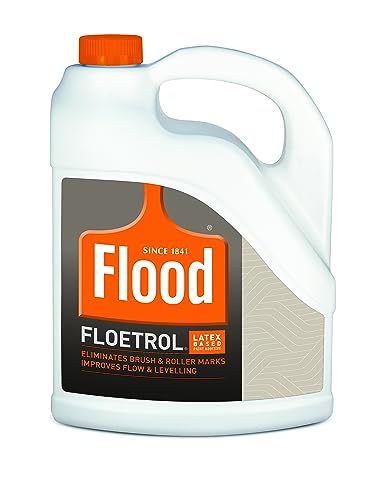
Flood Floetrol is a widely used additive for acrylic and latex paints, expanding the usefulness beyond traditional pouring mediums. It fortifies paints to improve performance, reducing brush marks and allowing latex paint to spray more like oil-based paint. It also contributes to a fresh appearance by resisting mold and mildew growth. This product is particularly valued for its versatility across indoor and outdoor applications and for improving the working time of pours when combined with acrylics.
Key considerations: broad paint compatibility, brush marks reduction, and sprayability. A pragmatic option when working with mixed media or projects that transition between painting and pouring techniques.
Buying Guide: Key Purchase Considerations
- Project scale and volume: Large-volume mediums (like Nicpro) minimize refills for big projects but may be overkill for hobbyists. Choose based on expected production time and number of pieces.
- Finish and appearance: Gloss vs satin vs matte affects how colors read after drying. Consider whether you want a bright, high-contrast look or a subtler sheen.
- Viscosity and flow: Some mediums reduce viscosity to improve flow; others stabilize the mix to promote cell formation. Test small amounts to match your technique.
- Transparency and drying: Translucent mediums help maintain color depth; check for anti-fade properties if color longevity matters.
- Visual monitoring: Bottles with clear, see-through design help track usage and avoid mid-project shortages.
- Cracking and aging: Non-yellowing and crack-resistant formulas are important for long-lasting artworks and multiple layers.
- Surface compatibility: Ensure the medium works well on your preferred surfaces—canvas, wood, glass, or stone can influence results.
- Technique suitability: Dirty pours, direct pours, and matrix pours have different medium requirements. Some products excel with specific methods.
- Budget and value: Bulk options save money per ounce but require upfront investment. Balance cost with expected output.
In summary, the best choice depends on project size, desired finish, and your preferred pouring technique. Large-volume options are excellent for studios and classrooms, while smaller bottles favor experimentation and beginners. A reliable gloss medium can enhance color brightness and cell formation, whereas non-yellowing formulas help preserve color integrity over time. Consider starting with a mid-range option to evaluate flow, finish, and handling before scaling up.
Leave a Reply