Best Resin Filler for Plastic: Top Picks for Quick, Strong Repairs
When repairing or building with resin and plastics, choosing the right filler is essential for a durable, seamless finish. This guide highlights high‑performing resin fillers and putties that work well on plastic surfaces, including UV‑cured options and two‑part epoxy systems. Each product below is selected for ease of use, curing time, and lasting results in American workshops and hobby work alike. Read on to compare options and find the best fit for your repair project.
Summary of Selected Products
- J-B Weld Plastic Bonder Body Panel Adhesive and Gap Filler Syringe – Black, 25 ml (Brand: J-B Weld)
- FUNCRECOL UV Light Curing Putty (50 g) for Resin, Plastic, and More (Brand: FUNCRECOL)
- U.S. Chemical & Plastics Special Lite Lightweight Filler, 0.8 Gallon (Brand: U.S. Chemical & Plastics)
- FUNCRECOL UV Light Curing Putty for Model Kit Repairs & Detailing (Brand: FUNCRECOL)
- Epoxy Putty, 200 g Epoxy Filler for Plastic, Metal, Glass, and Other Surfaces (Brand: WAN2TLK)
J-B Weld Plastic Bonder Body Panel Adhesive

Plasticbonder is a quick‑set, two‑part urethane adhesive designed for bonding and gap filling on thermosets, carbon fiber, thermoplastics, coated metals, and more. It uses a 1:1 mixing ratio, sets in about 15 minutes, and can be sanded after 30 minutes. With a tensile strength around 3770 psi, it delivers a durable, permanent bond suitable for panel repairs and other plastic applications. Its broad compatibility supports a range of plastic repair scenarios, from automotive to hobby projects.
FUNCRECOL UV Light Curing Putty (50g)

This UV‑curing putty cures in under one minute with a UV light (365–405 nm), enabling rapid filling of nicks, scratches, and cracks in resin, quartz, ceramic, plastic, wood, and stone. It offers a toothpaste‑like consistency for smooth application, is easy to sand, and can be painted or polished after curing for a professional finish. Its fast cure and versatile use make it a go‑to for quick model repairs and detailed work on plastic components.
U.S. Chemical Special Lite Lightweight Filler
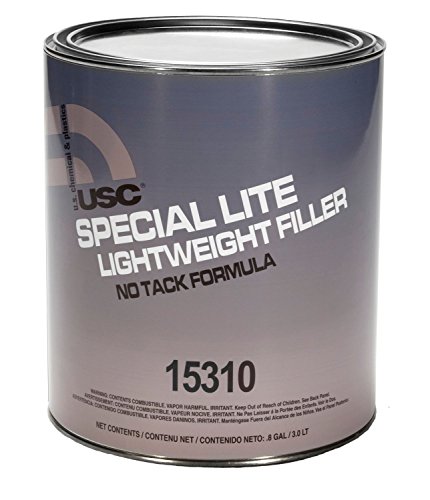
Special Lite Lightweight Filler is a gallon‑sized filler designed for automotive and craft applications. It provides a light weight, smooth finish suitable for plastic surfaces and larger repair jobs. This filler helps reduce weight in assemblies while delivering fatiguing results with multiple coats and sanding. It’s compatible with a range of plastics and can be used for filling, leveling, and minor shaping in preparation for painting or finishing.
FUNCRECOL UV Curing Putty for Model Repairs
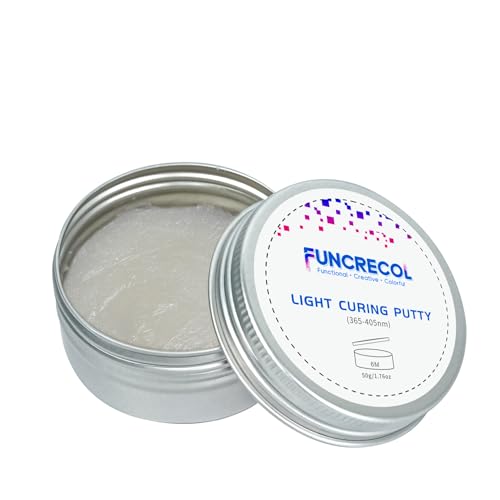
This UV‑cured putty is engineered for model repair and detailing, delivering a hardness around 85D after curing. It bonds to resin, plastic, wood, stone, and other substrates, and it’s suitable for filling, repairing, and even minor welding of parts. The product cures quickly under UV light, offering a strong, paintable surface that resists shrinkage and degradation, ideal for precise restoration projects in plastic models and miniatures.
WAN2TLK Epoxy Putty (200 g)

This two‑part epoxy putty provides strong adhesion and high malleability prior to curing. It cures to a hard, watertight surface with excellent resistance to heat, cold, corrosion, and aging. It bonds to metals, hard plastics, glass, ceramics, wood, and more, making it a versatile choice for fast repairs, leaks, and structural bonding on plastic components. The long‑lasting repair performance is suited for demanding applications where strength matters.
Buying Guide
- Material compatibility: Check whether the filler is designed for plastics, resins, or a broad mix of substrates to ensure optimal bonding.
- Curing mechanism and time: UV‑curing putties offer very fast handling; two‑part epoxies provide strong bonds but may require longer curing and mixing.
- Strength vs. work time: For structural repairs, prioritize higher tensile strength; for fine detailing, faster working time helps prevent sagging.
- Finish characteristics: Sandability, paintability, and shrinkage influence final appearance; choose accordingly for visible surfaces.
- Packaging and size: Larger containers are cost‑effective for big jobs; smaller tubes or syringes suit hobby projects or spot repairs.
- Ease of use: Some products require precise mixing or UV equipment; others are ready‑to‑use putties with simple applications.
- Temperature and exposure: Consider heat resistance and environmental exposure if repairs are in hot or cold environments.
- Waterproof and chemical resistance: For repairs exposed to moisture or chemicals, select a filler with appropriate resistance.
- Application tools: Spreader kits and contouring tools help achieve smooth, even finishes on larger areas.
Selecting the right resin filler for plastic hinges on project goals: speed, strength, and finish. The options above cover quick UV cures for models, robust two‑part epoxies for structural fixes, and general purpose fillers for automotive and craft applications. Evaluating substrate type, cure time, and final appearance will guide you to the best choice for your next repair or build.
Leave a Reply