Best Sand for Sand Tray: Top Picks for Therapy and Play
Choosing the right sand for a sand tray or sensory activity can influence texture, cleanliness, and therapeutic outcomes. The following selections focus on fine textures, low dust, and reliable performance across home, classroom, and clinical settings. Each pick is evaluated for safety, moldability, and ease of use to support exploration, creativity, and sensory development.
The table below highlights five highly compatible options sourced from reputable brands. Consider your tray size, age group, and whether you prefer fine artisan sands or bulk play sands for larger setups.
| Product | Brand | Use Case |
|---|---|---|
| RAINFLOW 15 OZ Fine White Sand | RAINFLOW | Crafts, Zen trays, vase fillers |
| Classic Sand and Play Sand | CLASSIC SAND & PLAY | Sandbox, therapy, indoor/outdoor play |
| U.S. Silica Large 50 Pound Play Sand | U.S. Silica | Children’s art trays, sand tables |
| Sandtastik Therapy Play Sand – White, 25 lb | Sandtastik | Therapy trays, sensory tables |
| AtMini Sensory Bin Sand Tray with Lid (Pink + Blue) | AtMini | Portable sensory bins, color-matched kits |
RAINFLOW Fine White Sand For Crafts

RAINFLOW’s fine white sand is crafted from quartz with a 40–80 mesh range, delivering uniform particle size and a soft, dust-free feel. This makes it suitable for sand bottle art, zen sand trays, and aquarium accents. The neutral white color enhances contrast in artistic projects and therapy setups, helping users distinguish textures and forms during exploration. The sand’s low-odor profile supports indoor environments, reducing distractions during focused activities. It also serves as an appealing vase filler or decorative element for weddings and events, adding elegance without overpowering other design features.
In practice, this sand balances precision and play. The uniform granules hold shapes well for molding and stacking in tray setups while remaining easy to rake and level. Its lack of strong fragrance or dust helps maintain a clean workspace, which is important for therapists and educators who manage busy sensory stations. While designed for crafts and decoration, the material’s gentle consistency also supports early sensory experiences for younger children, particularly when paired with minimal distractions and simple tools.
Classic Sand And Play Sand For Sandbox
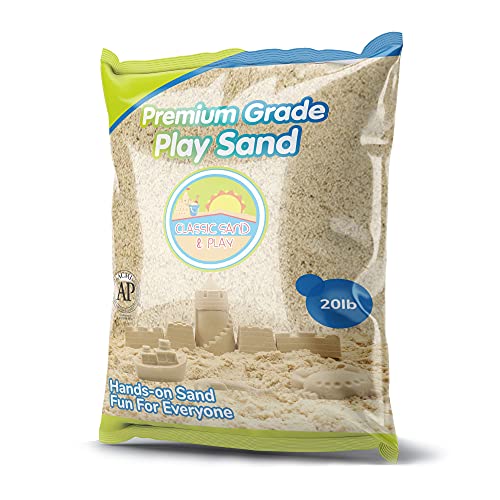
The Classic Sand & Play sand is a premium-grade option designed for safety and versatility. The material is soft, washable, and thoroughly processed to ensure it’s non-toxic, making it suitable for indoor and outdoor play, classrooms, and therapy sessions. The product is intended to support a range of learning activities—from building and sculpting to more specialized sand tray therapy scenarios—without compromising on texture or cleanliness. Its tactile granularity promotes sensory feedback, helping children improve motor planning and fine motor skills as they manipulate molds, cups, and tools.
Therapy and education applications benefit from its dependable consistency. The sand’s natural color and uniform texture reduce visual distraction while allowing therapists to guide sessions with precise materials. In group settings, educators can mix it with water, beads, or other items to create mixed-sensory stations. The sand’s durability supports repeated use and long sessions, while its easy cleanup minimizes downtime between activities. Overall, it’s a balanced option for homes, clinics, and classrooms seeking reliable, safe play material.
U.S. Silica Large Play Sand

U.S. Silica offers a large, finely graded play sand that is fully washed and ready for immediate use. Packaged as a single 50-pound bag, it is designed for bulk setups such as larger sand trays, therapy rooms, and classrooms where bigger volumes are required. The white hue accentuates color in trays and art projects, while the fine yet cohesive texture helps kids form shapes, trails, and miniature landscapes with minimal crumbling. The product’s non-toxic composition and thorough washing support safe use by children across varied ages, providing a reliable foundation for sensory exploration and visual storytelling.
Performance considerations include how the sand holds its shape when damp and how easy it is to clean up after play. This option generally excels in environments that need steady replenishment or large-area coverage. While it is bulkier to transport than smaller bags, its cost-to-volume ratio makes it a practical choice for schools, therapy centers, and families with many active participants. It pairs well with tools like trays, rakes, and molds to create diverse sensory experiences.
Sandtastik Therapy Play Sand

Sandtastik Therapy Play Sand is specifically formulated for therapy professionals, classrooms, and sensory environments. The white, cleanly processed sand is ideal for sand trays, sensory tables, and water play. Its coarse texture supports a range of tactile experiences while remaining manageable for young children. The material’s consistency favors therapists who encourage imaginative play, as it holds impressions well and responds predictably to tools and molds. The 25-pound box is a practical size for clinics and small classrooms, enabling controlled setups and easy storage between sessions.
From a therapeutic perspective, the sand’s sensory qualities—soft touch, fine granularity, and reassuring mass—provide a stable medium for exploring feelings, narratives, and fine motor development. Educators can pair the sand with shells, beads, or figurines to create structured activities or free-form storytelling. Clean-up is straightforward, as with similar play sands, supporting efficient transitions between activities. Overall, Sandtastik offers a dependable option for both therapy professionals and educators seeking a dedicated sensory material.
AtMini Sensory Bin Sand Tray With Lid (Green+Blue)

This AtMini sensory bin set includes two large plastic trays with lids, designed for portability and space efficiency. The green and blue color options appeal to children and can help with color-based sorting activities. The lids make storage and transport easier, reducing mess during transitions. The trays are sturdy, easy to clean, and suitable for holding sand, water, beads, and other manipulatives. The size is appropriate for small classrooms, clinics, or home use where space is limited, while still offering ample room for dynamic sensory play and therapy tasks.
In practice, these trays support a wide range of activities beyond sand, including bead sorting, water play, and mixed-media projects. Their stackable design helps with organization, while the durable construction withstands daily use in active environments. The variety of color options can assist therapists and educators in creating thematic stations or group activities, enabling shared experiences without compromising individual exploration. Overall, a versatile, portable option for sensory play that travels well between locations.
Buying Guide: Key Considerations For Choosing Sand For Sand Trays
- Texture And Particle Size: Fine, uniform grains reduce dust and provide smooth molding. Consider mesh range and whether the sand holds impressions well when used with tools or in water-based activities.
- Safety And Non-Toxicity: For children, therapists, and classroom use, select sands that are non-toxic, well-washed, and free of odors and loose particulates to minimize respiratory concerns and allergies.
- Color And Aesthetics: Whites and naturals tend to minimize distraction and enhance contrast with accessories. Colorful sands may support certain therapies or thematic activities but can be visually dominant in some trays.
- Volume And Storage: Determine the required quantity based on tray size and user count. Bulk bags are cost-effective for larger setups, while smaller bags offer flexibility for individual stations.
- Portability And Durability: For home use, clinics, or classrooms that move between spaces, consider trays with lids and stackable designs to reduce mess and improve organization.
- Maintenance: Look for sands that are easy to clean and reuse. Some sands resist clumping when dry and wash out cleanly when spilled on surfaces.
- Compatibility With Other Materials: Some therapies benefit from mixing sand with water, beads, shells, or figurines. Confirm that your chosen sand performs well across your intended activities.
- Therapeutic Fit: For sand tray therapy, consider texture stability, traceability of impressions, and how the material reacts with specific tools used in sessions.
Additional Notes On Selection And Use
When building a sand tray or sensory station, balance is key. A mix of fine sand for molding and coarser components for texture can provide a richer sensory experience. For educational settings, aligning sand choices with lesson plans—such as color sorting, shape creation, or narrative play—can maximize engagement. Always supervise young children during play and ensure a clean, dust-minimized environment to maintain safety and focus during activities.
Leave a Reply