Best Sewing Machines for Fashion Design Students: Learn, Create, and Craft
Choosing the right sewing machine helps fashion design students turn ideas into garments efficiently. This guide highlights devices suited for beginners and intermediate projects, from sturdy mechanical machines to compact portable options. Each pick balances function, ease of use, and potential for future growth in a fashion curriculum. The selections below include a mix of full-size machines and handy, portable models ideal for dorm rooms, studio spaces, or on‑the‑go alterations.
Summary of chosen products
| Product | Brand | Key Strengths |
|---|---|---|
| Brother XM2701 | Brother | 27 stitches, auto needle threader, drop-in bobbin, six feet |
| LEETAT Handheld Sewing Machine | LEETAT | One-button operation, dual-speed, portable |
| Janome Cat Fancy | Janome | Front-loading bobbin, metal interior frame, beginner friendly |
| Brother SE700 | Brother | Seamless sewing and embroidery, wireless transfer, touchscreen |
| Powerhelper Mini Sewing Machine | Powerhelper | Compact, beginner-friendly, dual speed |
Brother XM2701 Sewing Machine, Lightweight and Full-Featured

The Brother XM2701 is a versatile, entry-level machine with 27 built-in stitches, including decorative and stretch options. Its automatic needle threader and jam-resistant, drop-in top bobbin simplify setup for students juggling coursework. With six included feet and a 3-piece needle kit, users can tackle projects ranging from basic hems to decorative details on garments. This model supports a broad range of fabrics, making it suitable for fashion design students developing pattern work and sample garments.
LEETAT Handheld Sewing Machine for Beginners

The LEETAT handheld model is designed for quick fixes and on-the-go repairs—ideal for fashion students who need to adjust samples between classes. It features one-button operation, a dual-speed setting for straight stitches, and two power options (AA batteries or USB). Its portability encourages experimentation with small projects and fast alterations on fabric swatches, muslin fittings, or accessory samples without setting up a full-size machine.
Janome Cat Fancy Easy-To-Use Sewing Machine

Janome Cat Fancy emphasizes beginner-friendly features with a sturdy interior metal frame and front-loading bobbin for intuitive threading. Its 15 built-in stitches and a 4-step buttonhole provide enough options for basic garment construction while remaining approachable for students new to machine sewing. The removable free arm and adjustable stitch length lend flexibility for hemming, sleeve cuffs, and small garment alterations, aligning well with early fashion-design coursework.
Brother SE700 Sewing and Embroidery Machine
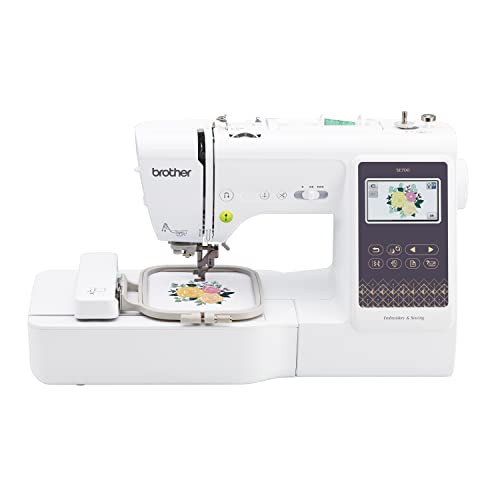
The Brother SE700 blends sewing and embroidery in one capable machine, making it a standout for fashion design students exploring branding and embellishment. With 135 built-in designs and 103 stitches, plus wireless connectivity and a color touchscreen, it supports embroidery projects, pattern experiments, and professional finishes. The Design Database Transfer software and mobile app compatibility help students transfer motifs and try new ideas without external hardware barriers.
Powerhelper Mini Sewing Machine for Beginners

Powerhelper offers a compact, beginner-friendly option designed for space-conscious studios or dorm rooms. With a dual-speed control and an easy setup described in its manual, this mini machine is ideal for students who want to practice simple seams, repairs, or practice runs of small projects between classes. Its portable design supports study on the go, enabling rapid prototyping of ideas on a budget.
Additional Product Notes
Each machine presents a distinct balance of versatility, footprint, and learning curve. For fashion design students, prioritizing stitch options, ease of setup, and room for sample sizes is common. Embroidery-capable models like the SE700 broaden creative possibilities, while compact handhelds excel for on-site alterations or quick tests. When evaluating models, consider fabric variety, thread compatibility, maintenance needs, and whether you’ll benefit from presser-foot variety or extension tables for larger projects.
Buying Guide for Fashion Design Students
- Project scope: If you’ll work with embroidery or decorative surfaces, prefer machines with built-in embroidery or easy accessory integration.
- Fabric tolerance: Choose a machine that handles common textiles used in fashion curricula—cotton, muslin, knits, and lightweight wovens.
- Ease of use: Look for automatic needle threading, jam-resistant bobbins, and intuitive stitch selection to maximize class time.
- Upgrade path: A model with additional feet, adjustable stitch length/width, and a removable free arm supports growing skills in garment construction.
- Portability vs. power: For tight spaces or shared studios, a compact machine is convenient; for heavier fabrics and larger samples, a full-size or sturdy mid-range model is preferable.
- Maintenance: Regular cleaning, proper needle and thread compatibility, and simple access to servicing are valuable for student schedules.
- Software and connectivity: Wireless transfer, card readers, or compatibility with design software can streamline pattern transfers and motif testing.
To maximize learning, pair a capable machine with essential accessories: a basic set of universal needles, a few presser feet ( zipper, buttonhole, zigzag), extra bobbins, fabric scissors, a seam ripper, and a good thread selection. For embroidery-focused work, consider compatible software and design libraries that align with your curriculum or personal projects.
Leave a Reply