Best Sewing Machines for Girls: Safe, Fun Choices for Young Makers
Looking for the best sewing machines for girls who are just starting out? This guide highlights beginner-friendly options designed to inspire creativity, build confidence, and keep young learners safe. Each pick is suited for different needs—some are ultracompact for portability, others include kid-oriented features like finger guards and simple controls. The top five selections below balance ease of use with practical sewing capability, helping aspiring young designers explore crafts, fashion, and DIY projects.
| Product | Best For | Why It Stands Out |
|---|---|---|
| Made By Me My Very Own Sewing Machine for Beginner | Young beginners around ages 8+ | Battery-powered, two speeds, pre-threaded bobbins, kid-friendly design |
| Sewing Machine for Beginners & Kids (JUCVNB) | Families teaching basic skills | Two power options, clear on-body guides, beginner video access |
| rxmeili Portable Mini Sewing Machine | Compact, portable practice | Dual power, simple threading, beginner-friendly |
| Sewing Machine For Kids Mini (Powerhelper) | Small-space sewing | Eco-friendly materials, beginner-friendly speed controls |
| Verdanika Portable Tabletop Mini Sewing Machine | Home crafting and quick repairs | 12 stitch options, stable metal frame, easy tension control |
Made By Me My Very Own Sewing Machine For Beginners
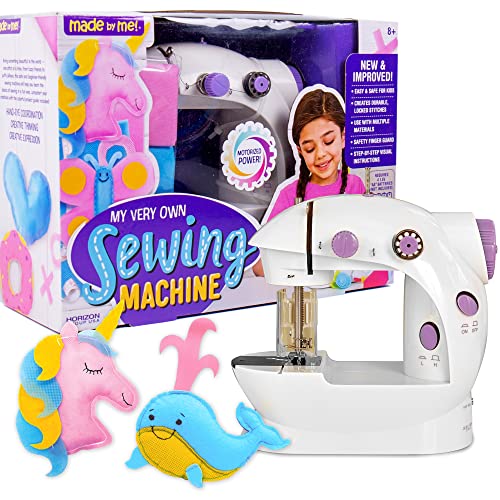
Best for beginners aged around 8+ who want a battery-powered, kid-friendly machine ready to use out of the box. Its two-speed operation and pre-threaded bobbins simplify the first projects, reducing frustration and encouraging persistence.
Why selected The design emphasizes safety and ease: an on/off switch, adjustable stitches and lengths, and a motorized power switch ensure intuitive control. Included finger guards and a safety light help young users sew confidently.
Limitations It is compact and lightweight, which is ideal for beginners, but the small footprint may limit handling larger, heavier fabrics or long-term, more complex projects.
Sewing Machine For Beginners & Kids (JUCVNB)

Best for families introducing sewing with a dual power setup, suitable for on-the-go learning. It accommodates both pedal and button controls, making it flexible for different learners and room settings.
Why selected Built-in guidance on the machine and a QR-linked tutorial video help new sewists build competence quickly. The device supports two power modes—AC adapter or batteries—so projects can move beyond the table easily.
Limitations Avoid using two power sources simultaneously to prevent motor damage, which means plan project locations accordingly.
rxmeili Sewing Machine Portable Mini
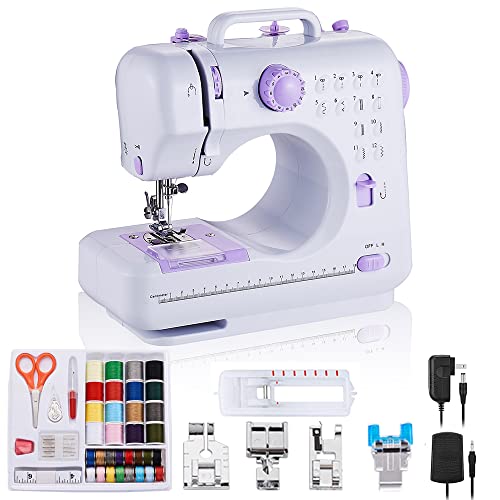
Best for learners who want a compact, portable unit with simple operation for small projects and travel-friendly sewing practice.
Why selected It offers dual power options (AC adapter or batteries) and a straightforward threading guide. Aimed at beginners; the design focuses on easy start-to-finish projects.
Limitations The dataset notes dual-power caveat: never run both power sources simultaneously, which means you must choose the right setup per project.
Sewing Machine Mini With Eco-Friendly Material (Powerhelper)

Best for kids and beginners who value a compact footprint with safety features and beginner-friendly controls.
Why selected The machine emphasizes kid-safe materials and slow/high-speed options for controlled learning. It is a practical entry point for small-space sewing and crafts.
Limitations As a mini device, it may be more suited to decorative projects or light fabric use rather than heavy fabrics or long, durable sewing tasks.
Verdanika Portable Tabletop Mini Sewing Machine
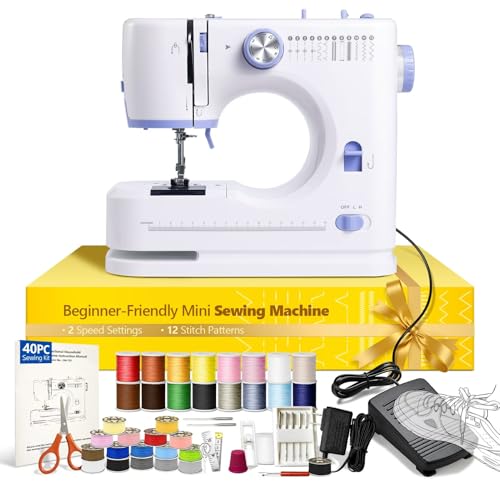
Best for home crafters seeking a balance of features and size for quick repairs and small projects.
Why selected It combines 12 built-in stitches with two-speed control, a stable metal frame, and simple tension adjustment—helping learners achieve consistent results across fabrics.
Limitations The smaller footprint may suit light-to-moderate projects best; heavier fabrics may require a larger machine over time.
Buying Guide: Key Considerations For Young Sewists
- Safety first: Look for finger guards, enclosed bobbins, and low-risk design features appropriate for ages 6–12.
- Power options: Battery-powered, USB-powered, or AC adapters affect where sewing can happen. Dual power setups offer mobility, but avoid using two sources at once.
- Ease of use: Seek models with pre-threaded bobbins, illustrated guides, and simple speed controls to minimize learning friction.
- Project scope: Mini or toy machines suit crafts and decorations; full-featured beginner machines support simple clothing repairs and more complex projects.
- Portability: For kids or classrooms, compact dimensions and lightweight construction help with storage and transport.
- Learning resources: Built-in tutorials, QR codes, or companion videos can accelerate skill development for new sewists.
- Durability and materials: Eco-friendly or kid-safe materials improve longevity and confidence in young users.
- Accessories: Starter kits (threads, needles, bobbins) matter; consider whether a kit complements the machine’s intended uses.
FAQ: Quick Answers For Buyers
What age is appropriate for a beginner sewing machine?
Most beginner machines are suitable for kids aged 7–12 with close supervision and basic manual dexterity.
Are battery-powered machines suitable for learning?
Yes, battery-powered units offer mobility and ease of setup for beginners, but check for safety features and stability.
Can these machines sew fabric types beyond craft projects?
Some mini machines handle lightweight fabrics like cotton and felt; for heavier fabrics, a larger beginner model may be needed.
Do these machines come with instruction videos?
Several options include on-body guides and QR codes linking to tutorial videos to help beginners start sewing quickly.
What should I consider about safety features?
Prioritize finger guards, stable bases, and simple stop/start controls to minimize accidents during learning.
Leave a Reply