Best Small Kilns for Enameling and Jewelry Making
For hobbyists and professional makers alike, a compact kiln can unlock enamel work, metal casting, and glass fusing in a manageable, home-friendly setup. This guide highlights five reputable options suited for enameling and small-scale metalwork, focusing on temperature control, heating speed, and durability. Each entry includes practical details, how it’s best used, and what to consider before you buy. A quick summary table follows to help compare core specs at a glance.
| Product | Brand | Key Use | Approximate Temperature Range |
|---|---|---|---|
| Tabletop QuikMelt 100 oz PRO-120 | Tabletop Furnace Company | Gold melting, enameling, glass fusing | up to 2200°F |
| Kiln Oven Digital Pyrometer | Thermomart | Pottery, ceramic, enamel, metal clay | -58°F to 2372°F |
| Tabletop QuikMelt 10 oz PRO-10 | Tabletop Furnace Company | Jewelry melting, enameling, glass fusing | up to 2200°F |
| Evenheat Kiln Repair Cement | Evenheat Kiln | Kiln maintenance, brick repair | High-temperature applications |
| Note on usage | These small kilns are ideal for enameling, precious metal work, glass fusing, and metal clay. Always follow manufacturer safety guidelines and ensure proper ventilation. | ||
The following sections present five relevant options in detail. Each entry includes a clickable product link, a representative image, and a concise overview of features tailored to enameling and small-scale metalwork. The aim is to provide objective, practical guidance for buyers in the American market.
Tabletop QuikMelt 100 oz PRO-120 Melting Furnace

The PRO-120 is designed for higher-volume work, capable of melting up to 100 troy ounces of gold in 8–10 minutes. It operates efficiently at temperatures up to 2200°F, making it suitable for gold, silver, and other metals, as well as jewelry applications like glass fusing, enameling, and precious metal clay work. The stainless steel construction supports durability under repeated cycles. This model appeals to users who value speed and metal-handling capacity in a compact form factor.
Key points: fast melt times, broad temperature range, and compatibility with enameling and metal clay projects. Consider space for a stable setup and ensure safe handling of molten metals. The unit’s 100 oz capacity is a practical middle ground for small studios and hobbyists who need more than a basic mini kiln but less than a full-size furnace.
Kiln Oven Digital Pyrometer F/C

This digital pyrometer model provides a wide temperature range from -58°F to 2372°F (-50°C to 1300°C). It is designed for use with K-type thermocouples, and offers selectable Celsius or Fahrenheit readings along with decimal or round-number display modes. The device also includes an overload alert if the input exceeds the measurement range. This option is ideal for those who want precise temperature monitoring during enameling, glass fusing, or metal clay work, without integrating a full furnace system.
Considerations include compatibility with existing thermocouples, display format preferences, and the need for continuous temperature control. It’s a flexible choice for hobbyists who already own a kiln or want an accurate ambient or process temperature readout to accompany other firing equipment.
Tabletop QuikMelt 10 oz PRO-10 Melting Furnace

The PRO-10 is a smaller, more accessible option designed to melt up to 10 troy ounces of gold in 8–10 minutes, with a maximum temperature of 2200°F. It supports similar jewelry-focused applications as its larger sibling, including enameling, glass fusing, and precious metal clay work. The compact footprint makes it suitable for home studios, studios with limited space, or beginners who want a reliable, basic melting kiln for small batches.
Important factors include melt capacity, speed, and energy use. While more compact, performance remains strong for enameling projects and small-scale metal casting. For users scaling up later, assess whether the PRO-120 would align with longer-term production goals or if the PRO-10 suffices for current needs.
Evenheat Kiln Repair Cement – 1 Lb
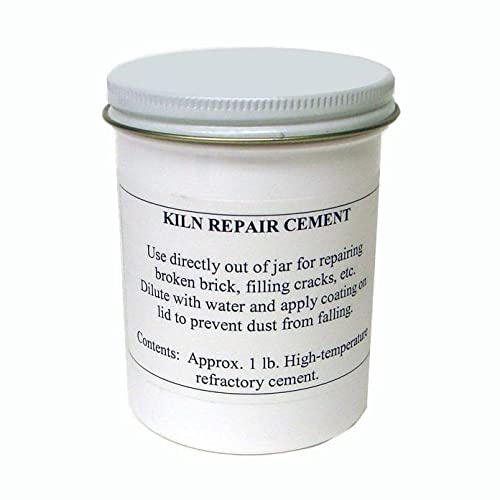
This product is a high-temperature refractory cement designed for brick and kiln repair, compatible with existing kiln materials. It cures quickly in about 24 hours, offering a fast solution for restoration after cracks or structural wear. Evenheat Kiln cement is built to last under heavy usage, making it a practical maintenance pick for hobbyists and professionals who rely on consistent firing cycles.
Practical considerations include surface preparation, curing time, and the ongoing durability of kiln bricks. This option is not a stand-alone heater but a maintenance product that helps extend the life of existing kilns, including those used for enameling and metalworking.
Buying Guide: Key Purchase Considerations
When selecting a small kiln for enameling, jewelry making, or metal clay, buyers should evaluate several factors to match their projects and space. Temperature range, heating speed, and size are primary concerns, but other elements influence long-term satisfaction.
- Temperature range and stability: Enameling and metalwork often require precise, stable temperatures. Choose a kiln with a high peak temperature and reliable control, preferably with a digital readout or a good external pyrometer for accurate tuning.
- Power and speed: For quick metal melting or glass fusing, faster ramp rates help with throughput. Consider kilns designed for 8–10 minutes melt times versus longer cycles, depending on project scale.
- Size and footprint: Ensure your workspace accommodates the kiln’s dimensions and clearance around vents and handling space. A compact unit is ideal for homes and studios with limited room.
- Build quality and materials: Stainless or high-grade metal construction offers durability for frequent use. Refractory bricks and lids should resist high temperatures and thermal cycling.
- Accessories and compatibility: Look for compatible thermocouples, pyrometers, and heat-control accessories. Some units include built-in controls, while others pair with external instruments for enhanced accuracy.
- Maintenance: Consider products like kiln repair cement for long-term upkeep. Regular inspection of bricks and seals helps prevent heat loss and uneven firing.
- Safety: Adequate ventilation, heat-resistant gloves, and secure stands or tabletops reduce risk. Verify the unit has stable mounting and proper electrical requirements for your locale.
- Cost of ownership: Initial price, energy use, and replacement parts influence long-term value. Compare total costs over several years of regular use.
For enameling and small-scale metalwork, the right kiln balances performance with practicality. The options above provide a spectrum from compact, entry-level units to higher-capacity models, plus maintenance supplies to keep equipment in good condition. Always pair your kiln with safe work practices and adequate ventilation to ensure optimal results and safety.
Leave a Reply