Best Soy-Paraffin Wax Blends for Candle Making
Direct answer: For candle makers seeking a soy-paraffin blend, these options combine natural soy with small amounts of paraffin to improve scent load and melt behavior. Best for DIY enthusiasts aiming for clean burns, stronger fragrance, and flexible pouring. The top picks below cover different formats (blocks, beads, slabs) to suit various process preferences and project scales.
Who should consider these blends?
– Beginners: Easy-to-melt formats like beads or melt slabs help learn fragrance load and color control.
– Small-batch makers: Versatile blends that hold scent well and burn evenly.
– Scent-focused crafters: Blends designed to absorb and carry high fragrance loads.
– Pourers seeking bond and jar adhesion: Some blends offer strong adhesion and stable pours at room temperature.
Summary Of Top 5 Soy-Paraffin Wax Blends
| Product | Format | Best For | Key Point |
|---|---|---|---|
| Direct Candle Supply – Coconut Soy Wax Blend (5 lb) | Wax blend | Aromatherapy candles, high-load fragrance | Long, clean burn with coconut-soy-paraffin blend |
| BW Blended Waxes – Soy Paraffin Blend (10 lbs) | Bulk wax pastilles | Beginners to pros making jars and melts | Strong adhesion, easy fragrance loading |
| Direct Candle Supply – 10 lb Coconut Soy Candle Wax | 5–10 lb slabs/blends | High-load fragrance projects, melts and jars | Natural ingredients with paraffin for performance |
| Direct Candle Supply – 5 lb Melt Slab | Melt wax slab | Fragrance melts and tarts | Customizable scents for melts with good melt behavior |
| American Soy Organics – Pro-Flex Soy Blend (5 lbs) | Soy wax beads | Beads-friendly candle making, easy microwaving | Bead form simplifies heating and fragrance integration |
Direct Candle Supply — Coconut Soy Wax Blend for Candle Making

Features: Coconut soy wax blend with small amounts of paraffin; designed for long, clean burns. The blend is suitable for high-load fragrance formulations and is described as odor-free with natural ingredients. Color may vary between off-white and beige due to natural variation. Best for aromatherapy-focused or scented candle projects where a strong fragrance throw is desired.
Best for: Crafters who want a long-burning, fragrance-ready base that tolerates high fragrance loads while maintaining a clean burn. Suitable for anyone seeking a natural, plant-based base with a touch of paraffin to support scent absorption.
Limitations: The presence of paraffin means it is not paraffin-free; color variation may affect uniform visuals in candles when color is added.
BW Blended Waxes, Inc. Soy Paraffin Blend Bulk Wax

Features: A 10 lb bag of soy-paraffin blend pastilles offering a versatile fragrance load range (6%–12%), easy dyeing, and strong jar adhesion. The product emphasizes a balanced melt point and ease of use for both personal and small-scale commercial projects. Best for: Beginners to intermediate makers who want predictable scent loading and straightforward handling for jars or melts.
Limitations: Requires precise temperature control for best results; not ideal if you need a paraffin-free formulation for certain allergen concerns.
American Soy Organics Pro-Flex Soy Blend
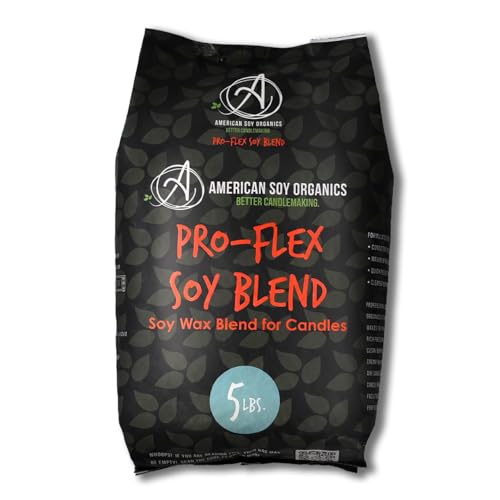
Features: Soy wax beads designed to melt well in microwaves, made in the USA, and simple step-by-step candle making guidance. The blend is described as beeswax-free, paraffin-free, and suitable for a range of container candles, tealights, and wax melts. Best for: Beginners and hobbyists looking for a microwave-friendly option with clean-burning expectations and straightforward handling.
Limitations: Being bead-based, melting may require careful timing to prevent scorching if used in microwaves or small melters; fragrance load guidance should be followed to avoid under/over-scenting.
Direct Candle Supply — 5 lb Melt Slab for Candles and Melts

Features: A versatile 5 lb melt slab designed for candles, wax melts, and tarts. The blend uses paraffin and soy components to provide a clean burn and reliable melt behavior. Best for: Makers who want a flexible base for both jar candles and wax melts with easy fragrance customization.
Caution: The slab format may require careful handling to avoid moisture exposure that can affect texture or melt pool formation.
Direct Candle Supply — 10 lb Coconut Soy Candle Wax

Features: Coconut-soy-wax blend with small amounts of paraffin to support a long, clean burn and strong fragrance absorption. Color may vary between off-white and beige. The product is marketed for high-load fragrance formulations and ensures an odor-free base with plant-based additives. Best for: Projects requiring robust fragrance lift while maintaining a smooth burn and natural ingredient profile.
Limitations: Includes paraffin, so not suitable for strictly paraffin-free formulations; color variability may influence final candle appearance if colorants are used.
Hearth & Harbor Organic Soy Candle Wax
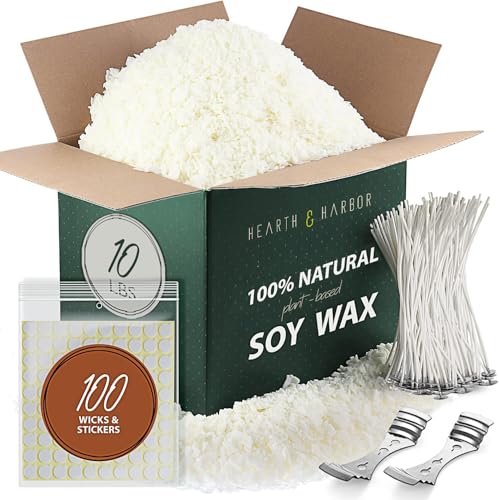
Features: All-in-one starter kit with 10 lb of soy candle wax plus wicks and accessories. Described as paraffin-free and beeswax-free, suited for natural candle making. Best for: Beginners who want a complete kit to start without sourcing additional components separately. Limitation: The all-in-one kit may limit flexibility if more advanced equipment or extra fragrance options are needed.
Buying Guide: Soy-Paraffin Wax Blends For Candle Making
- What is a soy-paraffin blend? A blend combines natural soy wax with small percentages of paraffin to improve fragrance absorption, melt behavior, and jar adhesion. This can yield stronger scent throw while maintaining a clean burn.
- Fragrance load considerations: Look for blends that advertise fragrance loads in the 6–12% range for jars and melts. Higher loads often deliver stronger scent but require careful heat control to prevent frosting or overheating.
- Burn characteristics: Coconut- and soy-based blends often burn cleanly with less soot when properly poured. Paraffin can improve gloss and melt stability but may alter the natural burn profile.
- Form factor: Blocks/slabs, beads, and melts each have different melting requirements. Beads are microwave-friendly, slabs melt evenly, and blocks can be easier for beginners to handle in pour projects.
- Allergen and content preferences: If a paraffin-free option is required, choose soy-only blends. If you prefer a plant-based base with added performance, a soy-paraffin blend may be suitable.
- Color and aroma performance: Some blends vary in color due to natural ingredients. If color consistency is important, test small batches before mass production.
- Ease of use: For first-time candle makers, ready-to-melt forms (beads) or melts simplify the process and reduce equipment needs.
- Safety and handling: Follow manufacturer guidelines for melting temperatures, fragrance addition, and curing times to ensure proper stability and safety.
Frequently Asked Questions
- What distinguishes soy-paraffin blends from pure soy wax? They add paraffin to enhance scent loading and melt behavior while retaining some plant-based properties from soy.
- Are soy-paraffin blends better for beginners or experienced makers? Both. Beginners benefit from easier pour formats, while experienced makers may prefer higher fragrance loads and specific melt characteristics.
- Can I use these blends for candles with a strong fragrance? Yes, blends advertised for high-load fragrance are designed to absorb and retain heavier scents.
- Do these blends require special equipment? Not necessarily. Bead formats can be microwaved; slabs and blocks work well with standard double boiler setups and thermometer control.
- Are there paraffin-free options in this category? Yes, some products are paraffin-free, but they may not be blends; check product notes for exact composition.
- What should I test first when switching blends? Test fragrance load, color, burn rate, and jar adhesion in small batches to calibrate your process.
Leave a Reply