Best Glue Options for Metal Miniatures and Small Repairs
When painting and assembling metal miniatures, a reliable adhesive is essential. This guide highlights five top metal-friendly super glues that deliver quick bonds, strong durability, and precision handling. Ideal buyers include hobbyists building hobby-scale figures, table-top gamers needing quick fixes, and model-makers seeking long-lasting joints. The following selections are chosen for metal compatibility, precision, drying speed, and user-friendly packaging. Use the buying guide and FAQ to compare traits like cure time, viscosity, and clog-resistance to pick the best option for your project.
| Product | Best For | Main Benefit |
|---|---|---|
| Liquid Super Glue for Metal, 30g | Serious metal repairs | High tensile strength and advanced clog-prevention design |
| Loctite Super Glue Ultra Gel Control | Vertical surfaces & detailed builds | Rubber toughened formula with no-drip control |
| Gorilla Micro Precise Gel | Fine-detail minis | Precise dispensing with thick gel for control |
| LOOCTOT 30g Metal Glue | Small metal parts and quick fixes | Fast-drying, anti-clog cap |
| Precision Super Glue Kit | Detail work & multiple parts | 10 metal tips + extension tubes for precise placement |
Liquid Super Glue for Metal 30g — Fast, Strong Bond

Best for: Pro-level metal repairs where high tensile strength is essential. This 30g bottle provides a robust bond and is engineered for stainless steel and aluminum projects. Its fast-setting formula reduces downtime between placement and handling, making it suitable for time-sensitive builds.
Why selected: The product emphasizes a high-strength bond and a fast-drying profile, which suits metal miniatures that require quick but secure joints. It also includes an airtight cap and precision tip, promoting reduced clogging and waste.
Limitation: A larger bottle can be overkill for tiny miniatures; use sparingly on small joints to avoid excess adhesive squeezing out.
Loctite Super Glue Ultra Gel Control
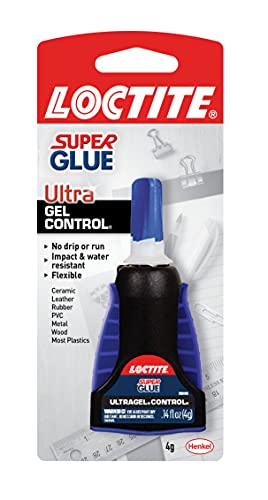
Best for: Projects requiring vertical applications or intricate, precise bonding. The rubber-toughened formula resists impact and vibration, helping joints stay intact during handling and transport.
Why selected: The no-drip design minimizes mess on fine models, while patented side-squeeze bottles offer precise control, making it ideal for tiny metal parts and delicate details.
Caution: Avoid applying excessive amounts on very small joints; the gel is thick and can obscure tiny seams if overused.
Gorilla Micro Precise Gel — 5.5g (Pack of 2)

Best for: Finely detailed metal miniatures and small components where precise placement matters. The thicker gel reduces runs, enabling controlled applications on small joints.
Why selected: The precise dispensing tool helps place adhesive exactly where needed, and the gel formulation provides stronger resistance to impact compared with liquid glues on small parts.
Limitation: Not ideal for large metal pieces; use on micro-joins and tiny connections to maximize control.
LOOCTOT 30g Metal Glue

Best for: Quick metal repairs and small piece bonding where rapid tack is needed. The anti-clog cap helps maintain usability over multiple sessions.
Why selected: This glue dries quickly (10–30 seconds working time on small parts) and provides a clear, waterproof bond after full cure. It’s well-suited for metal-to-metal joints on miniatures and small assemblies.
Limitation: Fast-setting strength may require fast, precise placement; repositioning after initial contact is difficult.
Precision Super Glue Kit — 30g with 10 Tips
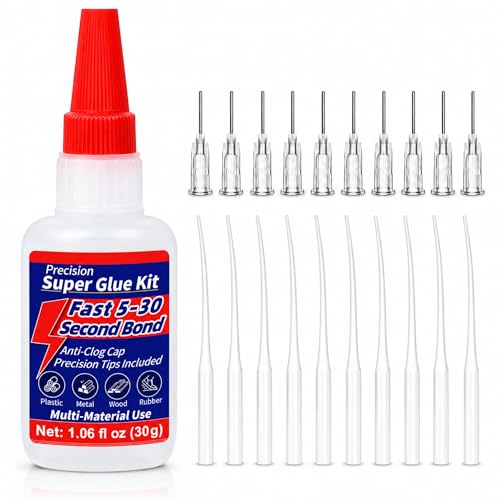
Best for: Detailed modeling projects requiring controlled adhesive placement across multiple joints. The kit includes multiple metal tips and extension tubes for narrow spaces and fine work.
Why selected: The kit design supports precision repairs on metal miniatures, with a thin, low-viscosity formula that flows into small gaps. It also offers a versatile setup for hobbyists working with multiple parts.
Limitation: Thin adhesive requires careful handling to avoid splashing or over-saturation in very tight joints.
Buying Guide
What should I consider when choosing metal glue for miniatures?
Bond strength, cure time, viscosity, and packaging all matter. For metal miniatures, you want a formula that dries quickly, forms a strong bond, and dries clear to avoid visible seams. Precision applicators and anti-clog caps help with small parts and intricate joints.
Should I use gel or liquid for metal miniatures?
Gel formulas reduce running and are better for vertical surfaces or small parts, while liquids often cure faster and penetrate tiny seams more easily. A precision kit with multiple tips can cover both needs.
How important is clog-resistance?
High clog resistance reduces waste and ensures the glue remains ready for use over time. Airtight caps and smart bottle designs greatly help with long-term hobby projects.
Is waterproofing important for miniatures?
Water resistance matters if you plan to handle or store painted miniatures in humid environments. Many metal glues harden into waterproof joints after curing, providing durability for display or play.
What about application tips for tiny parts?
Use thin, precise applicators or metal tips to control flow. Apply sparingly and press parts together quickly; hold until the bond forms, then allow full cure as recommended by the product.
Care and storage considerations
Store in a cool, dry place away from direct sunlight. Close caps tightly after use to maintain shelf life and prevent clogging in valve or tip openings.
FAQ
- What glue is best for metal miniatures? A precision, fast-drying cyanoacrylate adhesive with good gap-filling capability is typically best for metal miniatures.
- Can I use plastic glue on metal models? Plastic glues can bond metal only if the metal has plastic-like surfaces; for bare metal, use metal-specific cyanoacrylate or solvent-based glues.
- Do I need a special cap to prevent clogging? Yes. Anti-clog caps and airtight seals help keep the glue usable across multiple sessions.
- Is a gel formula better for vertical surfaces? Gel formulas reduce dripping on vertical joints and provide more control on intricate work.
- How long does it take for a bond to cure? Cure times vary; many products reach handling strength within seconds to minutes and full cure over hours, depending on materials and conditions.
- Can I reposition parts after applying glue? Repositioning is easier with gels or liquids designed for quick set; some ultra-fast formulas limit repositioning after contact.
Leave a Reply