Best Transfer Pens for Embroidery: A Practical Guide
Choosing the right embroidery transfer pen can make the difference between precise patterns and blurred lines. This guide highlights five reliable options, examines their key features, and helps you pick the right pen for your fabric type and project needs. Each product is evaluated for visibility, ease of use, and how easily marks can be removed or heat-set for durability.
Product snapshot:
- DMC Embroidery Transfer Pen, Blue — Easy design transfer on light fabrics; water-soluble ink for clean finishes.
- Sulky Iron-On Transfer Pen, Black — Permanent transfer with smooth ink flow for durable marks.
- Lange & König Heat Erasable Fabric Marking Pens — Heat-erase convenience with long-lasting refills.
- ibotti Iron On Transfer Pens — Color-indicated caps and 1.0 mm tips for fine lines.
- Ciwanning Iron On Transfer Pens — Heat-transfer capability with versatile usage for various fabrics.
DMC Embroidery Transfer Pen, Blue
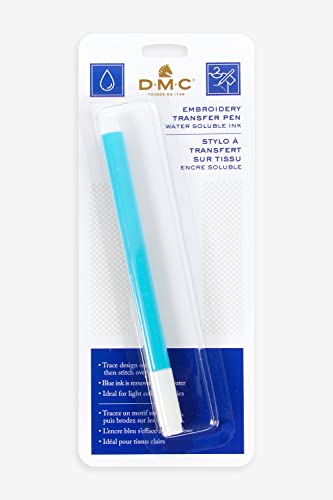
The DMC Embroidery Transfer Pen uses a water-soluble blue ink designed for easy tracing on light fabrics such as cotton, linen, and canvas. It provides precise transfer of embroidery patterns, helping to achieve clear, detailed results. After completing the project, the ink is easily removed with water, leaving minimal risk of residual stains. This makes it a practical option for sewists who work with delicate or light-colored textiles and want clean lines without permanent markings.
Key advantages include visibility on light fabrics and straightforward cleanup, which reduces the risk of committed marks before final stitching. It’s especially suitable for designers who need to sketch or trace multiple motifs before machine or hand embroidery. For best results, test on scrap fabric to gauge how quickly the ink dissolves with water and whether any bleed occurs on the chosen textile.
Sulky Iron-On Transfer Pen, Black

The Sulky Iron-On Transfer Pen provides a permanent transfer option with a non-bleeding ink flow that glides like a marker. This makes it a reliable choice for projects requiring durable lines that won’t fade through washing or friction. The pen typically comes in a package containing one permanent transfer pen, which can be advantageous for crafters who prefer a ready-to-use solution with consistent results across various fabrics.
Considerations include the need for heat setting to lock in the marks and the absence of removable ink. While the permanence is beneficial for long-lasting designs, it may not be ideal for projects that require easy rework. It’s best used when you’re confident about your placement and want marks that withstand frequent handling or washing, especially on heavier fabrics where abrasion could otherwise erase lighter lines.
Lange & König Heat Erasable Fabric Marking Pens

These heat erasable pens are designed as a versatile replacement for dusty tailor chalk. They glide smoothly across any fabric, making them suitable for quilting, garment construction, and embroidery planning. Each pen comes with two refills, offering a substantial coverage that supports ongoing projects. The standout feature is the ability to erase marks with heat from an iron, which can save time and reduce scrubbing or washing cycles to remove residue.
The 3000-foot guarantee implied by the included refills underscores a long lifespan per cartridge, which is valuable for frequent sewists. The heat-erase feature is most effective when you use a controlled heat source and understand the fabric’s response to heat. This method supports efficient workflow, especially for multi-step patterns that require precise line guidance before stitching and final removal of marks.
ibotti Iron On Transfer Pens, Embroidery Transfer Pen, 6 Pack

ibotti offers a six-pack of embroidery transfer pens with color-indicated caps, making it easy to coordinate ink with fabric tones. The 1.0 mm tip produces slim lines that are suitable for embroidery tracing and detailing. The pens support permanent transfers of patterns or drawings onto fabrics via tracing and iron setting, offering a reliable workflow for projects that require precise guidelines before stitching.
Potential considerations include ensuring the cap color matches your fabric for visibility and planning, as well as confirming iron temperatures align with your fabric’s care instructions. This set is well-suited for color-sensitive projects where different motifs or color sections require distinct guides during embroidery assembly.
Ciwanning Iron On Transfer Pens Embroidery

Ciwanning’s embroidery transfer pens are designed for heat transfer onto fabrics, including a range of textiles suitable for embroidery and sublimation uses. The product emphasizes reliable heat-transfer capability and the pens’ utility across various fabrics. It’s positioned as a practical gift option for crafters and sewists looking to simplify pattern transfer during projects like embroidery and garment decoration. The descriptions suggest broad compatibility with different fabrics and festive occasions.
As with heat-transfer methods, the effectiveness depends on ironing technique and fabric type. Consider testing on sample swatches to calibrate the timing and temperature needed to reveal the marks without scorching the fabric. This option can be particularly appealing for those who frequently move patterns between fabrics or who enjoy heat-activated tools in their embroidery toolkit.
Buying Guide: Key Considerations For Choosing Embroidery Transfer Pens
- Ink visibility on your fabric: Light-colored fabrics benefit from blue or black inks for contrast, while dark fabrics may require pens with lighter or contrasting ink options.
- Ease of removal or permanence: Water-soluble inks are ideal for reversible designs, while heat-erasable or permanent inks suit projects with longer usage or washing expectations.
- Tip size and line quality: A 1.0 mm or finer tip yields delicate lines suitable for detailed embroidery planning, while broader tips may be better for quick marks on larger projects.
- Fabric compatibility: Some pens work best on cotton or linen, while others are designed for synthetic blends or specialty fabrics. Test on a small area before full use.
- Heat-activation requirements: Pens that require ironing to set marks should be used with caution on delicate fabrics; confirm fabric care instructions to avoid damage.
- Refills and longevity: Pens that include refills or come with multiple color options can be more economical for frequent users.
- Drying and wash considerations: Consider how quickly marks dry and whether they resist smudging during handling and stitching.
- Brand reliability and support: Reputable brands tend to offer better compatibility with their own ink types and more consistent results across batches.
Leave a Reply