Best Rotating Cutting Mats for Quilting and Crafting Projects
For quilters and fabric crafters, a turntable cutting board (rotating cutting mat) can dramatically improve precision and reduce wrist strain. The following selections combine smooth rotation, self-healing surfaces, and durable bases designed to handle rotary cutters and precision rulers. This guide spotlights five top rotating cutting mats, each tailored to quilting and craft workflows in American studios and dining-room tables alike. Explore sizes from 12″ to 18″ and compare features to find the mat that best fits your project scale and comfort needs.
| Product | Size / Grid | Key Benefit |
|---|---|---|
| Calibre Art Rotating Self Healing Cutting Mat 14×14 | 14×14 with 13″ grid | Smooth rotation with a self-healing surface |
| Calibre Art Self Healing Rotating Cutting Mat 18×18 | 18×18 with 17″ grid | Larger work area for bigger quilts |
| The Quilted Bear Rotating Cutting Mat 12×12 (Pink) | 12×12 | 360° rotation with locking option |
| Sue Daley Designs Pink 16 Inch Rotating Cutting Mat | 16″ (round) | Wide surface with full rotation for paper piecing |
| Fiskars Rotating Cutting Mat 14″ x 14″ | 14×14 | Clear grids and durable self-healing surface |
Calibre Art Rotating Self Healing Cutting Mat 14×14
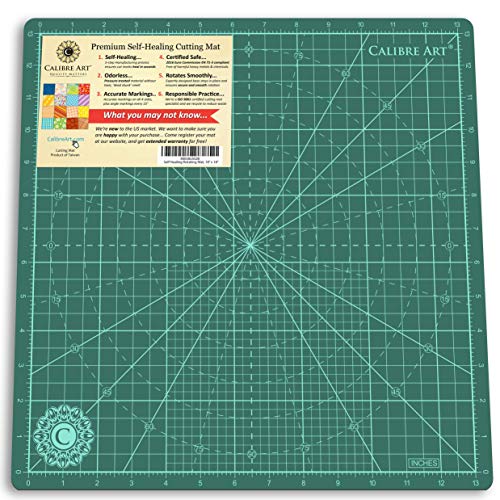
The 14×14 Calibre Art mat combines a smooth rotation mechanism with a non-detachable base, so the cutting surface spins freely while remaining stable on the worktable. Its self-healing surface reseals minor cuts, preserving a consistent cutting plane. The mat uses EN 71-3 compliant compounds for surface safety, which helps maintain a clean, low-odor workspace during long quilting sessions.
Calibre Art Self Healing Rotating Cutting Mat 18×18

With an 18×18 surface and a 17″ grid, this larger mat supports bigger quilts and blocks. The smooth rotation is designed to minimize wrist strain while providing stable support at all edges. Like the 14×14 model, it features self-healing properties to extend the mat’s life and uses EN 71-3 compliant material to regulate surface quality and safety.
The Quilted Bear Rotating Cutting Mat 12×12 (Pink)

This 12″ pink mat emphasizes effortless 360° rotation to reach every angle while quilting, sewing, or crafting. A reliable locking mechanism switches between rotating and fixed modes for stable cuts. Self-healing technology keeps the surface smooth over time, ideal for rotary cutters, quilting rulers, and small-to-medium cutting tasks.
Sue Daley Designs Pink 16 Inch Rotating Cutting Mat

The 16″ round mat from Sue Daley Designs is praised for its 360° smooth rotation, aiding English paper piecing and block trimming. Its self-healing surface maintains a long-lasting cutting plane, while the wider jewelry-like pink surface accommodates larger projects. This mat suits quilters who frequently switch between detailed piecing and larger fabric sweeps.
Headley Tools 12×12 Rotating Cutting Mat

This 12×12 mat from Headley Tools emphasizes a 360° rotating cutting surface with an anti-slip base for stability. The self-healing PVC surface resists marks while preserving smoothness over repeated cuts. The anti-slip feature helps pledge confidence when cutting small shapes or binding strips for quilting projects.
Fiskars Rotating Cutting Mat 14″ x 14″
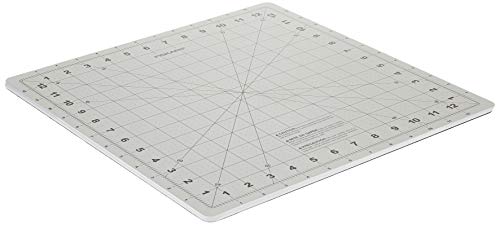
Fiskars pairs a 14×14 grid with a rotating surface that simplifies angle cutting, bias lines, and stripe alignment. The mat’s self-healing surface withstands frequent use with rotary cutters, while the clear grids and measurement marks support precise fabric cutting. It is positioned as a reliable, long-lasting option for quilting and sewing stations.
Buying Guide: Choosing The Right Rotating Cutting Mat For Quilting
Rotation mechanism, surface longevity, and stability are the core priorities when selecting a rotating cutting mat for quilting. Consider the size you most often work with: smaller 12″ mats excel for patchwork and English paper piecing, while 16″ or 18″ mats accommodate larger quilts and more expansive blocks.
Self-healing properties extend tool life and keep cutting surfaces smooth; verify that the mat’s surface material reseals minor cuts and that the material meets safety standards like EN 71-3 where applicable. A non-slip or anti-slip base reduces shifting during carving, which is crucial for precise angles and safe use with rotary cutters.
Rotation quality matters: look for a mechanism designed for 360° access without wobble or detachment. Some models offer a locking mode to switch between rotating and fixed states—helpful when finished with a cut and needing stability for measurement or seam allowances.
Grid visibility and measurement marks influence workflow. High-contrast grids, degrees, and line markings support accurate cuts, bevels, and angled piecing. If you frequently work with English paper piecing or appliqué, a larger surface and readable markings can improve efficiency and accuracy.
Durability and edge resilience are also worth evaluating. Mats should resist warping, bending, or tearing under long sessions with multiple fabric layers. Cleaning compatibility matters as well; most self-healing mats tolerate light cleaning but avoid harsh solvents that can degrade the surface.
Finally, assess your workspace: consider storage footprint, portability, and whether you prefer bright colorways or standard neutrals. The right mat should feel comfortable under your hands, reduce fatigue, and integrate smoothly with your rotary cutter and rulers for a steady quilting rhythm.
Leave a Reply