Best Tussah Silk for Soap Making: Enhancing Soaps With Natural Silk Fibers
Discover how tussah silk fibers can elevate cold process soaps and DIY skincare. This guide highlights five top tussah silk products ideal for soap makers, detailing how each fiber contributes lather, slip, and lasting hardness. Learn how to incorporate small amounts for luxurious bars without compromising safety or sustainability.
The following quick reference table outlines the chosen products, helping you compare at a glance before diving into detailed sections.
| Product | Brand | Type | Notable Benefit |
|---|---|---|---|
| Shepherd Textiles Tussah Silk Roving | Shepherd Textiles | 2 oz. roving | Luxurious silken feel in soap, >100 loaves per package |
| Cruelty Free Tussah Silk For Soap Making | Shepherd Textiles | 2 oz. combed top/sliver | Cruelty-free, wild-gathered from empty cocoons |
| Premium Grade Extra Bleached White Comb Top | Living Dreams Yarn | 2 oz. combed top roving | Bright white, easy hand-dyeing, high dye uptake |
| Premium Grade Natural White Combed Top | Living Dreams Yarn | 2 oz. combed top roving | Natural undyed white, excellent dye compatibility |
| Premium Grade Natural Golden Combed Top | Living Dreams Yarn | 2 oz. combed top roving | Golden hue with rich over-dye potential |
Shepherd Textiles Tussah Silk Roving (2 oz.)

Product overview: A pure tussah silk roving weighing two ounces provides a luxurious silk slip in handmade soaps. The fiber is described as natural white and suitable for a broad range of textile and craft applications, including felting and soap making. Users typically blend a very small quantity into lye water or soap batter to achieve a silky feel and improved bar hardness. One package is sufficient for more than 100 loaves when used conservatively, making it a cost-efficient option for hobbyists and small studios alike.
Key features: Two ounces of pure tussah silk, adds a silken feel to cold process soap, recommended use is a 1/2 gram pinch per five-pound loaf. The packaging indicates suitability for multiple loaves, offering an economical option for regular soap makers. The natural white color can be hand-dyed to achieve a wide range of tones, enabling customization of soap bars.
Cruelty Free Tussah Silk for Soap Making

Product overview: This tussah silk is wild gathered from empty cocoons, offering a cruelty-free option for soap makers who prioritize ethical sourcing. The silk is combed top/sliver form and is described as 100% natural with no bleaches, dyes, or antibiotics typically associated with conventional tussah silk production. The product emphasizes an environmentally conscious approach to fiber selection in DIY cosmetics.
Key features: Cruelty-free and wild-gathered, no moths or larvae harmed, 100% natural with no bleaches or dyes, suitable for adding silk slip and sheen to soaps. The natural color allows for direct use or easy dyeing to create custom palettes for handmade bars.
Tussah Silk Fiber for Soap Making, Premium Grade Extra Bleached White

Product overview: This extra bleached white tussah silk is designed for easy dyeing and consistent results in cold process soaps. The packaging notes a 2-ounce quantity and an average staple length around 5 inches, which makes handling straightforward for soap makers. The silk dissolves readily in lye water, contributing to a luxurious bar that is both harder and longer-lasting. It is marketed as compatible with DIY moisturizers and other crafts.
Key features: Premium grade, extra bleached white combed top roving, ready for hand-dyeing, easy dye uptake for bright tones. The silk’s behavior in lye water supports stable bar formation and improved lather. This option is positioned for makers who want a pristine white base that can be transformed with color.
Premium Grade Natural White Combed Top
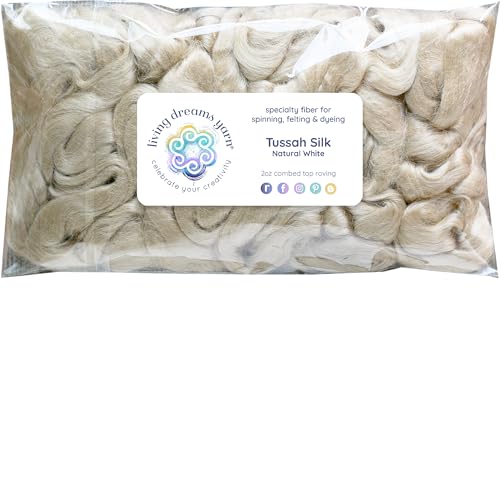
Product overview: This natural white tussah silk offers a ready-for-use combed top roving ideal for those who favor undyed fibers. The 2-ounce quantity is suitable for small-batch soap projects and craft blends. It is particularly valued for its clean natural color, which takes dye well for vibrant, customized soaps. The fiber’s staple length is around 5 inches, making blending with other fibers straightforward.
Key features: Natural white, combed top roving, 2 ounces, ready for hand-dyeing, excellent dye uptake to yield bright tones. The undyed base provides a versatile starting point for a wide color range and creative soap designs.
Premium Grade Natural Golden Combed Top

Product overview: Natural golden tussah silk delivers a warm, amber hue that can enhance the aesthetics of plain soaps without dyeing. The 2-ounce roving provides enough fiber to create multiple batches, with a staple length around 5 inches. The silk is suitable for dyeing over later if desired, enabling jewel-toned results when overdyed.
Key features: Natural golden color, combed top roving, 2 ounces, dye-friendly, yields rich tones when overdyed. This option is ideal for makers seeking a nuanced color base that remains striking even without additives.
Buying Guide
When selecting tussah silk for soap making, consider these factors to maximize quality and performance in your formulations:
- Fiber form and handling: Roving, combed top, or sliver affect how you blend silk into your melt-and-pour bases or cold-process lye mixtures. Combed top roving is easy to measure and mix, while roving can be gentler for felt projects.
- Color and dye compatibility: Natural white or undyed fibers accept dyes well, producing bright, uniform tones. Golden variants offer natural warmth that can influence the final appearance of your soap.
- Purity and sourcing: Cruelty-free and wild-gathered options align with ethical preferences. For sensitive formulations, verify that the silk is free from bleaches, dyes, or antibiotics.
- Impact on soap properties: Silk can enhance lather, slip, and bar hardness. Use tiny amounts (often a fraction of a gram per loaf) to avoid affecting curing or texture, especially in larger batches.
- Storage and shelf life: Keep unopened fibers in a cool, dry place. Once opened, seal to prevent moisture absorption that could affect fiber integrity or lead to clumping.
- Compatibility with other ingredients: Silk blends well with natural oils, botanicals, and glycerin bases. When using with lye, ensure fibers are fully incorporated to prevent interference with soap chemistry.
- Project scale: For small test batches, start with 0.5 gram per five-pound loaf and adjust based on desired silk feel and lather. Larger projects may require proportionally scaled quantities.
- Sustainability and ethics: If your brand emphasizes cruelty-free or eco-conscious sourcing, select products clearly labeled as such and confirm the production practices match your standards.
Across the options reviewed, tussah silk offers a consistent path to premium soap experiences—imparting a silky texture, improved lather, and a longer-lasting bar. By choosing a form (roving, combed top, or sliver) that suits your workflow and by selecting colors that align with your color goals, you can tailor your soaps without sacrificing performance or safety. Always perform a small test batch to calibrate the exact amount of silk that yields your preferred balance of slip and hardness.
Leave a Reply