Best Water Based Dye for Wood: Top Picks for Vibrant, Eco-Friendly Finishes
Water-based wood dyes offer vibrant color with minimal odor and faster drying times, making them a popular choice for DIYers and professionals. This guide highlights five top options that provide deep, natural-looking wood tones while remaining environmentally friendly. Each product is ideal for indoor and outdoor projects, from furniture to cabinetry. Explore color options, performance notes, and practical considerations to choose the right dye for your next project.
Summary of chosen products:
| Product | Brand | Key Benefit |
|---|---|---|
| Wood Dye Kit, 5 Color | Keda Dye | Eco-friendly, high pigment, makes multiple quarts |
| Water Based Dye, 1 Quart, Medium Brown | General Finishes | Ultra penetrating, rich tonality |
| Water Based Dye, 1 Quart, Light Brown | General Finishes | Warm, natural wood enhancement |
| Wood Stain Water Based, 8.5oz, Medium Oak | Littlefair’s | Non-toxic, fast-drying, eco-friendly |
| Wood Stain Water Based, 8.5oz, Black Ebony | Littlefair’s | Deep, dramatic contrast with grain clarity |
Wood Dye Kit — Aniline Dye 5 Color Kit
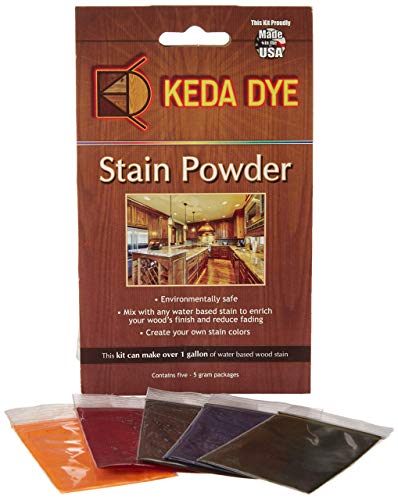
Keda Dyes offers a five-color dye kit designed to make multiple quarts of liquid dye stain. The kit is eco-friendly and delivers vibrant color payoff, suitable for artisans seeking bold, consistent hues. The colors are powerful, enabling deep tones when applied to bare wood or prepared surfaces.
General Finishes Water Based Dye — Medium Brown

General Finishes’ water-based dye is ultra-penetrating and designed to work like traditional solvent-based stains. The medium brown shade enhances grain detail with deep, natural tones, offering substantial color depth while maintaining environmental considerations.
General Finishes Water Based Dye — Light Brown

The light brown option provides a warm, natural base that highlights wood grain. As with other General Finishes dyes, the formula aims for deep integration with the wood, producing long-lasting, even color without heavy odor.
Littlefair’s Wood Stain Water Based — Medium Oak
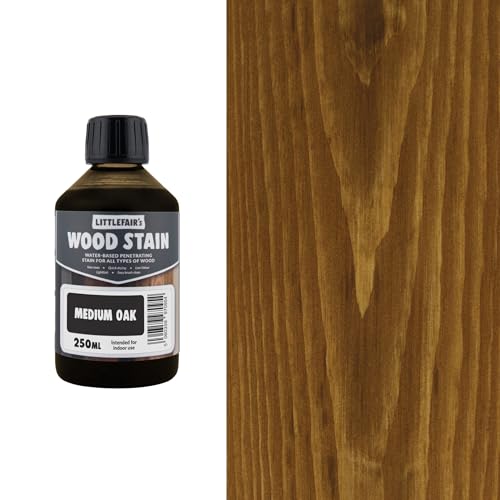
Littlefair’s medium oak stain is water-based, non-toxic, and eco-friendly. It emphasizes bare wood, allowing the grain to show through with depth. The formula dries quickly and minimizes odor, supporting efficient project timelines.
Littlefair’s Wood Stain Water Based — Black Ebony

The black ebony variant delivers a deep, dramatic color while preserving wood grain visibility. It maintains a non-toxic, eco-friendly profile and a quick-dry experience for efficient workflow.
General Finishes Water Based Dye — Amber
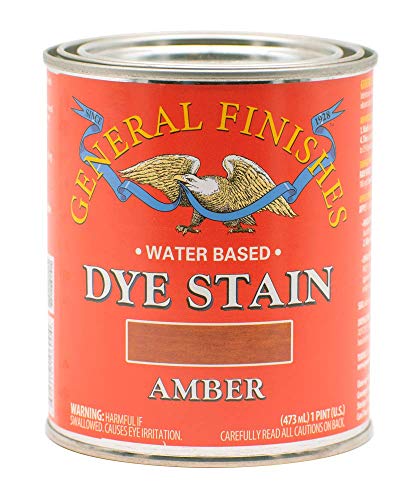
Amber provides a versatile, warm tone that complements both modern and traditional woods. The ultra-penetrating design helps achieve a uniform finish across varied species, with a smooth, solvent-like appearance without the odor of solvents.
Buying Guide
Key purchase considerations:
- Wood species and grain: Some dyes emphasize grain differently; test on a scrap piece to preview results.
- Drying time and odor: Water-based dyes dry quickly and emit minimal odor, ideal for indoor work.
- Color intensity and mixing: Powders and liquids may require mixing or layering to reach the desired depth.
- Finish compatibility: Ensure the dye is compatible with your topcoat (water-based polyurethane, varnish, or lacquer).
- Environmental and safety factors: Look for non-toxic, low-VOC formulations for safer use.
- Application method: Consider whether your project benefits from brushing, wiping, or spraying.
- Clean-up and maintenance: Water-based dyes typically clean up easily with water and mild soap.
- Price and yield: Compare pigment concentration and expected yield per quart or kit to estimate cost per project.
- Durability and UV stability: For outdoor or sun-exposed pieces, select dyes with proven colorfastness or plan for protective topcoats.
Compared to solvent-based dyes, water-based options generally offer lower odor, easier cleanup, and safer handling, with modern formulations delivering comparable depth and grain enhancement. When choosing, consider the project scale, desired color tone, wood species, and the finishing system you plan to apply afterward. Testing on scrap wood or a hidden area helps prevent surprises in visible sections.
Leave a Reply