Best Wood Dyes for Guitars: Vibrant, Durable Finishes
Choosing the right wood dye is key to achieving guitar finishes that pop with color while preserving grain detail. The products below emphasize instrument-ready formulas, fast drying times, and tones that complement guitar woods. This guide compares five top options, each with distinct color ranges and formulation styles to help luthiers, hobbyists, and guitar enthusiasts select the best dye for projects from body tops to necks and backs.
Product Overview
| Product | Brand | Color/Finish | Notes |
|---|---|---|---|
| Wood Dye Kit 5 Colors | Keda Dye | Five exotic colors | Eco-friendly, high power; yields up to 5 quarts |
| ColorTone Vintage Amber | ColorTone | Amber tone for strings | Formulated for luthiers; grain comes alive |
| TransTint Mahogany Dyes | TransTint | Mahogany tones | Water-based option; mix with alcohol for fast-drying |
| Ninesung Purple Wood Dye Powder | Ninesung | Purple pigment powder | Fast drying; indoor/outdoor use; concentrate |
| LIIZOUSUDA Wood Dye Powder Kit | LIIZOUSUDA | Five color kit | Fast-drying, low odor; water-based |
Keda Wood Dye Kit — 5 Color Palette
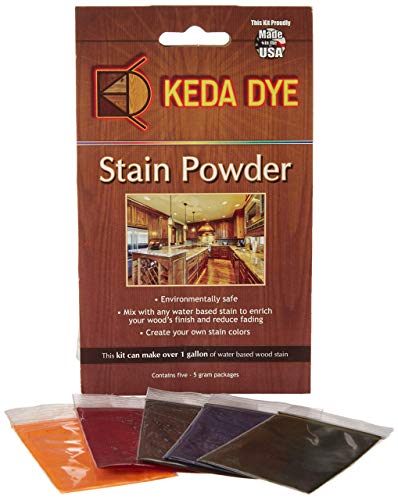
The Wood Dye Kit by Keda Dyes provides a five-color liquid dye system designed for wood projects, including musical instrument work. The kit specifies that it can yield up to five quarts of liquid dye stain and emphasizes eco-friendly formulation with vibrant color potential. As a versatile option for guitar bodies or neck veneers, the kit is positioned for crafters seeking bold color choices with manageable preparation requirements.
ColorTone Vintage Amber For Strings
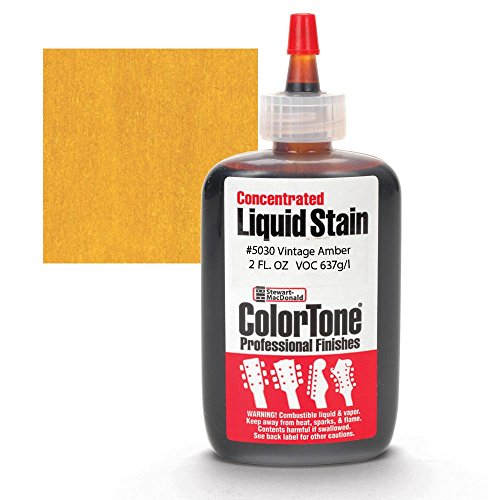
ColorTone’s Vintage Amber is formulated specifically for stringed instruments, offering authentic color that helps wood grain come alive without overpowering the natural figure. This dye is designed with luthiers in mind, aiming to deliver precise tone and depth for guitar bodies, tops, and backs that require a warm, vintage look. The product emphasizes instrument-focused performance over generic furniture dyes.
TransTint Mahogany Dyes — Concentrated

TransTint Mahogany Dyes offer a concentrated, mixable option for deep, rich mahogany tones. These dyes can be diluted with water for economical stains or combined with alcohol for faster drying and grain-tight results. They are not recommended for exterior use, but they deliver strong color depth suitable for guitar bodies and neck laminates where mahogany hues are desirable.
Ninesung Purple Wood Dye Powder

NINESUNG offers a purple wood dye powder that is fast-drying and highly concentrated, suitable for indoor and outdoor wood surfaces. For guitar projects, this dye can provide vivid accent colors or unique finishes on select components such as decorative panels or veneered tops. The powder form requires mixing with water to activate color, with thorough stirring and application guidance to achieve even penetration.
LIIZOUSUDA Five-Color Dye Kit

LIIZOUSUDA’s Five-Color Wood Dye Powder Kit emphasizes fast-drying, low-odor, water-based stains. The kit markets itself as suitable for a wide range of indoor and outdoor woodworking tasks, including guitars. It describes a straightforward mixing process and a focus on vibrant, high-quality color without reducing the natural wood texture. This option is particularly appealing for hobbyists seeking a user-friendly, multi-color kit for quick prototyping.
Spirit Stain Rainbow Orange
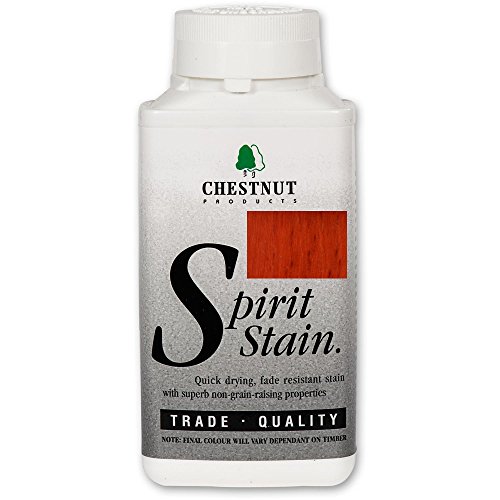
Spirit Stain Rainbow colors are methanol-based for quick drying and minimal grain raising, making them a potential option for guitar finishing where speed is important. The rainbow set delivers bold color potential across multiple hues, which can be useful for experimental guitar finishes, decorative inlays, or artistic top coats. It’s essential to manage solvent handling and odor considerations in typical workshop environments.
Buying Guide
- Purpose and compatibility: For guitars, choose dyes designed for wood and instrument finishes, prioritizing color clarity, grain retention, and compatibility with a clear topcoat (polyurethane, lacquer, or oil finishes).
- Formulation: Liquid dyes ease of use for coats and staining; dye powders offer strong concentration and long shelf life but require careful mixing with water or alcohol. Consider whether you want water-based (low odor) or alcohol-based (faster drying).
- Color range: Instruments often benefit from amber, mahogany, or warm browns, but purple, orange, or other accents can be used for decorative panels or artistic guitars. Plan color tests on scrap wood before applying to a guitar body.
- Drying time and grain behavior: Fast-drying dyes reduce project times but may raise the grain if not properly sealed. Use a grain filler or sealant before applying dye to ensure even penetration and minimal blotching.
- Safety and handling: Work in a well-ventilated area, especially with alcohol-based or methanol-based formulations. Wear protective gear and follow manufacturer guidance for mixing ratios and disposal.
- Application method: Dyes can be brushed, wiped, or sprayed. For necks and tight contours, consider controlled application to avoid pooling. Test on scrap wood to gauge shade and penetration.
- Coats and finishing: Most dyes require a protective topcoat to lock in color and protect against wear. Evaluate how a dye interacts with oils, shellac, lacquer, or polyurethane finishes and test compatibility.
- Longevity and outdoor use: Exterior or outdoor use dyes often require additional sealants. For guitars stored indoors, prioritize interior formulations that resist fading and maintain color integrity over time.
Leave a Reply